 Her Happy Kitchen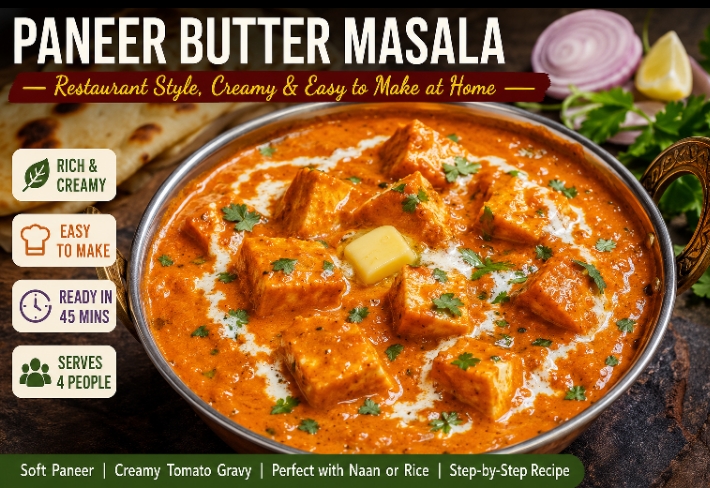
Introduction
Paneer Butter Masala is one of the most popular Indian paneer dishes loved by people of all ages. It is famous for its rich, creamy, buttery, and mildly spicy tomato-based gravy. Whether you visit a restaurant, order food online, or prepare a special meal at home, Paneer Butter Masala is often one of the first choices. It pairs beautifully with naan, butter roti, tandoori roti, laccha paratha, jeera rice, steamed rice, or pulao.
The best part about this recipe is that you do not need to be an expert cook to make it. With fresh paneer, ripe tomatoes, butter, cream, and a few common Indian spices, you can prepare a restaurant-style Paneer Butter Masala in your own kitchen. This recipe is perfect for family dinners, birthday celebrations, festivals, anniversaries, dinner parties, or even weekend lunches.
In this complete guide, you will learn everything about Paneer Butter Masala, including the ingredients, preparation tips, cooking methods, serving ideas, storage methods, nutritional information, and many expert tips that will help you make a delicious dish every single time.
What is Paneer Butter Masala?
Paneer Butter Masala is a North Indian curry made with soft cubes of paneer cooked in a smooth tomato and butter gravy. Fresh cream is added to make the curry rich, silky, and creamy. Unlike many spicy curries, Paneer Butter Masala has a mild sweetness that balances the tanginess of tomatoes and the warmth of Indian spices.
Many people confuse Paneer Butter Masala with Paneer Makhani. Although both recipes are similar, Paneer Butter Masala usually contains slightly more spices, onions (optional), and a richer gravy.
Its beautiful orange-red color, buttery aroma, and creamy texture make it one of the most loved vegetarian dishes across India and around the world.
Why You Will Love This Recipe
There are many reasons why this recipe is loved by millions.
- Rich and creamy restaurant-style taste
- Easy to prepare at home
- Uses simple pantry ingredients
- Perfect for festivals and parties
- Soft and juicy paneer pieces
- Mildly spicy and family-friendly
- Ready in less than one hour
- Pairs well with rice and Indian breads
- Can be customized according to your taste
- Suitable for both beginners and experienced cooks
Ingredients Overview
Before starting the recipe, let’s understand the importance of each ingredient.
Paneer
Paneer is the main ingredient. Always use fresh and soft paneer for the best results. Homemade paneer gives excellent texture, but good-quality store-bought paneer also works well.
Tomatoes
Fresh, ripe red tomatoes create the base of the gravy. They provide natural sweetness and beautiful color.
Butter
Butter gives the curry its signature rich flavor. Unsalted butter is generally preferred because it allows better control over the salt level.
Fresh Cream
Cream makes the gravy silky smooth and balances the acidity of tomatoes.
Cashews
Cashews make the gravy naturally creamy without adding too much cream.
Ginger and Garlic
These ingredients enhance the aroma and depth of flavor.
Spices
Common spices used include:
- Red chilli powder
- Turmeric powder
- Coriander powder
- Garam masala
- Kasuri methi
- Salt
Each spice adds its own unique flavor to the curry.
Ingredients List
For the Gravy
- 250 grams paneer
- 4 medium tomatoes
- 2 tablespoons butter
- 10–12 cashews
- 1 small onion (optional)
- 1 tablespoon ginger
- 5 garlic cloves
- 1 green chilli
- ½ teaspoon turmeric powder
- 1 teaspoon Kashmiri red chilli powder
- 1 teaspoon coriander powder
- ½ teaspoon garam masala
- 1 teaspoon kasuri methi
- ½ cup fresh cream
- 1 tablespoon oil
- Salt to taste
- Fresh coriander leaves
Choosing the Best Paneer
The quality of paneer directly affects the final taste.
Good paneer should be:
- Soft
- Fresh
- Milky in aroma
- White in color
- Easy to cut
- Moist but not watery
If your paneer feels hard, soak it in warm water for about 10–15 minutes before cooking. This simple trick makes it soft and juicy.
Which Tomatoes Are Best?
Always choose ripe red tomatoes because they are naturally sweet.
Avoid:
- Green tomatoes
- Overly sour tomatoes
- Unripe tomatoes
If the tomatoes are too sour, you may need to add a small amount of sugar or extra cream to balance the taste.
Importance of Butter
Butter is one of the key ingredients that gives this dish its signature flavor.
For the best taste:
- Use real butter instead of margarine.
- Add butter both while cooking the gravy and at the end for extra richness.
- Do not overheat the butter, as it may burn and change the flavor.
Why Cashews Are Added
Cashews naturally thicken the gravy and create a smooth, luxurious texture. They also reduce the need for excessive cream.
If you are allergic to cashews, you can substitute them with soaked almonds or melon seeds.
Preparing the Paneer
Cut the paneer into medium-sized cubes.
You can either:
- Use it directly for a soft texture, or
- Lightly sauté it in a little butter for 30–40 seconds if you prefer a firmer texture.
Avoid frying paneer for too long, as it may become chewy.
Preparing the Tomatoes
Wash the tomatoes thoroughly and cut them into large pieces.
Cook them with cashews, ginger, garlic, and the optional onion until soft. Once cooled, blend everything into a smooth puree. This puree becomes the heart of the rich, creamy gravy.
In the next part, we’ll start the cooking process and make the smooth restaurant-style gravy step by step.
Making the Perfect Tomato-Cashew Base
The secret behind restaurant-style Paneer Butter Masala is its smooth and creamy gravy. A silky tomato-cashew base gives the curry its rich texture and balanced flavor. Taking a little extra time with this step makes a big difference in the final dish.
Step 1: Cook the Ingredients
Heat 1 tablespoon of oil and 1 tablespoon of butter in a pan over medium heat.
Add:
- 1 small chopped onion (optional)
- 1 tablespoon chopped ginger
- 5 garlic cloves
- 1 green chilli
Cook for 2–3 minutes until the onions become soft. There is no need to brown them.
Now add:
- 4 chopped ripe tomatoes
- 10–12 cashews
Mix well and cook for 8–10 minutes. Stir occasionally so that the tomatoes cook evenly and become soft.
If the mixture starts sticking to the pan, add 2–3 tablespoons of water.
Step 2: Cool the Mixture
Switch off the heat and let the cooked mixture cool completely.
Do not blend it while it is very hot. Cooling helps make the puree smoother and is also safer when using a blender.
Step 3: Blend into a Smooth Puree
Transfer the cooled mixture to a blender.
Blend until completely smooth. If needed, add a little water to help the blending process.
For an extra-silky restaurant-style gravy, strain the puree through a fine sieve. This removes tomato skins and seeds, resulting in a velvety texture.
Cooking the Gravy
Now it’s time to transform the puree into a rich butter masala gravy.
Heat 1 tablespoon butter in the same pan.
Pour in the prepared tomato-cashew puree carefully.
Cook on medium flame for 8–10 minutes while stirring regularly.
As the puree cooks, it will become thicker, darker in color, and more aromatic. This step removes the raw tomato taste and develops a deep flavor.
Adding the Spices
Once the puree thickens slightly, add:
- ½ teaspoon turmeric powder
- 1 teaspoon Kashmiri red chilli powder
- 1 teaspoon coriander powder
- Salt to taste
Mix well so the spices are evenly combined.
Cook for another 3–4 minutes until the butter starts separating slightly from the sides of the pan. This indicates that the masala is cooked properly.
Why Kashmiri Red Chilli Powder?
Kashmiri red chilli powder is preferred because:
- It gives a beautiful bright red color.
- It has mild heat.
- It enhances the appearance without making the curry too spicy.
If you like a spicier curry, you can add a small amount of regular red chilli powder along with Kashmiri chilli powder.
Adding Water
Now pour in about 1 cup of warm water.
Mix thoroughly to create a smooth gravy.
Adjust the consistency according to your preference:
- Add a little more water for a thinner gravy.
- Cook longer if you prefer a thicker gravy.
Let the gravy simmer for 5–7 minutes on low flame.
Adding Fresh Cream
Reduce the heat to low.
Slowly pour in ½ cup of fresh cream while stirring continuously.
The cream blends with the tomato gravy to create the rich, smooth texture that Paneer Butter Masala is known for.
Avoid boiling the gravy vigorously after adding cream, as this may affect its texture.
Adding Kasuri Methi
Take 1 teaspoon of kasuri methi in your palms.
Crush it gently and sprinkle it into the gravy.
Kasuri methi gives the curry its signature restaurant-style aroma and slightly earthy flavor.
Although only a small amount is used, it makes a noticeable difference.
Adding Garam Masala
Finally, add ½ teaspoon garam masala.
Mix gently and cook for another 2 minutes.
Adding garam masala towards the end helps preserve its aroma and flavor.
Adding the Paneer
Now gently add the paneer cubes to the gravy.
Mix carefully so the paneer does not break.
Cook on low heat for 3–5 minutes.
Do not overcook the paneer, as it can become rubbery. The paneer only needs enough time to absorb the flavors of the gravy.
Final Touch
Add:
- 1 small cube of butter
- Chopped fresh coriander leaves
Mix gently and switch off the heat.
Cover the pan and let the curry rest for 5 minutes before serving. This resting time allows the flavors to blend beautifully.
Common Mistakes to Avoid
Many people make small mistakes that affect the final taste. Keep these points in mind:
- Do not use sour tomatoes.
- Avoid over-frying the paneer.
- Do not skip the cashews.
- Do not boil the gravy vigorously after adding cream.
- Always cook the tomato puree properly before adding water.
- Crush kasuri methi before adding it.
- Use fresh butter for the best flavor.
By following these tips, you’ll get a creamy, flavorful Paneer Butter Masala that tastes just like one served in a good restaurant.
Expert Tips for Making the Best Paneer Butter Masala
Anyone can cook Paneer Butter Masala, but a few expert techniques can make your dish taste just like it came from a restaurant. These small details improve the flavor, texture, and appearance of the curry.
1. Use Fresh Paneer
Fresh paneer is always the best choice because it is soft, creamy, and absorbs the gravy well. If you are using store-bought paneer, soak the cubes in warm water for 10–15 minutes before adding them to the curry. This simple trick makes the paneer softer and more tender.
2. Cook the Tomato Puree Properly
The tomato puree should be cooked until the raw smell disappears and the butter begins to separate slightly from the sides of the pan. This creates a rich, deep flavor and removes the sour taste of tomatoes.
3. Balance the Flavors
A good Paneer Butter Masala should have a balance of:
- Mild sweetness
- Light tanginess
- Creaminess
- Gentle spice
- Buttery richness
If your gravy tastes too sour, add a little cream or a pinch of sugar to balance the flavor.
4. Add Cream at the End
Fresh cream should always be added on low heat. High heat can cause the cream to split, affecting the smooth texture of the gravy.
5. Do Not Overcook the Paneer
Paneer only needs a few minutes in the hot gravy. Overcooking can make it chewy and rubbery.
Delicious Variations
One of the best things about Paneer Butter Masala is that it can be customized in many ways.
Restaurant Style Version
For a richer flavor:
- Add extra butter.
- Use full-fat fresh cream.
- Strain the tomato puree.
- Finish with a small cube of butter before serving.
This version is perfect for special occasions.
Homemade Version
If you prefer a lighter meal:
- Use less butter.
- Reduce the amount of cream.
- Skip the onion if desired.
- Use homemade paneer.
This version is healthier while still being delicious.
Spicy Version
If you enjoy spicy food:
- Add extra green chillies.
- Increase the regular red chilli powder slightly.
- Sprinkle a little black pepper.
Avoid making it too spicy, as the creamy gravy should remain well balanced.
Vegan Version
You can easily prepare a vegan version.
Replace:
- Paneer with tofu
- Butter with vegan butter or oil
- Fresh cream with coconut cream or cashew cream
The curry will still have a rich and creamy texture.
No Onion, No Garlic Version
Many families prepare Paneer Butter Masala without onion and garlic during festivals or religious occasions.
Simply use:
- Tomatoes
- Cashews
- Ginger
- Butter
- Cream
- Indian spices
The result is equally flavorful and aromatic.
Best Side Dishes
Paneer Butter Masala pairs beautifully with many Indian breads and rice dishes.
Indian Breads
- Butter Naan
- Garlic Naan
- Tandoori Roti
- Plain Naan
- Laccha Paratha
- Butter Roti
- Missi Roti
Rice Dishes
- Jeera Rice
- Steamed Basmati Rice
- Peas Pulao
- Veg Pulao
- Saffron Rice
Each combination offers a unique dining experience.
Garnishing Ideas
A beautiful presentation makes the dish even more appealing.
You can garnish with:
- Fresh cream swirl
- Butter cube
- Chopped coriander leaves
- Crushed kasuri methi
- Thin ginger juliennes
These simple garnishes give the curry a restaurant-style finish.
How to Adjust the Gravy
Everyone has different preferences for gravy consistency.
Thick Gravy
Cook the gravy for a few extra minutes until it reduces.
Medium Gravy
Follow the recipe measurements exactly.
Thin Gravy
Add a little warm water and simmer gently for a few minutes.
Always adjust the consistency before adding the paneer.
Storage Tips
Paneer Butter Masala stores well and tastes even better the next day because the flavors continue to develop.
- Cool the curry completely before storing.
- Transfer it to an airtight container.
- Refrigerate for up to 2 days.
If storing the gravy for longer, freeze the gravy separately and add fresh paneer after reheating.
Reheating Tips
Reheat the curry on low heat.
If the gravy becomes too thick:
- Add a few tablespoons of warm water or milk.
- Stir gently until smooth.
Avoid boiling the curry for a long time after reheating, as the paneer may become firm.
Is Paneer Butter Masala Healthy?
Paneer Butter Masala is a rich dish, but it also provides several nutrients.
Paneer is a good source of:
- Protein
- Calcium
- Phosphorus
Tomatoes provide:
- Vitamin C
- Lycopene
- Antioxidants
Cashews contain healthy fats and minerals.
Cream and butter increase the calorie content, so this dish is best enjoyed in moderation as part of a balanced diet.
Who Can Enjoy This Recipe?
Paneer Butter Masala is suitable for:
- Family dinners
- Weekend meals
- Birthday parties
- Festivals like Diwali and Holi
- Anniversary celebrations
- House parties
- Vegetarian dinner menus
Its mild flavor makes it a favorite among both children and adults.
Nutritional Information
Paneer Butter Masala is a rich and satisfying dish. While the exact nutrition depends on the ingredients and quantity used, the values below are approximate for one serving (about 250 g).
| Nutrient | Approximate Amount |
| Calories | 380–450 kcal |
| Protein | 14–18 g |
| Carbohydrates | 12–16 g |
| Fat | 30–35 g |
| Saturated Fat | 15–18 g |
| Fiber | 2–3 g |
| Calcium | 300–400 mg |
| Sodium | Depends on added salt |
These values are estimates and may vary depending on the brand of paneer, butter, and cream you use.
Health Benefits of Paneer Butter Masala
Although Paneer Butter Masala is known as a rich dish, it also offers several nutritional benefits when enjoyed in moderation.
1. Good Source of Protein
Paneer contains high-quality protein that supports muscle growth and helps keep you full for longer.
2. Rich in Calcium
Calcium is essential for healthy bones and teeth. Paneer is one of the best vegetarian sources of calcium.
3. Provides Healthy Fats
Butter, cream, and cashews contribute fats that enhance flavor and provide energy. Enjoy them as part of a balanced diet.
4. Contains Antioxidants
Tomatoes are naturally rich in antioxidants such as lycopene and vitamin C, which support overall health.
Can Paneer Butter Masala Be Made Ahead?
Yes. This dish is an excellent make-ahead recipe.
Many restaurants prepare the gravy in advance and add fresh paneer only when serving. This method saves time and keeps the paneer soft.
Prepare the Gravy in Advance
You can cook the tomato-cashew gravy a day before serving.
Store it in the refrigerator in an airtight container.
When you’re ready to serve:
- Reheat the gravy gently.
- Add cream.
- Add fresh paneer cubes.
- Simmer for 3–4 minutes.
- Garnish and serve hot.
Can You Freeze It?
Yes, but it is better to freeze only the gravy.
Why Freeze Only the Gravy?
Paneer may become slightly crumbly after freezing and thawing.
For the best texture:
- Freeze the gravy separately.
- Add fresh paneer after reheating.
The gravy can usually be frozen for up to one month in a freezer-safe container.
Best Occasions to Serve Paneer Butter Masala
This versatile dish is perfect for many occasions.
Festivals
- Diwali
- Holi
- Raksha Bandhan
- Navratri (without onion and garlic)
- Family celebrations
Parties
Paneer Butter Masala is one of the most popular vegetarian dishes at birthday parties, weddings, and dinner gatherings.
Weekend Meals
A relaxed weekend lunch or dinner becomes extra special with freshly made Paneer Butter Masala served with butter naan or jeera rice.
Tips for Beginners
If this is your first time making Paneer Butter Masala, follow these simple tips:
- Read the recipe completely before you begin.
- Measure all ingredients in advance.
- Use medium heat while cooking the gravy.
- Taste the gravy before adding the paneer.
- Adjust salt and spices gradually.
- Avoid rushing the cooking process.
These small habits help ensure a delicious result.
Frequently Asked Questions (FAQs)
Why Is My Gravy Too Sour?
This usually happens if the tomatoes are very sour.
To balance the flavor:
- Add a little extra cream.
- Add a small pinch of sugar.
- Use ripe red tomatoes next time.
Why Did the Cream Split?
Cream may split if it is added over high heat.
Always:
- Lower the heat before adding cream.
- Stir continuously.
- Avoid boiling the curry vigorously afterward.
Why Is My Paneer Hard?
Paneer becomes hard if:
- It is overcooked.
- It is fried for too long.
- It is old or dry.
Soaking store-bought paneer in warm water for 10–15 minutes before cooking helps keep it soft.
Can I Skip Cashews?
Yes, but the gravy may not be as creamy.
If needed, you can replace cashews with:
- Soaked almonds
- Melon seeds
- A little extra cream
Can Children Eat Paneer Butter Masala?
Yes. Since the curry is generally mild, it is suitable for children. Simply reduce the amount of chilli if preparing it for young kids.
Which Paneer Is Better: Homemade or Store-Bought?
Both work well.
- Homemade paneer offers a fresh, soft texture.
- Good-quality store-bought paneer is convenient and saves time.
Choose whichever suits your needs.
Cooking Timeline
Here is a simple estimate of the total cooking time:
- Preparation: 15–20 minutes
- Cooking the gravy: 20–25 minutes
- Final cooking with paneer: 5 minutes
- Total time: About 45–50 minutes
This makes Paneer Butter Masala a practical recipe for both everyday meals and special occasions.
In Part 5, we’ll explore ingredient substitutions, flavor variations, pairing ideas, and more advanced cooking tips to help you master this classic Indian recipe.
Ingredient Substitutions
Sometimes you may not have every ingredient available in your kitchen. The good news is that Paneer Butter Masala is flexible, and you can make a delicious version with a few simple substitutions.
Instead of Fresh Cream
If fresh cream is unavailable, you can use:
- Homemade malai (milk cream)
- Full-fat milk (for a lighter gravy)
- Cashew cream
- Cooking cream
Fresh cream gives the richest texture, but these alternatives also work well.
Instead of Cashews
Cashews help make the gravy creamy and slightly sweet.
You can replace them with:
- Soaked almonds
- Melon seeds (magaz)
- A small amount of cream
Each option changes the flavor slightly, but the gravy will still be smooth and delicious.
Instead of Butter
Butter gives the curry its signature taste.
If needed, you can use:
- Ghee
- Neutral cooking oil
- A combination of oil and butter
Using only oil will make the dish lighter, but the buttery flavor will be less pronounced.
Choosing the Right Paneer
The quality of paneer is one of the most important factors in this recipe.
A good paneer should be:
- Fresh
- Soft
- Moist
- Milky in flavor
- Easy to cut into neat cubes
Avoid paneer that is dry, crumbly, or has a sour smell.
Homemade Paneer vs Store-Bought Paneer
Both have their own advantages.
Homemade Paneer
Advantages:
- Fresh taste
- Soft texture
- No preservatives
- Easy to customize
Store-Bought Paneer
Advantages:
- Convenient
- Easily available
- Saves preparation time
- Consistent quality (if using a trusted brand)
For everyday cooking, either option works well.
How to Make the Gravy Extra Creamy
Restaurant-style Paneer Butter Masala has an incredibly smooth texture.
To achieve that at home:
- Blend the gravy until perfectly smooth.
- Strain the puree through a fine sieve.
- Cook the puree well before adding cream.
- Use fresh cream instead of low-fat cream.
- Add butter at the end for a glossy finish.
These simple techniques create a rich and luxurious gravy.
How to Balance the Flavors
A perfect Paneer Butter Masala has a balanced taste.
If the Curry Is Too Sour
- Add more cream.
- Add a small pinch of sugar.
- Simmer the gravy for a few extra minutes.
If the Curry Is Too Thick
- Add warm water.
- Stir gently until smooth.
- Simmer for 2–3 minutes.
If the Curry Is Too Thin
- Cook uncovered for a few more minutes.
- Allow excess water to evaporate naturally.
If the Curry Is Too Spicy
- Add extra cream.
- Add a little butter.
- Increase the amount of tomato gravy if available.
Best Breads to Serve with Paneer Butter Masala
This curry tastes wonderful with many Indian breads.
Some of the most popular choices are:
- Butter Naan
- Garlic Naan
- Plain Naan
- Tandoori Roti
- Butter Roti
- Laccha Paratha
- Kulcha
- Roomali Roti
Each bread pairs beautifully with the creamy gravy.
Best Rice Dishes
If you prefer rice, these combinations work perfectly:
- Steamed Basmati Rice
- Jeera Rice
- Peas Pulao
- Veg Pulao
- Saffron Rice
Rice absorbs the rich gravy, making every bite flavorful.
How to Serve Paneer Butter Masala
Presentation enhances the dining experience.
Serve the curry in a warm serving bowl.
Garnish with:
- A swirl of fresh cream
- Chopped coriander leaves
- Crushed kasuri methi
- Thin ginger strips
- A small cube of butter
Serve immediately while hot.
Common Cooking Mistakes
Avoid these mistakes for the best results:
1. Using Sour Tomatoes
Very sour tomatoes can make the gravy unpleasantly tangy.
2. Overcooking Paneer
Paneer becomes chewy if cooked for too long.
3. Adding Cream Too Early
Cream should always be added near the end of cooking.
4. Not Cooking the Puree Properly
The tomato puree should lose its raw smell before adding water.
5. Skipping Kasuri Methi
Even a small amount of kasuri methi gives the dish its signature restaurant-style aroma.
Pro Tips from Home Cooks
Many experienced home cooks follow these simple tricks:
- Use ripe red tomatoes for natural sweetness.
- Always crush kasuri methi before adding it.
- Let the curry rest for 5 minutes before serving.
- Use warm water instead of cold water while adjusting the gravy.
- Taste the gravy before adding paneer and adjust the seasoning if needed.
These small details make a noticeable difference in flavor and texture.
Restaurant Secrets for Perfect Paneer Butter Masala
Have you ever wondered why Paneer Butter Masala from a good restaurant tastes so rich and flavorful? The secret is not just extra butter or cream. Professional chefs follow a few simple techniques that make a big difference. Here are some of those secrets you can use at home.
1. Use Ripe Red Tomatoes
The color and taste of the gravy depend mainly on the tomatoes. Choose ripe, bright red tomatoes because they are naturally sweeter and less acidic. This helps create a vibrant orange-red gravy without adding artificial color.
2. Blend Until Completely Smooth
Restaurants blend the cooked tomato mixture for several minutes to get a silky texture. If your blender is powerful, the gravy will become smooth and creamy without any graininess.
3. Strain the Puree
After blending, pass the puree through a fine sieve. This removes tomato skins, seeds, and any coarse bits, resulting in a smooth gravy that looks and tastes like restaurant-style Paneer Butter Masala.
4. Simmer Slowly
Instead of cooking on high heat, allow the gravy to simmer gently. Slow cooking helps the spices blend well with the tomatoes, butter, and cream.
How to Get the Perfect Color
Many people think restaurants use food coloring, but you can achieve a beautiful color naturally.
Here are a few tips:
- Use ripe red tomatoes.
- Add Kashmiri red chilli powder for a bright color with mild heat.
- Cook the tomato puree well before adding cream.
- Avoid overcooking after adding cream, as this can dull the color.
The final gravy should have a rich orange-red appearance.
Making the Curry Rich Without Too Much Cream
If you want a creamy texture without using a lot of cream, try these ideas:
- Increase the number of cashews slightly.
- Blend the gravy until very smooth.
- Add a small amount of butter at the end.
- Use full-fat paneer for a naturally rich taste.
This gives a luxurious texture while keeping the recipe balanced.
Serving Suggestions
Paneer Butter Masala is a versatile dish that can be served in many ways.
For Lunch
Serve with:
- Jeera Rice
- Butter Roti
- Fresh salad
- Plain curd
This makes a satisfying and balanced meal.
For Dinner
Pair it with:
- Butter Naan
- Garlic Naan
- Laccha Paratha
- Mint chutney
- Sliced onions
It creates a restaurant-style dining experience at home.
For Parties
Serve Paneer Butter Masala in a large serving bowl with:
- Fresh cream drizzle
- Chopped coriander
- Butter on top
Keep naan or rice ready so guests can enjoy the curry while it is hot.
Meal Planning Tips
Paneer Butter Masala can be included in your weekly meal plan.
Weekend Special
Prepare the gravy in advance and refrigerate it. On the day of serving, simply heat the gravy, add fresh paneer, cream, and garnish.
Festival Menu
A complete vegetarian menu could include:
- Paneer Butter Masala
- Jeera Rice
- Butter Naan
- Dal Tadka
- Mixed Vegetable Salad
- Gulab Jamun
This combination is suitable for family gatherings and celebrations.
Storage Tips
If you have leftovers, store them properly to maintain freshness.
- Allow the curry to cool completely.
- Transfer it to an airtight container.
- Refrigerate for up to 2 days.
Avoid leaving the curry at room temperature for long periods.
Reheating Instructions
When reheating:
- Place the curry in a pan.
- Add 2–3 tablespoons of warm water or milk if the gravy has thickened.
- Heat gently over low flame.
- Stir occasionally until hot.
Do not boil for a long time, as the paneer may become firm.
Frequently Asked Questions
Can I Make Paneer Butter Masala Without Onion?
Yes. A no-onion version is very popular and is often prepared during festivals. The tomato-cashew gravy still provides a rich and delicious flavor.
Can I Add Vegetables?
While the classic recipe uses only paneer, you can add vegetables like peas or capsicum if you enjoy experimenting. However, traditional Paneer Butter Masala is made with paneer alone.
Is This Recipe Suitable for Beginners?
Absolutely. The steps are simple, and with a little patience, even a beginner can prepare a delicious restaurant-style Paneer Butter Masala at home.
Final Tips for Success
Before serving, remember these key points:
- Taste the gravy and adjust salt if needed.
- Add paneer only at the end.
- Let the curry rest for 5 minutes before serving.
- Garnish just before serving for the freshest look.
- Serve hot with your favorite Indian bread or rice.
By following these tips, you’ll enjoy a creamy, flavorful Paneer Butter Masala that is perfect for everyday meals as well as special occasions.
History of Paneer Butter Masala
Paneer Butter Masala is one of the most loved North Indian dishes and is enjoyed not only across India but also in many countries around the world. It became popular because of its rich tomato-based gravy, soft paneer cubes, and creamy texture.
Over time, restaurants created their own versions by adjusting the amount of butter, cream, and spices. Today, Paneer Butter Masala is a regular feature on restaurant menus, wedding feasts, festive meals, and family celebrations.
Its mild flavor makes it a favorite among both children and adults, especially those who prefer creamy curries over very spicy dishes.
Why Paneer Butter Masala Is So Popular
There are many reasons behind its popularity.
Rich and Creamy Texture
The smooth tomato gravy combined with butter, cream, and cashews creates a luxurious texture that appeals to almost everyone.
Mild Spice Level
Unlike many spicy curries, Paneer Butter Masala has a balanced flavor with gentle spices, making it suitable for people of all ages.
Easy to Pair
It tastes delicious with:
- Butter Naan
- Garlic Naan
- Tandoori Roti
- Jeera Rice
- Steamed Rice
- Veg Pulao
This versatility makes it a popular choice for both lunch and dinner.
Regional Variations
Different regions and restaurants prepare Paneer Butter Masala in slightly different ways.
Punjabi Style
Punjabi Paneer Butter Masala is:
- Rich in butter
- Creamy
- Slightly sweet
- Full of tomato flavor
This is the version most people recognize.
Restaurant Style
Restaurant versions often include:
- Extra butter
- More cream
- Smooth strained gravy
- Rich garnish with cream and coriander
These additions create the signature restaurant taste and presentation.
Homemade Style
Home cooks usually prepare a lighter version using:
- Less butter
- Less cream
- Fresh homemade paneer
- Simple pantry spices
Even with fewer ingredients, homemade Paneer Butter Masala can be incredibly flavorful.
Tips for Buying Ingredients
Using high-quality ingredients makes a noticeable difference.
Paneer
Choose paneer that is:
- Fresh
- Soft
- White in color
- Free from sour smell
Tomatoes
Select ripe, red tomatoes that feel slightly soft when pressed gently.
Butter
Good-quality butter provides the authentic flavor of this dish.
Cream
Fresh cream with a higher fat content gives the best texture.
Kasuri Methi
Always check the freshness of kasuri methi. Fresh dried fenugreek leaves have a pleasant aroma and green color.
Kitchen Equipment You’ll Need
Preparing Paneer Butter Masala does not require any special equipment.
Basic kitchen tools include:
- Frying pan or kadai
- Blender or mixer grinder
- Sharp knife
- Chopping board
- Mixing spoon
- Fine strainer (optional)
- Measuring spoons and cups
Having everything ready before cooking makes the process easier.
Time-Saving Tips
If you have a busy schedule, these ideas can save time.
Prepare the Gravy in Advance
Cook the tomato-cashew gravy a day before and store it in the refrigerator.
Cut the Paneer Earlier
Cube the paneer and keep it refrigerated until needed.
Measure the Spices
Place all spices in small bowls before you start cooking. This helps you cook more efficiently.
Mistakes That Reduce Flavor
Avoid these common mistakes:
Using Too Much Water
Adding excessive water can make the gravy thin and reduce its rich taste.
Adding Paneer Too Early
Paneer should be added near the end of cooking so it stays soft.
Not Tasting the Gravy
Always taste the gravy before serving and adjust:
- Salt
- Spice level
- Creaminess
A final taste check can make a big difference.
Presentation Tips
A beautifully presented dish is more appealing.
Here are some simple ideas:
- Serve in a white or light-colored bowl to highlight the vibrant gravy.
- Drizzle fresh cream in a spiral pattern.
- Sprinkle chopped coriander leaves.
- Place a small butter cube in the center.
- Garnish with thin ginger strips for a professional touch.
Serving for Different Occasions
Family Dinner
Serve with butter roti and salad for a comforting meal.
Weekend Lunch
Pair with jeera rice and cucumber raita for a complete menu.
Festivals
Include Paneer Butter Masala alongside dishes like dal, pulao, and Indian breads to create a festive vegetarian feast.
Dinner Parties
Keep the curry warm and serve with freshly made naan so guests can enjoy it at its best.
Final Thoughts
Paneer Butter Masala is a timeless recipe that combines simple ingredients with classic Indian flavors. By choosing fresh ingredients, following the cooking steps carefully, and paying attention to small details, you can prepare a rich and creamy curry that rivals your favorite restaurant.
Best Food Combinations with Paneer Butter Masala
Paneer Butter Masala is a versatile dish that pairs wonderfully with many Indian breads and rice dishes. Choosing the right side dish can make your meal even more enjoyable.
1. Butter Naan
Butter Naan is one of the most popular choices. Its soft texture and buttery flavor complement the rich gravy perfectly.
2. Garlic Naan
Garlic Naan adds a delicious aroma and slightly crispy texture that pairs beautifully with the creamy curry.
3. Tandoori Roti
If you prefer a lighter option, Tandoori Roti is an excellent choice. It allows the flavors of the curry to shine without adding too much richness.
4. Jeera Rice
The mild flavor of jeera rice balances the creamy gravy and creates a satisfying meal.
5. Steamed Basmati Rice
Simple steamed basmati rice is perfect if you want the focus to remain on the Paneer Butter Masala.
Side Dishes That Go Well
To create a complete Indian meal, serve Paneer Butter Masala with:
- Mixed vegetable salad
- Onion rings with lemon
- Cucumber raita
- Boondi raita
- Mint chutney
- Roasted papad
- Pickle (optional)
These additions provide freshness and variety.
Drinks to Serve
Refreshing drinks pair well with this rich curry.
Some popular options include:
- Sweet lassi
- Salted lassi
- Fresh lime soda
- Masala chaas
- Mango lassi (during summer)
These beverages help balance the richness of the meal.
Meal Ideas
Family Lunch
Menu:
- Paneer Butter Masala
- Jeera Rice
- Butter Roti
- Salad
- Raita
Weekend Dinner
Menu:
- Paneer Butter Masala
- Garlic Naan
- Veg Pulao
- Gulab Jamun
Festival Menu
Menu:
- Paneer Butter Masala
- Dal Makhani
- Butter Naan
- Jeera Rice
- Salad
- Raita
- Dessert
This combination is ideal for entertaining guests.
How to Store Leftovers
Proper storage helps maintain freshness and flavor.
In the Refrigerator
- Let the curry cool completely.
- Store it in a clean, airtight container.
- Consume within 2 days for the best taste.
In the Freezer
For longer storage:
- Freeze only the gravy if possible.
- Add fresh paneer after reheating.
This helps preserve the soft texture of the paneer.
Reheating Without Losing Flavor
When reheating Paneer Butter Masala:
- Place it in a saucepan.
- Add a few tablespoons of warm water or milk if the gravy has thickened.
- Heat gently over low flame.
- Stir occasionally.
- Serve immediately after heating.
Avoid repeated reheating, as it can affect both the flavor and texture.
Frequently Asked Questions
Can I Use Frozen Paneer?
Yes. Thaw the paneer completely and soak it in warm water for 10–15 minutes before adding it to the gravy.
Can I Prepare It Without Cream?
Yes. You can use cashew paste or homemade malai for a creamy texture. The flavor will be slightly different but still delicious.
Why Is My Gravy Not Smooth?
Possible reasons include:
- The tomato mixture was not blended well.
- The puree was not strained.
- The cashews were not cooked until soft.
Using a powerful blender and straining the puree can help achieve a silky texture.
How Can I Make It Less Spicy?
Reduce the amount of chilli powder and green chillies. Adding a little extra cream also helps mellow the heat.
Is Paneer Butter Masala Gluten-Free?
Yes. The curry itself is naturally gluten-free. If serving with bread, choose a gluten-free option if needed.
Expert Cooking Advice
Professional cooks recommend:
- Always use fresh ingredients.
- Simmer the gravy instead of boiling it rapidly.
- Taste and adjust seasoning before adding paneer.
- Garnish just before serving for the freshest appearance.
- Let the curry rest for 5 minutes after cooking to allow the flavors to develop.
These simple habits can noticeably improve the final result.
Final Thoughts
Paneer Butter Masala is a classic dish that combines creamy texture, balanced spices, and rich flavors. Whether you’re preparing it for a family dinner, a festive celebration, or a special weekend meal, following these tips will help you create a delicious restaurant-style curry at home.
Advanced Cooking Techniques for Better Flavor
Once you have mastered the basic recipe, a few advanced techniques can make your Paneer Butter Masala even more delicious.
Cook the Gravy Slowly
One of the biggest secrets of restaurant chefs is patience. Instead of cooking the gravy on high heat, let it simmer gently. Slow cooking allows the tomatoes, butter, cashews, and spices to blend together, creating a deeper and richer flavor.
Stir Regularly
While the gravy is simmering, stir it every 2–3 minutes. This prevents the masala from sticking to the bottom of the pan and ensures even cooking.
Use Warm Water
Whenever you need to adjust the consistency of the gravy, add warm water instead of cold water. This helps maintain the cooking temperature and keeps the gravy smooth.
Recipe Variations
Although the classic Paneer Butter Masala recipe is the most popular, you can try a few interesting variations.
Paneer Butter Masala with Peas
Add ½ cup of boiled green peas to the gravy before adding the paneer. The peas provide extra sweetness and color.
Paneer Butter Masala with Capsicum
Lightly sauté diced capsicum and mix it into the curry. This adds a slight crunch and fresh flavor.
Extra Creamy Version
For special occasions:
- Add an extra tablespoon of butter.
- Increase the cream slightly.
- Blend and strain the gravy for a silky texture.
This version closely resembles what is served in many restaurants.
Light Homemade Version
If you want a lighter meal:
- Reduce the butter.
- Use less cream.
- Increase the tomato content slightly.
The curry will still be flavorful while containing fewer calories.
Tips for Serving Guests
When serving Paneer Butter Masala to guests:
- Serve it hot.
- Garnish just before bringing it to the table.
- Keep extra naan or rice ready.
- Use a warm serving bowl to keep the curry hot for longer.
Presentation is just as important as taste.
How to Make the Dish Look Restaurant-Style
Simple presentation ideas:
- Swirl fresh cream over the top.
- Sprinkle finely chopped coriander leaves.
- Place a small butter cube in the center.
- Add thin ginger juliennes.
- Serve in a clean white bowl for an attractive contrast with the vibrant orange gravy.
These finishing touches create an elegant appearance.
Common Questions
Can I Prepare the Gravy One Day Earlier?
Yes. Preparing the gravy in advance is a great time-saving method.
Store the gravy in the refrigerator and add fresh paneer only while reheating before serving.
Can I Use Homemade Butter?
Yes. Homemade butter adds a fresh, rich flavor and works beautifully in this recipe.
Can I Double the Recipe?
Absolutely.
Simply double all the ingredients while maintaining the same cooking method. You may need a slightly larger pan and a few extra minutes for the gravy to simmer properly.
How Long Does It Take?
Approximate timings:
- Preparation: 20 minutes
- Cooking: 25 minutes
- Total: Around 45 minutes
This makes it suitable for both everyday meals and festive occasions.
Why This Recipe Is Loved Worldwide
Paneer Butter Masala has become popular far beyond India because:
- It has a creamy, mild flavor.
- It is suitable for vegetarians.
- It pairs well with many breads and rice dishes.
- It is easy to prepare at home.
- It is comforting and satisfying.
Many Indian restaurants around the world include it among their most ordered vegetarian dishes.
Final Cooking Checklist
Before serving, check the following:
- ✔ The gravy is smooth and creamy.
- ✔ The salt is balanced.
- ✔ The spice level matches your preference.
- ✔ The paneer is soft.
- ✔ The garnish is fresh.
- ✔ The curry is served hot.
Following this checklist helps ensure a consistently delicious result.
Conclusion
Paneer Butter Masala is much more than just a curry—it’s a classic Indian comfort food that brings together soft paneer, a rich tomato-based gravy, butter, cream, and aromatic spices. Whether you’re cooking for your family, hosting guests, or celebrating a festival, this recipe is always a crowd-pleaser.
With fresh ingredients, careful cooking, and the tips shared throughout this guide, you can confidently prepare a restaurant-style Paneer Butter Masala in your own kitchen.
Final Frequently Asked Questions (FAQs)
1. Can I make Paneer Butter Masala without cashews?
Yes. If you don’t have cashews, you can use soaked almonds, melon seeds (magaz), or a little extra fresh cream. The gravy will still be creamy, though the flavor may vary slightly.
2. Which cream is best for Paneer Butter Masala?
Fresh dairy cream with a higher fat content gives the richest texture. Homemade malai can also be used for a delicious homemade version.
3. Can I prepare this recipe for parties?
Absolutely! Paneer Butter Masala is one of the most popular vegetarian dishes for birthdays, anniversaries, festivals, and family gatherings. You can prepare the gravy in advance and add fresh paneer just before serving.
4. Why is my gravy too thick?
This usually happens if it has simmered for too long. Simply add a little warm water or milk and stir until the desired consistency is reached.
5. Why is my gravy too thin?
Continue simmering the gravy uncovered for a few more minutes. This allows excess moisture to evaporate naturally.
6. Can I use frozen paneer?
Yes. Thaw the paneer completely and soak it in warm water for 10–15 minutes before adding it to the gravy. This helps restore its soft texture.
7. Can I make it one day in advance?
Yes. In fact, the flavors often become even better after resting overnight. Store the gravy in the refrigerator and add fresh paneer while reheating.
Expert Recommendations
If you want your Paneer Butter Masala to taste like it was made in a restaurant, remember these important points:
- Always use fresh paneer.
- Select ripe red tomatoes.
- Blend the gravy until perfectly smooth.
- Strain the puree for a silky texture.
- Cook the tomato base thoroughly.
- Add cream only on low heat.
- Avoid overcooking the paneer.
- Crush kasuri methi before adding it.
- Let the curry rest for 5 minutes before serving.
- Garnish with cream, coriander, and a small cube of butter.
These simple techniques greatly improve both the taste and presentation.
Serving Inspiration
Here are a few complete meal ideas:
Classic North Indian Meal
- Paneer Butter Masala
- Butter Naan
- Jeera Rice
- Mixed Salad
- Boondi Raita
Family Dinner
- Paneer Butter Masala
- Tandoori Roti
- Cucumber Salad
- Sweet Lassi
Festive Menu
- Paneer Butter Masala
- Dal Makhani
- Veg Pulao
- Butter Naan
- Gulab Jamun
These combinations create a satisfying and memorable dining experience.
Quick Recipe Summary
Preparation Time: 20 minutes
Cooking Time: 25 minutes
Total Time: About 45 minutes
Servings: 4 people
Cuisine: North Indian
Course: Main Course
Difficulty Level: Easy to Moderate
Storage Summary
- Refrigerate leftovers in an airtight container for up to 2 days.
- Freeze only the gravy for longer storage.
- Reheat gently on low heat.
- Add a little warm water or milk if the gravy becomes too thick.
- Avoid reheating multiple times.
Why You Should Try This Recipe
This Paneer Butter Masala recipe is:
- Rich and creamy
- Easy to prepare
- Perfect for beginners
- Family-friendly
- Restaurant-style
- Great for festivals and parties
- Made with simple ingredients
- Full of authentic Indian flavors
Whether you serve it with naan, roti, or rice, it is sure to impress your family and guests.
Final Conclusion
Paneer Butter Masala is one of the most iconic vegetarian dishes in Indian cuisine. Its combination of soft paneer cubes, smooth tomato-cashew gravy, butter, fresh cream, and aromatic spices creates a comforting meal that is loved around the world.
By following the step-by-step instructions, expert tips, and practical advice shared throughout this guide, you can confidently prepare a delicious restaurant-style Paneer Butter Masala at home. Don’t be afraid to adjust the spice level, consistency, or richness to suit your family’s taste.
Cooking is all about practice and enjoyment. The more often you prepare this dish, the more confident you’ll become in balancing flavors and perfecting the creamy gravy.
We hope this complete guide helps you make the best Paneer Butter Masala for your next family meal or special occasion. If you enjoyed this recipe, be sure to explore more Indian recipes and continue experimenting with new flavors in your kitchen.
Happy Cooking!