 Her Happy Kitchen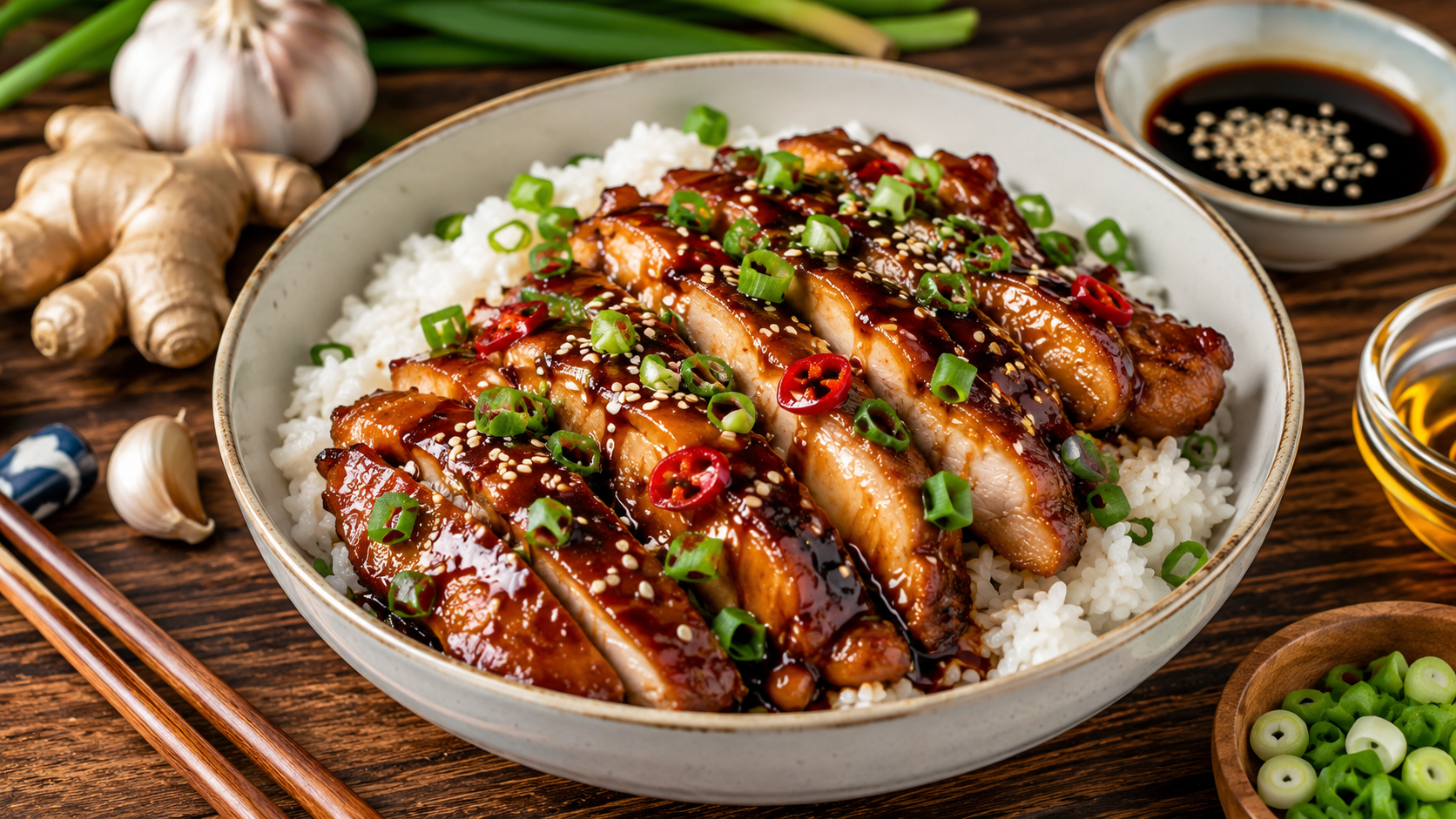
Introduction
If you’re looking for a delicious, easy-to-make meal that’s packed with sweet, savory, and umami-rich flavors, this Teriyaki Chicken Recipe is exactly what you need. Made with juicy chicken coated in a glossy homemade teriyaki sauce, this Japanese-inspired dish has become one of the most popular chicken recipes around the world. Whether you’re preparing a quick weeknight dinner, meal-prepping for the week, or serving guests, Teriyaki Chicken is a recipe that never fails to impress.
The magic of Teriyaki Chicken lies in its beautifully balanced sauce. A traditional teriyaki sauce combines soy sauce, mirin, sugar, and sake to create a rich glaze that caramelizes beautifully as it cooks. In this homemade version, you’ll learn how to make a flavorful sauce using simple ingredients that are easy to find while still delivering authentic taste.
One of the best things about Teriyaki Chicken is its versatility. Serve it over steamed rice, noodles, stir-fried vegetables, or a fresh salad, and you’ll have a complete meal that’s satisfying, nutritious, and full of flavor. It’s also a fantastic recipe for lunch boxes and meal prep because it reheats beautifully without losing its delicious texture.
Unlike many store-bought teriyaki sauces that contain preservatives and excessive sugar, making the sauce from scratch allows you to control every ingredient. You can adjust the sweetness, saltiness, and thickness to match your personal preferences while enjoying a fresher and healthier meal.
In this complete guide, you’ll learn everything you need to know about making perfect Teriyaki Chicken at home—from choosing the best chicken and preparing authentic teriyaki sauce to expert cooking techniques, serving ideas, recipe variations, storage methods, nutrition facts, and answers to the most frequently asked questions.
Once you’ve mastered this recipe, you’ll discover why homemade Teriyaki Chicken tastes even better than takeout.
What Is Teriyaki Chicken?
Teriyaki Chicken is a Japanese-inspired dish made by cooking chicken until tender and then coating it in a shiny, flavorful teriyaki glaze.
The word “teriyaki” comes from two Japanese words:
- Teri – meaning shine or glaze.
- Yaki – meaning grilled, broiled, or pan-cooked.
The glossy appearance comes from the sugar in the sauce, which caramelizes as it cooks, creating the signature sticky coating.
Although traditional Japanese teriyaki recipes are simple, modern versions often include garlic, ginger, and honey to create an even richer flavor that’s especially popular around the world.
Why You’ll Love This Recipe
There are many reasons why this Teriyaki Chicken recipe deserves a place in your weekly meal plan.
- Easy to prepare with simple ingredients.
- Ready in about 35 minutes.
- Better than restaurant takeout.
- Sweet, savory, and perfectly balanced.
- Family-friendly.
- Great for meal prep.
- High in protein.
- Pairs with rice, noodles, or vegetables.
- Beginner-friendly.
- Easily customizable.
Every bite is packed with tender chicken coated in a rich, glossy teriyaki glaze.
Ingredients You’ll Need
Using fresh ingredients makes a noticeable difference in both flavor and texture.
For the Chicken
- 2 pounds (900 g) boneless, skinless chicken thighs or breasts
- 2 tablespoons vegetable oil
- Salt, to taste
- Black pepper, to taste
Chicken thighs are recommended because they stay juicy during cooking, but chicken breasts work well if you prefer leaner meat.
For the Homemade Teriyaki Sauce
- ½ cup low-sodium soy sauce
- ¼ cup mirin
- 2 tablespoons brown sugar
- 2 tablespoons honey
- 2 cloves garlic, minced
- 1 tablespoon fresh ginger, grated
- 1 tablespoon rice vinegar
- 1 teaspoon sesame oil
Cornstarch Slurry
- 1 tablespoon cornstarch
- 2 tablespoons cold water
This slurry thickens the sauce into a beautiful glossy glaze.
Optional Garnishes
Finish the dish with:
- Sesame seeds
- Chopped green onions
- Thinly sliced fresh chili
- Fresh cilantro (optional)
These garnishes enhance both flavor and presentation.
Choosing the Best Chicken
The quality of the chicken greatly affects the final result.
Chicken Thighs
Advantages:
- Juicier
- More flavorful
- Harder to overcook
- Perfect for glazing
Chicken Breasts
Advantages:
- Leaner
- High in protein
- Lower in fat
If using chicken breasts, avoid overcooking to keep them tender.
Fresh Ingredients Make Better Sauce
The homemade teriyaki sauce is the star of this recipe.
Fresh garlic provides a stronger aroma.
Fresh ginger adds warmth and brightness.
Good-quality soy sauce creates deep umami flavor.
Honey adds natural sweetness while helping the sauce caramelize beautifully.
Fresh ingredients produce a sauce that’s far superior to bottled versions.
Essential Kitchen Equipment
You’ll need:
- Large skillet or frying pan
- Sharp knife
- Cutting board
- Small saucepan
- Mixing bowl
- Measuring cups
- Whisk
- Tongs
- Wooden spoon
A heavy-bottomed skillet works best because it distributes heat evenly.
Preparation Before Cooking
Before heating the pan:
- Dice or trim the chicken if necessary.
- Mince the garlic.
- Grate the ginger.
- Measure every sauce ingredient.
- Prepare the cornstarch slurry.
- Chop the garnishes.
Having everything ready makes cooking smooth and stress-free.
Why Homemade Teriyaki Sauce Is Better
Store-bought sauces are convenient, but homemade sauce offers many advantages.
You can:
- Control the sweetness.
- Reduce sodium.
- Use fresh garlic and ginger.
- Avoid artificial preservatives.
- Adjust thickness.
- Customize the flavor.
The result is a cleaner, fresher, and more authentic teriyaki sauce.
Helpful Tips Before You Start
For the best Teriyaki Chicken:
- Pat the chicken dry before cooking.
- Use medium-high heat.
- Don’t overcrowd the pan.
- Prepare the sauce before cooking.
- Add the sauce only after the chicken is cooked.
- Simmer gently until the glaze thickens.
- Garnish just before serving.
These simple techniques help create perfectly juicy chicken coated in a rich, glossy teriyaki glaze.
With the ingredients prepared and your kitchen ready, you’re all set to start cooking. In the next section, you’ll learn the complete step-by-step method for making restaurant-quality Teriyaki Chicken at home.
Step-by-Step Instructions – How to Make Perfect Teriyaki Chicken
Now that all your ingredients are prepared, it’s time to cook delicious homemade Teriyaki Chicken. Although the recipe is simple, following the correct order ensures juicy chicken and a thick, glossy teriyaki glaze that coats every piece beautifully.
The biggest secret is to cook the chicken until it’s golden brown before adding the sauce. This creates deep flavor and helps the glaze stick perfectly to the chicken.
Professional chefs also avoid boiling the sauce too aggressively. Instead, they let it simmer gently until it thickens naturally into a shiny glaze.
By following these detailed steps, you’ll achieve restaurant-quality Teriyaki Chicken every time.
Step 1: Prepare the Chicken
Remove any excess fat from the chicken thighs or chicken breasts.
Pat the chicken completely dry using paper towels.
Season both sides with:
- Salt
- Black pepper
Avoid adding too much salt because soy sauce already contains sodium.
Allow the chicken to rest for 10–15 minutes before cooking.
This helps the seasoning penetrate the meat while bringing the chicken closer to room temperature for even cooking.
Step 2: Prepare the Teriyaki Sauce
Before heating the pan, prepare the sauce.
In a mixing bowl combine:
- Soy sauce
- Mirin
- Brown sugar
- Honey
- Rice vinegar
- Sesame oil
- Fresh garlic
- Fresh grated ginger
Whisk until the sugar dissolves.
In a separate small bowl mix:
- 1 tablespoon cornstarch
- 2 tablespoons cold water
Keep this slurry nearby.
It will be added later to thicken the sauce.
Step 3: Heat the Pan
Place a large skillet over medium-high heat.
Add:
- 2 tablespoons vegetable oil
Allow the oil to become hot but not smoking.
A properly heated pan creates beautiful caramelization on the chicken.
Step 4: Cook the Chicken
Carefully place the chicken into the hot skillet.
Do not overcrowd the pan.
If necessary, cook in two batches.
Cook the first side for about 5–6 minutes without moving the chicken.
This develops a rich golden-brown crust.
Flip the chicken using tongs.
Cook the second side for another 5–6 minutes until fully cooked.
The internal temperature should reach 165°F (74°C).
Once cooked, transfer the chicken to a clean plate.
Allow it to rest while preparing the sauce.
Step 5: Cook the Garlic and Ginger
Reduce the heat to medium.
If necessary, add a teaspoon of oil.
Add:
- Minced garlic
- Fresh grated ginger
Cook for 30–40 seconds, stirring continuously.
Do not allow the garlic to burn.
Burnt garlic creates bitterness that affects the entire sauce.
Step 6: Add the Sauce
Pour the prepared teriyaki mixture into the skillet.
Use a wooden spoon to scrape the browned bits from the bottom of the pan.
These flavorful caramelized bits add incredible depth to the sauce.
Bring the sauce to a gentle simmer.
Allow it to cook for 2–3 minutes.
Step 7: Thicken the Sauce
Stir the cornstarch slurry once more.
Slowly pour it into the simmering sauce while whisking continuously.
Within 1–2 minutes, the sauce will begin to thicken.
The consistency should resemble warm honey.
If the sauce becomes too thick, add a splash of water.
If it’s too thin, allow it to simmer another minute.
Step 8: Return the Chicken
Place the cooked chicken back into the skillet.
Turn each piece several times so every surface becomes coated in the glossy teriyaki glaze.
Allow everything to simmer together for 3–4 minutes.
During this time, the chicken absorbs the sweet and savory flavors while the sauce becomes even richer.
Step 9: Slice the Chicken
Transfer the glazed chicken to a cutting board.
Allow it to rest for about 5 minutes.
Slice it into thin strips across the grain.
Cutting against the grain keeps the chicken tender and easier to eat.
Step 10: Coat Again
Return the sliced chicken to the skillet.
Gently toss it once more in the remaining sauce.
Every slice should be beautifully coated with the glossy teriyaki glaze.
Step 11: Garnish
Finish with:
- Toasted sesame seeds
- Chopped green onions
- Thinly sliced red chili (optional)
These garnishes add freshness, texture, and restaurant-quality presentation.
Step 12: Serve Immediately
Serve Teriyaki Chicken while hot.
Popular serving options include:
- Steamed jasmine rice
- White rice
- Brown rice
- Fried rice
- Stir-fried noodles
- Udon noodles
- Steamed broccoli
- Bok choy
- Stir-fried vegetables
The extra teriyaki sauce is perfect for spooning over rice.
How to Know When the Chicken Is Perfectly Cooked
The safest method is using a meat thermometer.
The thickest part of the chicken should reach:
165°F (74°C)
If you don’t have a thermometer:
- The juices should run clear.
- The center should no longer be pink.
- The meat should feel firm but still juicy.
Avoid overcooking, as it can dry out the chicken.
Professional Chef Tips
Restaurant chefs follow several simple techniques that make Teriyaki Chicken exceptional.
They always:
- Pat the chicken dry before cooking.
- Cook over medium-high heat.
- Brown the chicken before adding sauce.
- Use fresh garlic and ginger.
- Simmer the sauce gently.
- Add the cornstarch slurry gradually.
- Let the glaze coat every piece evenly.
- Garnish just before serving.
These techniques create Teriyaki Chicken that’s tender, juicy, glossy, and packed with authentic sweet and savory flavor.
The Ultimate Guide to Homemade Teriyaki Sauce, Ingredient Tips, and Flavor Secrets
One of the most important parts of Teriyaki Chicken is the sauce. In fact, the sauce is what gives this famous Japanese-inspired dish its signature sweet, savory, glossy, and irresistible flavor. While many people buy bottled teriyaki sauce from the grocery store, making it from scratch produces a fresher, richer, and more authentic result.
Homemade teriyaki sauce requires only a handful of simple ingredients, yet every ingredient has a specific purpose. When combined correctly, they create a perfectly balanced glaze that coats the chicken beautifully while adding incredible depth of flavor.
In this section, you’ll learn everything about homemade teriyaki sauce, how each ingredient works, common substitutions, ingredient selection tips, and professional chef secrets that make restaurant-quality Teriyaki Chicken possible.
What Is Teriyaki Sauce?
Teriyaki sauce is a Japanese-inspired cooking sauce traditionally made from a combination of:
- Soy sauce
- Mirin
- Sake
- Sugar
As the sauce cooks, the sugar caramelizes while the soy sauce develops deep umami flavor.
The result is a glossy glaze that sticks beautifully to grilled, pan-fried, or roasted foods.
Modern homemade versions often include:
- Honey
- Garlic
- Ginger
- Sesame oil
- Rice vinegar
These ingredients add extra layers of flavor while remaining true to the spirit of traditional teriyaki cooking.
The Four Essential Ingredients
Every great teriyaki sauce begins with four basic ingredients.
Soy Sauce
Soy sauce provides:
- Saltiness
- Umami flavor
- Rich color
Choose:
- Low-sodium soy sauce
This allows better control over the seasoning.
High-quality soy sauce creates a smoother and more balanced flavor.
Mirin
Mirin is a lightly sweet Japanese cooking wine.
It contributes:
- Mild sweetness
- Balanced acidity
- Beautiful shine
If mirin isn’t available, substitute with:
- Rice vinegar
- Plus a small amount of sugar
While not identical, this combination produces a similar balance.
Sugar
Sugar helps create:
- Sweetness
- Glossy appearance
- Caramelization
Popular options include:
- Brown sugar
- White sugar
- Cane sugar
Brown sugar adds slightly deeper flavor because of its molasses content.
Honey
Many homemade recipes include honey.
Honey provides:
- Natural sweetness
- Better glaze
- Rich aroma
It also helps the sauce cling to the chicken.
Fresh Garlic
Garlic adds bold aroma and savory depth.
Fresh garlic is always preferred over garlic powder.
Use:
- Fresh minced garlic
Cook only briefly.
Burnt garlic creates bitterness that affects the entire sauce.
Fresh Ginger
Fresh ginger is another essential ingredient.
It adds:
- Warm spice
- Bright freshness
- Traditional Asian flavor
Freshly grated ginger produces much stronger flavor than dried ginger powder.
Rice Vinegar
Rice vinegar balances the sweetness.
It contributes:
- Mild acidity
- Bright flavor
- Better balance
Without a little acidity, the sauce may taste overly sweet.
Sesame Oil
Only a small amount is needed.
Sesame oil provides:
- Nutty aroma
- Rich finish
- Authentic flavor
Always add sesame oil near the end of cooking.
High heat reduces its aroma.
Cornstarch Slurry
A slurry is simply:
- Cornstarch
- Mixed with cold water
This thickens the sauce into the classic glossy teriyaki glaze.
Never add dry cornstarch directly into hot liquid.
Always dissolve it first.
Why Homemade Sauce Is Better
Homemade teriyaki sauce offers many advantages over bottled versions.
You can:
- Reduce sodium.
- Control sweetness.
- Use fresh ingredients.
- Avoid preservatives.
- Adjust thickness.
- Customize flavor.
The taste is fresher, cleaner, and far more balanced.
Best Soy Sauce to Use
Not all soy sauces taste the same.
Good options include:
- Low-sodium soy sauce
- Japanese soy sauce
- Naturally brewed soy sauce
Avoid extremely salty varieties unless reducing the overall quantity.
Choosing the Right Sweetener
Each sweetener produces a slightly different flavor.
Brown Sugar
Creates:
- Rich flavor
- Darker glaze
- Slight caramel notes
White Sugar
Produces:
- Cleaner sweetness
- Lighter glaze
Honey
Provides:
- Natural sweetness
- Smooth texture
- Floral aroma
Many cooks combine honey and brown sugar for the best balance.
Optional Flavor Enhancers
If you’d like to customize your teriyaki sauce, consider adding:
- Crushed red pepper flakes
- Orange zest
- Pineapple juice
- Fresh lime juice
- Chili garlic sauce
- Black pepper
These ingredients create exciting variations while preserving the classic teriyaki flavor.
How Thick Should the Sauce Be?
Perfect teriyaki sauce should:
- Coat the back of a spoon.
- Flow slowly.
- Stick to the chicken.
- Have a glossy appearance.
If it’s too thin:
- Simmer longer.
If it’s too thick:
- Add a small splash of water.
Professional Chef Secrets
Restaurant chefs use several techniques to produce perfect teriyaki sauce.
They:
- Use fresh garlic and ginger.
- Simmer gently instead of boiling.
- Whisk continuously while thickening.
- Add cornstarch gradually.
- Taste before serving.
- Balance sweetness with acidity.
- Finish with sesame oil.
These small details produce a silky, glossy, restaurant-quality glaze.
Common Sauce Mistakes
Avoid these mistakes:
- Burning the garlic.
- Boiling the sauce too aggressively.
- Adding too much soy sauce.
- Using too much sugar.
- Adding cornstarch directly.
- Forgetting to whisk.
- Over-thickening the sauce.
Correcting these mistakes creates a smooth, flavorful teriyaki glaze every time.
Why This Sauce Works
This homemade teriyaki sauce succeeds because every ingredient contributes something important.
- Soy sauce provides umami.
- Mirin adds sweetness.
- Honey creates shine.
- Garlic builds aroma.
- Ginger adds freshness.
- Rice vinegar balances the flavor.
- Sesame oil finishes the sauce.
- Cornstarch creates the perfect glaze.
When combined correctly, these ingredients produce a rich, glossy sauce that transforms simple chicken into a restaurant-quality meal.
Best Side Dishes, Serving Ideas, Recipe Variations, Storage, and Reheating Guide
Teriyaki Chicken is one of the most versatile meals you can prepare. While it’s delicious served simply over steamed rice, there are countless ways to enjoy it. Whether you’re preparing a family dinner, meal-prepping for the week, or creating a restaurant-style Japanese-inspired meal, the right side dishes and serving ideas can make this recipe even more enjoyable.
In this section, you’ll learn the best foods to serve with Teriyaki Chicken, popular recipe variations, proper storage methods, freezing tips, and the best ways to reheat leftovers while keeping the chicken juicy and flavorful.
Best Rice to Serve with Teriyaki Chicken
Rice is the most traditional accompaniment because it absorbs the rich teriyaki sauce beautifully.
Excellent options include:
- Steamed white rice
- Jasmine rice
- Japanese short-grain rice
- Brown rice
- Garlic rice
- Coconut rice
Soft, fluffy rice balances the sweet and savory flavors of the chicken perfectly.
For a healthier meal, brown rice is an excellent choice because it contains more fiber.
Noodle Pairings
If you prefer noodles instead of rice, Teriyaki Chicken pairs wonderfully with:
- Udon noodles
- Soba noodles
- Ramen noodles
- Rice noodles
- Egg noodles
- Stir-fried noodles
Toss the noodles with a little extra teriyaki sauce for even more flavor.
Best Vegetables to Serve
Adding vegetables creates a colorful and balanced meal.
Popular choices include:
- Broccoli
- Bok choy
- Carrots
- Bell peppers
- Snow peas
- Green beans
- Mushrooms
- Baby corn
- Zucchini
- Cabbage
Lightly stir-fry or steam the vegetables so they remain crisp and vibrant.
Fresh Salads
A light salad provides a refreshing contrast to the rich teriyaki glaze.
Try a salad made with:
- Mixed greens
- Cucumbers
- Shredded carrots
- Radishes
- Cherry tomatoes
- Sesame dressing
The fresh vegetables balance the sweetness of the sauce.
Best Appetizers
Complete your meal with appetizers such as:
- Vegetable spring rolls
- Chicken gyoza
- Dumplings
- Edamame
- Miso soup
- Seaweed salad
- Tempura vegetables
These dishes create a restaurant-style Japanese-inspired dinner at home.
Recipe Variations
One of the best things about Teriyaki Chicken is how easy it is to customize.
Spicy Teriyaki Chicken
Add extra heat with:
- Sriracha
- Chili garlic sauce
- Crushed red pepper flakes
- Fresh chopped chilies
This version is perfect for anyone who enjoys spicy food.
Pineapple Teriyaki Chicken
Add:
- Fresh pineapple chunks
The pineapple adds natural sweetness and a tropical twist that pairs beautifully with the teriyaki glaze.
Teriyaki Chicken Stir-Fry
Include extra vegetables such as:
- Broccoli
- Bell peppers
- Mushrooms
- Carrots
Everything cooks together in one skillet for an easy one-pan dinner.
Teriyaki Chicken Skewers
Cut the chicken into cubes and thread onto skewers.
Grill while brushing with homemade teriyaki sauce.
Perfect for:
- Summer barbecues
- Parties
- Outdoor gatherings
Teriyaki Chicken Rice Bowl
Layer:
- Steamed rice
- Teriyaki chicken
- Avocado
- Cucumber
- Edamame
- Carrots
Finish with sesame seeds and green onions.
This makes an attractive, nutritious meal.
Meal Prep Tips
Teriyaki Chicken is excellent for weekly meal preparation.
Cook a large batch and divide it into individual containers with:
- Rice
- Vegetables
- Chicken
Store in the refrigerator for quick lunches or dinners.
The flavors become even richer the next day.
How to Store Leftovers
Allow the chicken to cool completely before storing.
Transfer to an airtight container.
Refrigerate for:
Up to 4 days
Store rice separately if possible to maintain the best texture.
Can You Freeze Teriyaki Chicken?
Yes.
Teriyaki Chicken freezes very well.
To freeze:
- Cool completely.
- Divide into meal-sized portions.
- Store in freezer-safe bags or containers.
- Label with the date.
Freeze for:
Up to 3 months
Thaw overnight in the refrigerator before reheating.
Best Ways to Reheat
Stovetop
Place the chicken in a skillet over medium heat.
Add a small splash of water.
Cook for 4–5 minutes, stirring occasionally.
This method keeps the chicken juicy while loosening the sauce.
Microwave
Place the chicken into a microwave-safe bowl.
Cover loosely.
Heat for:
- 1 minute
Stir.
Continue heating in 30-second intervals until hot.
Avoid overheating to prevent the chicken from drying out.
Common Mistakes to Avoid
Even simple recipes can go wrong if basic techniques are overlooked.
Avoid:
- Overcooking the chicken.
- Using high heat after adding the sauce.
- Burning the garlic.
- Making the sauce too thick.
- Skipping fresh ginger.
- Adding too much soy sauce.
- Forgetting to let the chicken rest before slicing.
Correcting these small mistakes greatly improves both flavor and texture.
Restaurant Presentation Tips
Presentation makes the meal look even more appealing.
Arrange the chicken neatly over rice.
Drizzle extra teriyaki sauce on top.
Garnish with:
- Toasted sesame seeds
- Chopped green onions
- Thinly sliced red chili
- Lime wedges (optional)
Serve on a clean white plate or in a Japanese-style bowl for a professional look.
Professional Chef Tips
Restaurant chefs use several techniques that consistently produce outstanding Teriyaki Chicken.
They always:
- Use chicken thighs for maximum juiciness.
- Cook the chicken before adding the sauce.
- Simmer the glaze gently.
- Slice the chicken after resting.
- Add sesame oil at the end.
- Garnish immediately before serving.
- Taste the sauce before finishing.
These simple techniques transform a basic recipe into a restaurant-quality meal.
By following these serving suggestions, storage methods, and professional tips, you’ll be able to enjoy delicious homemade Teriyaki Chicken anytime while keeping every serving just as flavorful and satisfying as the first.
Nutrition Facts, Health Benefits, Ingredient Guide, and Frequently Asked Questions
Teriyaki Chicken is famous for its rich sweet-and-savory flavor, but it can also be a nutritious meal when prepared at home using fresh ingredients and a balanced homemade sauce. Unlike many restaurant versions that may contain excessive sugar, sodium, and oil, this homemade recipe allows you to control every ingredient while creating a healthier and equally delicious meal.
In this section, you’ll learn about the nutritional value of Teriyaki Chicken, its health benefits, ways to make it healthier, and answers to the most frequently asked questions.
Approximate Nutrition Facts (Per Serving)
The following values are based on one serving of homemade Teriyaki Chicken prepared with boneless skinless chicken thighs and homemade sauce.
- Calories: 380–480 kcal
- Protein: 30–36 grams
- Carbohydrates: 18–25 grams
- Fat: 14–18 grams
- Fiber: Less than 2 grams
- Sugar: 10–14 grams
- Sodium: Depends on the soy sauce used
- Iron: 10–15% Daily Value
- Calcium: 2–5% Daily Value
- Potassium: 8–12% Daily Value
The exact nutrition depends on the ingredients and portion sizes used.
Health Benefits
When prepared with fresh ingredients, Teriyaki Chicken offers several nutritional benefits.
Excellent Source of Protein
Chicken provides high-quality protein that helps:
- Build muscle.
- Repair body tissues.
- Support healthy bones.
- Keep you feeling full longer.
- Maintain healthy metabolism.
Protein is especially important for active individuals and growing children.
Provides Essential Vitamins
Chicken naturally contains:
- Vitamin B3 (Niacin)
- Vitamin B6
- Vitamin B12
These vitamins support:
- Energy production
- Brain function
- Healthy nervous system
- Red blood cell formation
Rich in Minerals
Chicken also provides important minerals such as:
- Phosphorus
- Selenium
- Zinc
- Potassium
These nutrients contribute to healthy bones, immunity, and overall body function.
Fresh Garlic Benefits
Fresh garlic contributes more than flavor.
It also contains natural plant compounds that may support:
- Heart health
- Immune function
- Healthy digestion
Using fresh garlic instead of powdered garlic produces better flavor and nutritional value.
Fresh Ginger Benefits
Fresh ginger is widely appreciated for its natural properties.
It may help support:
- Digestion
- Healthy circulation
- Comfort after meals
Its fresh flavor also balances the sweetness of the teriyaki sauce beautifully.
How to Make Teriyaki Chicken Healthier
There are several easy ways to create a lighter version.
Choose:
- Chicken breast instead of thighs.
- Low-sodium soy sauce.
- Less brown sugar.
- More vegetables.
- Brown rice instead of white rice.
You can also reduce the amount of honey without sacrificing too much flavor.
Best Vegetables to Add
Increasing vegetables makes the meal more nutritious.
Excellent choices include:
- Broccoli
- Bell peppers
- Mushrooms
- Bok choy
- Carrots
- Snow peas
- Green beans
- Spinach
These vegetables add vitamins, minerals, antioxidants, and fiber.
Homemade vs. Store-Bought Teriyaki Sauce
Homemade sauce offers several advantages.
You can:
- Reduce sugar.
- Lower sodium.
- Avoid preservatives.
- Use fresh garlic.
- Use fresh ginger.
- Control the consistency.
- Adjust sweetness.
Fresh homemade sauce usually tastes brighter and more balanced than bottled versions.
Frequently Asked Questions
Can I Use Chicken Breast Instead of Chicken Thighs?
Yes.
Chicken breast creates a leaner meal.
Be careful not to overcook it, as it becomes dry more quickly than chicken thighs.
Can I Grill Teriyaki Chicken?
Absolutely.
Brush the chicken with teriyaki sauce during the last few minutes of grilling.
Applying the sauce too early may cause it to burn because of its sugar content.
Can I Bake Teriyaki Chicken?
Yes.
Bake at:
400°F (200°C)
for approximately 20–25 minutes, depending on thickness.
Brush with additional sauce during the final few minutes.
Can I Air Fry Teriyaki Chicken?
Yes.
Cook at:
380°F (193°C)
for approximately 15–18 minutes.
Brush with the sauce after cooking, then return it to the air fryer for 2–3 minutes so the glaze caramelizes.
Can I Prepare the Sauce in Advance?
Definitely.
Homemade teriyaki sauce keeps well in the refrigerator for:
Up to one week
Store it in an airtight glass jar.
Shake well before using.
Why Didn’t My Sauce Thicken?
Possible reasons include:
- Not enough cornstarch.
- Sauce wasn’t simmered long enough.
- Cornstarch wasn’t mixed with cold water first.
Always prepare a proper slurry before adding it to the hot sauce.
Can I Freeze the Sauce?
Yes.
Teriyaki sauce freezes well.
Store in freezer-safe containers for:
Up to 3 months
Thaw overnight before reheating.
Why Is My Chicken Dry?
Dry chicken usually happens because of:
- Overcooking.
- High heat.
- Using very lean chicken breasts.
Using chicken thighs and checking the internal temperature helps prevent this problem.
Can I Make It Gluten-Free?
Yes.
Simply replace regular soy sauce with:
- Gluten-free tamari
All other cooking steps remain the same.
Professional Chef Advice
Restaurant chefs follow several important rules.
They:
- Always use fresh garlic and ginger.
- Cook the chicken separately before glazing.
- Simmer the sauce instead of boiling.
- Rest the chicken before slicing.
- Garnish immediately before serving.
These techniques create tender, juicy chicken coated in a smooth, glossy teriyaki glaze.
Final Thoughts
Homemade Teriyaki Chicken is one of the easiest and most rewarding Japanese-inspired meals you can prepare. It combines tender chicken, a rich homemade glaze, and simple ingredients into a dish that’s both comforting and impressive. Whether served over rice, noodles, or vegetables, this recipe offers incredible flavor while allowing you to control the ingredients for a healthier homemade meal.
With a little practice and the techniques shared throughout this guide, you’ll be able to prepare Teriyaki Chicken that’s every bit as delicious as your favorite restaurant version.
Recipe Variations, Meal Prep Guide, Storage Tips, Reheating Methods, and Common Mistakes to Avoid
One of the reasons Teriyaki Chicken has become a favorite around the world is its incredible versatility. Once you’ve mastered the classic recipe, you can easily customize it to create new flavors and meals. Whether you prefer grilled chicken, spicy dishes, healthier options, or extra vegetables, Teriyaki Chicken can be adapted to suit every taste.
This recipe is also perfect for meal prep because it stores and reheats exceptionally well. The teriyaki glaze continues to soak into the chicken overnight, making leftovers even more flavorful the next day.
In this section, you’ll learn the best recipe variations, meal prep strategies, storage methods, reheating techniques, and professional tips for consistently delicious results.
Classic Teriyaki Chicken
The traditional version remains the most popular.
It includes:
- Boneless chicken thighs
- Homemade teriyaki sauce
- Sesame seeds
- Green onions
Serve with steamed Japanese rice for an authentic meal.
Spicy Teriyaki Chicken
If you enjoy spicy food, add extra heat by including:
- Sriracha
- Chili garlic sauce
- Red chili flakes
- Fresh chopped chilies
- Gochujang (optional)
The sweetness of the teriyaki sauce balances the spice beautifully.
Honey Teriyaki Chicken
For a sweeter glaze, increase the honey slightly.
The result is:
- Extra glossy sauce
- Rich caramelization
- Slightly sweeter flavor
This variation is especially popular with children.
Garlic Teriyaki Chicken
Garlic lovers can double the amount of fresh garlic.
Use:
- 6–8 fresh garlic cloves
Cook gently until fragrant before adding the sauce.
This creates a deeper, richer garlic flavor.
Ginger Teriyaki Chicken
Fresh ginger gives teriyaki sauce its signature warmth.
Increase the ginger for:
- Brighter flavor
- More freshness
- Slightly spicy aroma
Fresh ginger works much better than dried ginger powder.
Pineapple Teriyaki Chicken
Add:
- Fresh pineapple chunks
The natural sweetness pairs perfectly with the savory glaze.
This tropical version is excellent during summer.
Teriyaki Chicken Stir-Fry
Transform the recipe into a complete one-pan meal by adding vegetables.
Popular choices include:
- Broccoli
- Carrots
- Mushrooms
- Bell peppers
- Snow peas
- Baby corn
- Bok choy
Cook the vegetables until slightly crisp before adding the sauce.
Teriyaki Chicken Rice Bowl
One of the easiest serving ideas.
Layer:
- Steamed rice
- Sliced teriyaki chicken
- Broccoli
- Carrots
- Avocado
- Edamame
- Cucumbers
Finish with:
- Sesame seeds
- Green onions
- Extra teriyaki sauce
This creates a colorful, balanced meal.
Teriyaki Chicken Noodles
Replace rice with:
- Udon noodles
- Ramen noodles
- Rice noodles
- Egg noodles
Toss everything together with extra teriyaki sauce for a comforting noodle dish.
Grilled Teriyaki Chicken
Instead of cooking on the stovetop:
- Grill the chicken over medium heat.
Brush with teriyaki sauce during the final few minutes.
This creates beautiful caramelization while preventing the sugars from burning.
Air Fryer Teriyaki Chicken
The air fryer makes this recipe quick and convenient.
Cook at:
380°F (193°C)
for approximately:
15–18 minutes
Brush with sauce near the end and cook another 2–3 minutes.
Meal Prep Guide
Teriyaki Chicken is one of the best meal-prep recipes.
Prepare:
- Chicken
- Rice
- Vegetables
Divide into individual containers.
Store in the refrigerator for quick lunches or dinners.
Many people find the flavor even better the following day.
How to Store Leftovers
Allow the chicken to cool completely.
Store in airtight containers.
Refrigerate for:
Up to 4 days
Keep rice separate whenever possible to maintain the best texture.
Can You Freeze Teriyaki Chicken?
Yes.
Teriyaki Chicken freezes extremely well.
To freeze:
- Cool completely.
- Portion into freezer-safe containers.
- Label with the date.
Freeze for:
Up to 3 months
Thaw overnight in the refrigerator before reheating.
Best Reheating Methods
Stovetop
Heat a skillet over medium heat.
Add:
- A splash of water
Cook for:
4–5 minutes
Stir occasionally until heated through.
Microwave
Place the chicken into a microwave-safe dish.
Cover loosely.
Heat for:
- 1 minute
Stir.
Continue heating in 30-second intervals until hot.
Avoid overheating to keep the chicken juicy.
Common Mistakes to Avoid
Many home cooks accidentally reduce the quality of their Teriyaki Chicken.
Avoid:
- Overcooking the chicken.
- Burning the garlic.
- Using too much soy sauce.
- Making the sauce too thick.
- Skipping fresh ginger.
- Boiling the glaze aggressively.
- Adding sesame oil too early.
Correcting these mistakes greatly improves the final dish.
Restaurant Presentation Tips
Professional presentation makes homemade food even more enjoyable.
Serve Teriyaki Chicken:
- Over fluffy rice.
- With vegetables neatly arranged beside it.
- Drizzle extra sauce over the chicken.
- Sprinkle toasted sesame seeds.
- Garnish with chopped green onions.
A few simple garnishes instantly create a restaurant-style appearance.
Professional Chef Secrets
Restaurant chefs consistently produce outstanding Teriyaki Chicken because they follow a few simple rules.
They:
- Use chicken thighs for maximum juiciness.
- Brown the chicken well before glazing.
- Simmer the sauce gently.
- Slice the chicken after resting.
- Taste the sauce before serving.
- Finish with sesame oil.
- Garnish immediately before serving.
These techniques ensure juicy chicken with a perfectly glossy, flavorful teriyaki glaze every single time.
Why You’ll Make This Recipe Again
Teriyaki Chicken is:
- Easy to prepare.
- Family-friendly.
- Better than takeout.
- Budget-friendly.
- Perfect for meal prep.
- Highly customizable.
- Packed with flavor.
- Ready in under an hour.
Once you’ve mastered the homemade version, you’ll find yourself making it regularly because it’s simple, satisfying, and always delivers delicious results.
Best Side Dishes, Complete Meal Ideas, Japanese-Inspired Pairings, and Restaurant Presentation Guide
A perfectly cooked Teriyaki Chicken is already a delicious meal, but pairing it with the right side dishes can transform it into a complete restaurant-style dining experience. The sweet and savory teriyaki glaze pairs beautifully with steamed rice, fresh vegetables, noodles, soups, and light salads, creating a balanced meal that satisfies every craving.
Whether you’re preparing a simple family dinner, entertaining guests, or planning a special weekend meal, the serving suggestions in this guide will help you create an impressive plate that’s as beautiful as it is delicious.
Classic Steamed Rice
The most traditional side dish for Teriyaki Chicken is steamed rice.
Excellent choices include:
- Japanese short-grain rice
- Jasmine rice
- Basmati rice
- White rice
- Brown rice
Rice absorbs the rich teriyaki sauce perfectly, ensuring every bite is packed with flavor.
For an authentic Japanese-style meal, Japanese short-grain rice is highly recommended because of its slightly sticky texture.
Fried Rice
Teriyaki Chicken also pairs wonderfully with homemade fried rice.
Popular versions include:
- Chicken Fried Rice
- Vegetable Fried Rice
- Garlic Fried Rice
- Egg Fried Rice
- Mushroom Fried Rice
The savory fried rice complements the sweet glaze without overpowering it.
Noodle Dishes
If you prefer noodles, try serving Teriyaki Chicken with:
- Udon noodles
- Soba noodles
- Ramen noodles
- Rice noodles
- Stir-fried noodles
Toss the noodles lightly with sesame oil and spring onions for extra flavor.
Steamed Vegetables
Steamed vegetables create a healthy, colorful plate.
Popular choices include:
- Broccoli
- Carrots
- Snow peas
- Green beans
- Cauliflower
- Bok choy
- Baby corn
- Asparagus
Cook the vegetables just until tender so they remain bright and slightly crisp.
Stir-Fried Vegetables
Quick stir-fried vegetables provide additional texture and flavor.
Excellent combinations include:
- Bell peppers
- Mushrooms
- Broccoli
- Zucchini
- Onions
- Cabbage
- Baby corn
Season lightly with garlic and sesame oil for a restaurant-style side dish.
Fresh Salads
A light salad balances the richness of the teriyaki glaze.
Try combining:
- Mixed lettuce
- Cucumbers
- Cherry tomatoes
- Shredded carrots
- Radishes
- Sesame dressing
The fresh vegetables add brightness and crunch to the meal.
Japanese Soups
Soup is commonly served alongside Teriyaki Chicken.
Popular options include:
- Miso soup
- Clear vegetable soup
- Egg drop soup
- Hot and sour soup
- Chicken broth with vegetables
A warm bowl of soup creates a comforting, well-balanced meal.
Japanese Appetizers
Serve Teriyaki Chicken with appetizers such as:
- Vegetable spring rolls
- Chicken gyoza
- Shrimp tempura
- Vegetable tempura
- Edamame
- Seaweed salad
These dishes make your homemade dinner feel like a restaurant experience.
Healthy Meal Bowl
Create a balanced rice bowl using:
- Brown rice
- Teriyaki Chicken
- Avocado
- Broccoli
- Carrots
- Cucumbers
- Edamame
- Sesame seeds
This colorful bowl is ideal for meal prep and healthy lunches.
Best Garnishes
Simple garnishes improve both appearance and flavor.
Use:
- Toasted sesame seeds
- Green onions
- Fresh cilantro
- Thinly sliced red chili
- Lime wedges
Add garnishes just before serving to maintain freshness.
Drinks That Pair Well
Refreshing beverages complement the sweet and savory flavors.
Popular options include:
- Green tea
- Jasmine tea
- Sparkling water
- Fresh lemonade
- Iced tea
- Ginger lemonade
These drinks cleanse the palate and balance the richness of the glaze.
Perfect Sauces
Although Teriyaki Chicken is flavorful on its own, you can also serve:
- Extra homemade teriyaki sauce
- Spicy mayo
- Sriracha
- Chili garlic sauce
- Sweet chili sauce
Guests can customize the flavor according to their preference.
Restaurant Presentation Tips
Professional presentation makes a big difference.
Arrange the meal like this:
- Place rice on one side of the plate.
- Slice the chicken neatly.
- Spoon glossy teriyaki sauce over the chicken.
- Add vegetables beside the rice.
- Sprinkle sesame seeds.
- Finish with chopped green onions.
Use a white serving plate to make the colors stand out beautifully.
Family Dinner Ideas
Teriyaki Chicken is perfect for:
- Weeknight dinners
- Sunday family meals
- Birthday celebrations
- Holiday lunches
- Dinner parties
- Meal prep
Its universal appeal makes it a favorite for both children and adults.
Professional Chef Advice
Restaurant chefs always remember:
- Serve the chicken immediately.
- Keep the glaze warm and glossy.
- Garnish just before serving.
- Slice the chicken after resting.
- Warm the serving plates before plating.
These simple techniques help maintain both flavor and presentation.
Final Serving Inspiration
Whether served traditionally with steamed rice, transformed into a nourishing rice bowl, paired with stir-fried noodles, or enjoyed alongside fresh vegetables and soup, Teriyaki Chicken is a recipe that fits almost any occasion.
Its glossy glaze, tender chicken, and perfectly balanced sweet-and-savory flavor make it one of the most satisfying homemade meals you can prepare. With the right side dishes and thoughtful presentation, you can easily recreate the experience of dining at your favorite Japanese-inspired restaurant right in your own home.
Frequently Asked Questions, Expert Tips, Recipe Summary, and Final Conclusion
After learning every step of making homemade Teriyaki Chicken, from preparing the perfect sauce to cooking juicy chicken and serving it with delicious side dishes, you may still have a few questions. This final section answers the most common questions home cooks ask and summarizes everything you need to remember for consistently perfect results.
Whether you’re making Teriyaki Chicken for the first time or adding it to your regular dinner rotation, these expert tips will help you create a restaurant-quality meal every single time.
Frequently Asked Questions
1. Can I Use Chicken Breast Instead of Chicken Thighs?
Yes.
Chicken breast works very well and creates a leaner meal.
However, chicken thighs stay juicier because they contain slightly more fat.
If using chicken breast:
- Avoid overcooking.
- Cook just until the internal temperature reaches 165°F (74°C).
2. Can I Prepare the Teriyaki Sauce Ahead of Time?
Absolutely.
Homemade teriyaki sauce can be prepared in advance and stored in an airtight jar in the refrigerator for:
Up to 1 week
Shake or stir well before using.
3. Can I Grill Teriyaki Chicken?
Yes.
Teriyaki Chicken is excellent on the grill.
Brush the sauce onto the chicken during the final few minutes of grilling to prevent the sugars from burning.
This creates a beautiful caramelized glaze.
4. Can I Bake Teriyaki Chicken?
Yes.
Bake at:
400°F (200°C)
for approximately:
20–25 minutes
Brush with extra teriyaki sauce during the last 5 minutes for a glossy finish.
5. Can I Cook It in an Air Fryer?
Definitely.
Air fry at:
380°F (193°C)
for about:
15–18 minutes
Coat with teriyaki sauce near the end of cooking and return to the air fryer for 2–3 minutes.
6. Why Is My Teriyaki Sauce Too Thin?
Possible reasons include:
- Not enough cornstarch.
- The sauce didn’t simmer long enough.
- Too much liquid.
Continue simmering gently or add a little more cornstarch slurry if needed.
7. Why Is My Sauce Too Thick?
If the glaze becomes overly thick, simply stir in:
- Water
- Or chicken broth
Add only a small amount at a time until the desired consistency is reached.
8. Can I Freeze Teriyaki Chicken?
Yes.
Cool completely before freezing.
Store in freezer-safe containers for:
Up to 3 months
Thaw overnight in the refrigerator before reheating.
9. Is Homemade Teriyaki Sauce Better Than Store-Bought?
For most people, yes.
Homemade sauce allows you to:
- Reduce sugar.
- Control sodium.
- Avoid preservatives.
- Use fresh garlic and ginger.
- Customize the flavor.
The result is fresher and more balanced.
10. What Can I Serve with Teriyaki Chicken?
Popular options include:
- Steamed rice
- Brown rice
- Fried rice
- Stir-fried noodles
- Broccoli
- Bok choy
- Green beans
- Fresh salad
- Miso soup
These pairings complete the meal beautifully.
Quick Recipe Summary
Recipe Name: Teriyaki Chicken
Cuisine: Japanese-Inspired
Course: Main Course
Preparation Time: 15–20 minutes
Cooking Time: 20–25 minutes
Total Time: Approximately 40–45 minutes
Servings: 4–6
Difficulty Level: Easy
Why You’ll Love This Recipe
This homemade Teriyaki Chicken is:
- Easy to make.
- Better than takeout.
- Family-friendly.
- Packed with protein.
- Perfect for meal prep.
- Budget-friendly.
- Ready in under an hour.
- Sweet, savory, and full of flavor.
It’s a recipe you’ll want to make again and again.
Essential Tips to Remember
For the best results:
- Pat the chicken dry before cooking.
- Use fresh garlic and ginger.
- Brown the chicken before adding the sauce.
- Simmer the glaze gently.
- Don’t overcook the chicken.
- Finish with sesame oil.
- Garnish with sesame seeds and green onions.
- Serve immediately while hot.
These simple techniques create tender chicken with a glossy, flavorful glaze.
Perfect Occasions
Teriyaki Chicken is suitable for almost any occasion.
Serve it for:
- Family dinners
- Weekend lunches
- Meal prep
- Birthday parties
- Potluck meals
- Holiday gatherings
- Date nights
- Casual dinner parties
Its universal appeal makes it a favorite for guests of all ages.
Final Thoughts
Teriyaki Chicken proves that a handful of simple ingredients can create an unforgettable meal. The combination of juicy chicken, rich homemade teriyaki glaze, fresh garlic, ginger, and sesame creates a dish that’s comforting, flavorful, and surprisingly easy to prepare.
Whether you’re serving it over fluffy steamed rice, tossing it with noodles, or pairing it with colorful vegetables, this recipe offers endless possibilities. Once you master the homemade sauce and the simple cooking techniques shared throughout this guide, you’ll be able to prepare Teriyaki Chicken that’s every bit as delicious as your favorite restaurant version.
Thank you for visiting HerHappyKitchen.
We hope this recipe becomes a regular favorite in your kitchen. Explore more easy, family-friendly, and restaurant-inspired recipes on our website for even more delicious meal ideas.
Happy Cooking! 🍗🍚🥢✨