 Her Happy Kitchen
INTRODUCTION
Juicy Baked Chicken Breast is one of those recipes every home cook should have in their collection. Chicken breast is simple, versatile, and easy to find, but getting it perfectly juicy and flavorful can sometimes feel challenging. With the right preparation, seasoning, cooking temperature, and timing, however, chicken breast can become one of the most delicious and dependable meals you can prepare at home.
This recipe focuses on creating chicken breasts that are tender on the inside, beautifully seasoned on the outside, and full of flavor. It is suitable for busy weeknight dinners, family meals, meal preparation, sandwiches, salads, wraps, rice bowls, and many other dishes.
One of the biggest advantages of baked chicken breast is its versatility. You can serve it with roasted vegetables, mashed potatoes, rice, pasta, salad, steamed vegetables, or warm bread. You can also slice the cooked chicken and use it throughout the week in different meals.
The secret to delicious baked chicken breast is not complicated. It comes down to a few important techniques.
First, prepare the chicken properly.
Second, season it generously but appropriately.
Third, avoid overcooking it.
Fourth, allow the chicken to rest before slicing.
These simple steps can make a significant difference in the final texture.
WHY BAKED CHICKEN BREAST IS A GREAT HOMEMADE MEAL
Chicken breast is popular because it works with countless flavors and cooking styles.
It can be seasoned simply with salt and black pepper.
It can be flavored with garlic and herbs.
It can be used in creamy dishes.
It can be added to salads.
It can be sliced for sandwiches.
It can be served with rice.
It can be combined with roasted vegetables.
It can even be used as a topping for pasta.
Baking is also convenient because once the chicken is prepared and placed in the oven, you can focus on preparing the rest of the meal.
WHAT MAKES CHICKEN BREAST JUICY?
The most important factor is avoiding overcooking.
Chicken breast is relatively lean.
Because it contains less fat than many other cuts of chicken, excessive cooking can cause it to lose moisture and become dry.
The goal is to cook it thoroughly while stopping at the appropriate point.
Using chicken breasts of similar thickness can also help them cook more evenly.
WHY THICKNESS MATTERS
Chicken breasts can vary considerably in thickness.
One end may be thin while the center is much thicker.
If you cook the breast exactly as it comes, the thinner section may become overcooked before the thickest part is finished.
For more even cooking, you can gently flatten thicker sections so the chicken has a more uniform thickness.
This can help the entire piece cook at a similar rate.
PREPARING THE CHICKEN
Before seasoning, inspect the chicken breasts and remove any unwanted pieces of fat or connective tissue if necessary.
Pat the chicken dry with clean paper towels.
Drying the surface helps the seasoning adhere better.
It can also help the outside develop a more appealing texture during baking.
Do not leave raw chicken sitting out unnecessarily.
Keep it refrigerated until you are ready to prepare it.
SAFE HANDLING OF RAW CHICKEN
Food safety is extremely important when preparing chicken.
Wash your hands thoroughly before and after handling raw poultry.
Use clean utensils.
Keep raw chicken away from foods that will be eaten without cooking.
Clean cutting boards and preparation surfaces properly after handling raw chicken.
Avoid washing raw chicken because splashing can spread bacteria around the kitchen.
Cook chicken thoroughly.
A food thermometer is one of the most reliable ways to check whether poultry has reached a safe internal temperature.
CHOOSING GOOD CHICKEN BREASTS
When purchasing chicken breast, choose pieces that look fresh and are properly refrigerated.
Try to select breasts that are reasonably similar in size.
This can make cooking easier.
If some pieces are significantly thicker than others, they may require different cooking times.
You can adjust their thickness before seasoning.
WHY PAT DRYING IS IMPORTANT
Moisture on the surface can dilute seasonings.
Patting the chicken dry helps create a better surface for seasoning.
It can also support better browning during cooking.
Use clean paper towels and discard them appropriately after use.
CHOOSING THE RIGHT SEASONINGS
Chicken breast has a mild flavor, which makes it an excellent base for many seasonings.
A simple combination can include:
Salt
Black pepper
Garlic powder
Paprika
Onion powder
Dried herbs
You can adjust the seasoning according to your taste.
The goal is to create a balanced flavor without covering the natural taste of the chicken completely.
THE ROLE OF SALT
Salt helps bring out the natural flavor of chicken.
Season the chicken evenly.
Avoid adding an excessive amount.
If you are serving the chicken with a salty sauce or side dish, you may want to keep the seasoning more moderate.
THE ROLE OF BLACK PEPPER
Black pepper provides gentle warmth.
Freshly ground black pepper can provide a stronger aroma.
It works especially well with garlic, paprika, and dried herbs.
THE ROLE OF GARLIC
Garlic is one of the easiest ways to make chicken more flavorful.
Garlic powder provides an even coating and is convenient.
Fresh minced garlic can also be used, particularly when combined with oil and herbs.
If using fresh garlic, make sure it does not burn during cooking.
THE ROLE OF PAPRIKA
Paprika can provide color and mild flavor.
It creates a warm-looking surface and pairs naturally with garlic and black pepper.
Sweet paprika is a simple choice.
Smoked paprika can provide a deeper smoky character.
THE ROLE OF ONION POWDER
Onion powder adds savory depth.
It blends easily with other dry seasonings.
A small amount can make the seasoning taste more complete.
THE ROLE OF HERBS
Dried herbs can provide additional aroma.
Oregano, thyme, rosemary, basil, or Italian-style herb blends can work well.
Use herbs according to the overall flavor you want.
For a classic version, garlic, paprika, black pepper, and parsley are simple choices.
USING OLIVE OIL OR ANOTHER COOKING FAT
A small amount of oil can help distribute seasonings over the chicken.
It can also help the surface brown during baking.
Coat the chicken lightly rather than using an excessive amount.
You want flavorful, juicy chicken rather than greasy chicken.
CREATING A SIMPLE CHICKEN SEASONING MIX
A versatile seasoning mixture can contain:
Salt
Black pepper
Garlic powder
Paprika
Onion powder
Dried herbs
Mix the seasonings in a small bowl first.
This helps distribute them evenly over the chicken.
HOW TO SEASON CHICKEN EVENLY
Place the chicken in a suitable dish.
Lightly coat it with oil.
Sprinkle the seasoning mixture over both sides.
Rub gently so the seasoning covers the entire surface.
Pay attention to the thicker sections.
Even seasoning ensures that every bite has flavor.
CAN YOU MARINATE CHICKEN BREAST?
Yes, chicken breast can be marinated before baking.
A marinade can add additional flavor and help create a tender texture.
A simple marinade can contain oil, garlic, herbs, spices, and an acidic ingredient such as lemon juice or yogurt, depending on the recipe.
Do not reuse marinade that has been in contact with raw chicken unless it is properly cooked first.
WHY MARINATING CAN HELP
Marinating allows flavors to penetrate the surface of the chicken.
Garlic, herbs, spices, and other ingredients can create a more complex flavor.
However, marinating is not absolutely necessary.
A properly seasoned and correctly cooked chicken breast can still be delicious without a long marinade.
HOW LONG SHOULD CHICKEN BE MARINATED?
The ideal time depends on the marinade.
A simple seasoned chicken can be prepared shortly before cooking.
If using an acidic marinade, avoid excessive marinating time because the texture can change.
Follow the recipe’s recommended timing.
Keep marinating chicken refrigerated.
CHOOSING THE RIGHT BAKING DISH
Use a suitable oven-safe baking dish.
The chicken should fit comfortably without being excessively crowded.
If the pieces are packed too closely, moisture can collect around them.
Leave enough space for heat to circulate.
LINING THE BAKING DISH
You can line the dish with suitable baking paper or foil if desired.
This can make cleanup easier.
Make sure any liner you use is appropriate for oven cooking and the temperature being used.
PREHEATING THE OVEN
Always preheat the oven before baking chicken.
A properly heated oven allows the chicken to begin cooking immediately at the intended temperature.
This helps make cooking more predictable.
Do not place the chicken into an oven that is still heating unless the recipe specifically calls for it.
BAKING TEMPERATURE
The exact baking temperature can vary depending on the size and thickness of the chicken breasts and the recipe.
A moderately hot oven is commonly used.
The most important factor is not simply the oven temperature but the internal temperature of the chicken.
A food thermometer provides the best indication of doneness.
WHY A FOOD THERMOMETER IS USEFUL
Cooking time can vary.
Two chicken breasts may look similar but have different thicknesses.
The oven may also cook differently depending on the model and pan.
A thermometer lets you check the thickest part of the chicken.
This helps reduce the risk of undercooking or overcooking.
WHERE TO INSERT THE THERMOMETER
Insert the thermometer into the thickest portion of the chicken.
Avoid touching the baking dish or bone if present because that can affect the reading.
Check each large piece when necessary.
THE IMPORTANCE OF INTERNAL TEMPERATURE
Chicken should be cooked to a safe internal temperature.
For poultry, the commonly recommended safe minimum internal temperature is 165°F (74°C).
Check the thickest portion.
Once the chicken reaches a safe temperature, remove it from the oven.
Do not continue cooking unnecessarily.
WHY OVERCOOKING MAKES CHICKEN DRY
Chicken breast contains relatively little fat.
When cooked too long, moisture is lost.
The muscle fibers tighten and the meat can become firm and dry.
This is why checking the internal temperature is more reliable than simply following a fixed cooking time.
COOKING TIME DEPENDS ON SIZE
Small chicken breasts cook more quickly.
Large thick breasts require more time.
If you flatten thicker pieces, cooking may become more even and predictable.
Always verify doneness using internal temperature rather than relying only on time.
BAKING CHICKEN EVENLY
Arrange the chicken pieces in a single layer.
Avoid stacking them.
Try to choose pieces with similar thickness.
If one piece is significantly larger, consider adjusting its thickness.
This can help everything finish around the same time.
SHOULD YOU COVER THE CHICKEN?
Chicken can be baked uncovered for better surface browning.
Covering may help retain moisture in certain preparations, but it can also reduce browning.
The best method depends on the specific recipe.
For a classic baked chicken breast, uncovered baking is often convenient.
ADDING A LITTLE LIQUID
Some recipes place a small amount of broth or another suitable liquid around the chicken.
This can help create a moist cooking environment.
However, excessive liquid may prevent the surface from browning properly.
Use only an appropriate amount if your recipe calls for it.
USING BUTTER
Butter can add richness.
You can combine a small amount with garlic and herbs.
Spread it over the chicken before baking.
The butter melts during cooking and contributes flavor.
USING GARLIC HERB BUTTER
Garlic herb butter can be prepared by combining softened butter with garlic, parsley, thyme, or other suitable herbs.
Spread a thin layer over the chicken.
Bake until fully cooked.
This creates a rich and aromatic variation.
LEMON GARLIC CHICKEN BREAST
Lemon and garlic are classic flavor partners for chicken.
Use lemon zest and a suitable amount of lemon juice.
Combine with garlic, herbs, and oil.
Marinate or season the chicken.
Bake until fully cooked.
The lemon provides brightness that balances the savory flavor.
HONEY GARLIC CHICKEN BREAST
For a slightly sweet version, combine a suitable amount of honey with garlic and other seasonings.
Apply the mixture during the later part of cooking if necessary to prevent excessive browning.
The sweet glaze can create an attractive finish.
GARLIC PARMESAN CHICKEN BREAST
Parmesan cheese can be combined with garlic and herbs.
Season the chicken.
Add Parmesan toward the appropriate stage of cooking.
Bake until the chicken is fully cooked and the topping is lightly golden.
This variation works well with roasted vegetables or pasta.
ITALIAN HERB BAKED CHICKEN
For an Italian-inspired flavor, use garlic, oregano, basil, thyme, black pepper, and paprika.
Coat the chicken evenly.
Bake until thoroughly cooked.
Serve with pasta, salad, or roasted vegetables.
SPICY BAKED CHICKEN BREAST
If you enjoy spicy flavors, add a small amount of chili powder or red pepper flakes.
Combine with paprika, garlic, black pepper, and other suitable seasonings.
Adjust the spice level according to your preference.
SMOKY BAKED CHICKEN
Smoked paprika can provide a deeper flavor.
Combine it with garlic powder, onion powder, black pepper, and salt.
Bake the chicken until thoroughly cooked.
Serve with roasted potatoes or vegetables.
HERB AND GARLIC CHICKEN
Fresh herbs can be added after baking.
Dried herbs can be included in the seasoning.
Garlic provides the main savory aroma.
Finish with fresh parsley.
This simple combination is versatile enough for many meals.
CREAMY CHICKEN DINNER
Baked chicken breast can also be served with a creamy sauce.
Bake the chicken separately.
Prepare a suitable creamy sauce.
Slice the chicken.
Pour the sauce over or serve it alongside.
This creates a more indulgent meal.
CHICKEN WITH ROASTED VEGETABLES
Roasted vegetables are an easy side dish.
Try:
Carrots
Broccoli
Zucchini
Bell peppers
Cauliflower
Green beans
Season the vegetables simply.
Roast until tender.
Serve alongside sliced chicken breast.
CHICKEN WITH MASHED POTATOES
Mashed potatoes provide a comforting side.
Serve baked chicken over or beside the potatoes.
Add gravy or a light sauce if desired.
The combination makes a satisfying family dinner.
CHICKEN WITH RICE
Rice is another versatile side.
Serve sliced chicken over steamed rice.
Add vegetables.
Finish with a suitable sauce.
This can become a simple chicken rice bowl.
CHICKEN WITH QUINOA
For a different grain option, serve baked chicken with quinoa.
Add vegetables and herbs.
A light dressing can brighten the dish.
CHICKEN SALAD
Leftover baked chicken can be sliced or shredded and added to salad.
Combine with lettuce, cucumber, tomatoes, carrots, corn, or other vegetables.
Add your preferred dressing.
This turns leftover chicken into a completely different meal.
CHICKEN WRAPS
Slice the cooked chicken thinly.
Place it in a tortilla or suitable wrap.
Add lettuce, cucumber, tomatoes, cheese, and a suitable sauce.
Roll tightly.
This is a convenient lunch option.
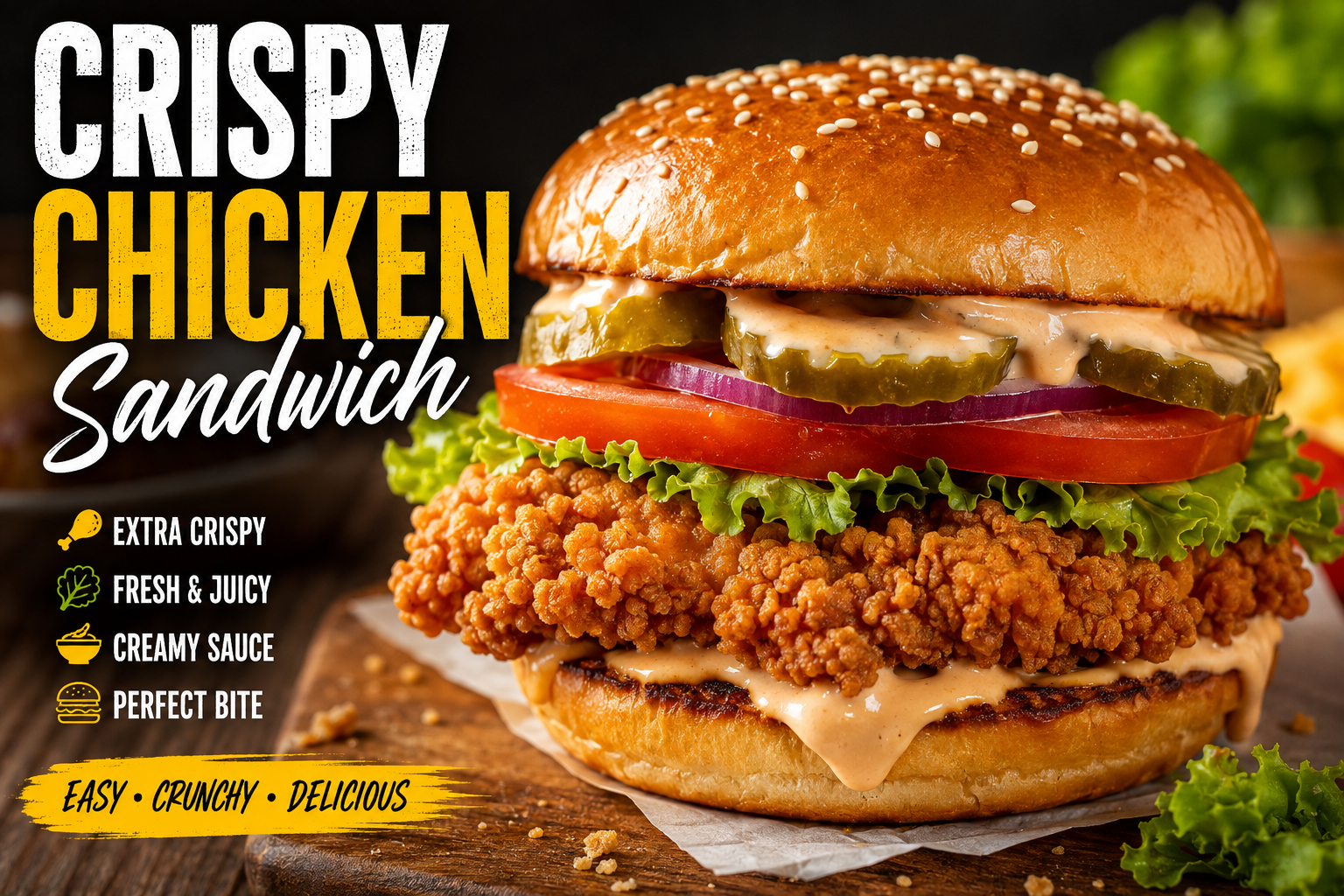
CHICKEN SANDWICHES
Sliced baked chicken breast can be used in sandwiches.
Add lettuce.
Tomato.
Cucumber.
Cheese.
A suitable spread or sauce.
Use toasted bread for additional texture.
CHICKEN PASTA
Slice the baked chicken.
Add it to creamy pasta, tomato pasta, pesto pasta, or garlic Parmesan pasta.
The chicken becomes a convenient protein addition.
CHICKEN BOWLS
Create a simple bowl with:
Rice or another grain.
Baked chicken.
Vegetables.
Fresh herbs.
A suitable dressing or sauce.
This is an easy way to use leftovers.
HOW TO SLICE BAKED CHICKEN BREAST
Allow the chicken to rest before slicing.
Use a sharp clean knife.
Slice against the grain when possible.
Thin slices work well for sandwiches and salads.
Thicker slices are suitable for dinner plates.
WHY RESTING CHICKEN MATTERS
Resting allows the juices to redistribute.
If you cut the chicken immediately after removing it from the oven, some moisture may escape.
Allow it to rest briefly before slicing.
This can help keep the chicken more pleasant and juicy.
DO NOT CUT THE CHICKEN TOO SOON
It can be tempting to check the chicken immediately.
However, give it a little time to rest.
Prepare your side dishes while the chicken rests.
Then slice and serve.
HOW TO TELL IF CHICKEN IS OVERCOOKED
Overcooked chicken often feels firm and dry.
The texture may be stringy.
The best way to avoid this is to monitor the internal temperature during cooking.
Do not continue baking simply because you want the chicken to become “extra done.”
PROTECTING THE CHICKEN FROM OVERCOOKING
Use similarly sized chicken breasts.
Flatten thick portions if appropriate.
Preheat the oven.
Check temperature toward the expected finishing time.
Remove the chicken once it reaches the safe internal temperature.
Allow it to rest.
These steps can greatly improve the final result.
HOW TO GET BETTER BROWNING
Pat the chicken dry.
Use a small amount of oil.
Do not overcrowd the pan.
Use a suitable oven temperature.
Avoid excessive liquid around the chicken.
These techniques can help create a more attractive surface.
CREATING A FLAVORFUL CRUST
A dry seasoning mixture can create a flavorful outer layer.
Combine paprika, garlic powder, onion powder, black pepper, herbs, and salt.
Coat the chicken evenly.
Add a small amount of oil.
Bake until cooked.
For a different texture, a suitable breadcrumb coating can also be used.
HERB BREADCRUMB CHICKEN
Combine breadcrumbs with Parmesan, garlic powder, parsley, and other seasonings.
Coat the chicken appropriately.
Bake until thoroughly cooked.
This creates a crispy exterior while keeping the meal simple.
PARMESAN CRUSTED CHICKEN
Mix Parmesan with breadcrumbs and herbs.
Press the mixture onto the chicken.
Bake until the chicken is thoroughly cooked and the coating becomes lightly golden.
Use a thermometer to check the chicken itself.
CRISPY BAKED CHICKEN BREAST
A crispy version can be created using a suitable breadcrumb coating.
The coating should be evenly applied.
Bake on a suitable surface that allows heat to reach the underside.
Avoid covering the chicken tightly.
Serve immediately for the best texture.
BAKED CHICKEN WITH POTATOES
Chicken and potatoes make a classic combination.
Cut potatoes into manageable pieces.
Season them appropriately.
Arrange them around the chicken.
Bake until the chicken is fully cooked and the potatoes are tender.
Check the chicken separately because vegetables and meat may finish at different times.
BAKED CHICKEN WITH CARROTS
Carrots become sweet and tender when roasted.
Season them simply.
Arrange them around the chicken if your baking method allows.
Make sure the chicken reaches a safe internal temperature.
BAKED CHICKEN WITH BROCCOLI
Broccoli can be added during the later part of cooking if you want it to retain texture.
Season lightly.
Roast until tender.
Serve alongside the chicken.
BAKED CHICKEN WITH ZUCCHINI
Zucchini cooks quickly.
Cut into thick pieces.
Season with garlic, black pepper, and herbs.
Roast until tender.
Serve with chicken.
BAKED CHICKEN WITH BELL PEPPERS
Bell peppers add color and sweetness.
Use red, yellow, orange, or green peppers.
Slice them into strips.
Season lightly.
Roast with the chicken or separately.
HOW TO MAKE THE CHICKEN MORE FLAVORFUL
Flavor comes from multiple layers.
Season the chicken.
Use herbs.
Add garlic.
Use a suitable marinade.
Add a sauce after cooking.
Serve with flavorful sides.
You do not need to use every technique at once.
Choose flavors that complement each other.
CLASSIC FAMILY DINNER COMBINATION
Try:
Juicy Baked Chicken Breast
Mashed potatoes
Steamed broccoli
Fresh salad
This creates a comforting and balanced dinner.
EASY WEEKDAY COMBINATION
Try:
Baked chicken breast
Steamed rice
Roasted vegetables
Simple yogurt or herb-based sauce
This is easy to prepare and customize.
MEDITERRANEAN-INSPIRED COMBINATION
Serve baked chicken with:
Cucumber
Tomatoes
Olives if desired
Fresh herbs
Rice or another grain
A suitable lemon-based dressing
The fresh ingredients complement the savory chicken.
ITALIAN-INSPIRED COMBINATION
Serve chicken with:
Pasta
Tomatoes
Garlic
Parmesan
Fresh herbs
A simple salad
The chicken can also be sliced and added directly to pasta.
HOW TO USE LEFTOVER CHICKEN
Leftover baked chicken is extremely versatile.
Use it in:
Salads
Sandwiches
Wraps
Pasta
Rice bowls
Tacos
Soups
Quesadillas
Meal-prep boxes
This makes baked chicken a useful recipe for busy households.
CHICKEN IN TACOS
Slice or shred the cooked chicken.
Add it to tortillas.
Top with lettuce, tomato, cheese, and other suitable toppings.
Add a mild sauce.
This creates an easy second meal from leftover chicken.
CHICKEN IN QUESADILLAS
Use shredded cooked chicken with cheese.
Place between tortillas.
Cook using a suitable method until the outside becomes crisp and the cheese melts.
Cut into wedges.
Serve with fresh vegetables.
CHICKEN SOUP
Shredded baked chicken can be added to soup.
Combine with broth, vegetables, and herbs.
Heat thoroughly.
The cooked chicken can add protein and flavor.
CHICKEN FRIED RICE
Dice leftover chicken.
Combine with cooked rice and vegetables.
Season appropriately.
Cook until everything is hot.
This is another convenient way to use leftovers.
CHICKEN PASTA SALAD
Chop baked chicken.
Combine with cooked pasta, vegetables, herbs, and a suitable dressing.
Chill appropriately.
Serve as a lunch or side dish.
HOW TO KEEP BAKED CHICKEN MOIST WHEN STORING
Store chicken in a suitable covered container.
Avoid leaving it exposed to air.
When reheating, add a small amount of sauce or suitable liquid if needed.
Do not overheat.
GENTLE REHEATING
Reheat chicken gently.
Microwave in short intervals.
Covering the chicken appropriately can help reduce moisture loss.
Alternatively, warm it in a covered pan with a small amount of suitable liquid.
Stop once thoroughly heated.
WHY REHEATED CHICKEN CAN BECOME DRY
Repeated heating removes moisture.
This is why leftovers should be reheated only as much as needed.
Slicing chicken before reheating can also make it easier to warm evenly.
MEAL PREP WITH BAKED CHICKEN
Baked chicken breast is excellent for meal preparation.
Cook several portions.
Allow them to cool appropriately.
Store them safely.
Use them throughout the week in different meals.
You can prepare:
Chicken and rice bowls.
Chicken salads.
Chicken wraps.
Chicken sandwiches.
Chicken pasta.
This can make busy days easier.
MEAL PREP PORTION IDEAS
Create separate containers with:
Chicken
Rice
Broccoli
Carrots
A small amount of sauce
Another option:
Chicken
Mixed salad
Grain
Dressing
Another:
Chicken
Roasted potatoes
Green vegetables
The same baked chicken can support many meal combinations.
HOW TO PREPARE CHICKEN FOR A WEEK OF MEALS
Season the chicken with a versatile flavor profile.
Bake until safely cooked.
Rest.
Slice or leave whole depending on your intended meals.
Store appropriately.
Use within a safe refrigerated timeframe.
If you will not use it soon, consider freezing suitable portions.
FREEZING COOKED CHICKEN
Cooked chicken can be frozen appropriately.
Cool it safely before freezing.
Place portions in suitable freezer-safe containers or packaging.
Remove excess air when possible.
Label with the date.
Thaw safely in the refrigerator when ready to use.
REHEATING FROZEN CHICKEN
Thaw chicken safely.
Reheat until thoroughly hot.
Add a little suitable sauce or liquid if needed.
Avoid repeated freezing and thawing.
COMMON MISTAKE: USING TOO MUCH OIL
Chicken does not need to be swimming in oil.
A light coating is generally enough to help seasonings adhere.
Too much oil can make the dish greasy.
COMMON MISTAKE: USING TOO LITTLE SEASONING
Chicken breast has a mild flavor.
A very small amount of seasoning may not be enough.
Season both sides.
Distribute the seasoning evenly.
COMMON MISTAKE: NOT DRYING THE CHICKEN
Excess surface moisture can interfere with seasoning and browning.
Pat the chicken dry before seasoning.
COMMON MISTAKE: BAKING WITHOUT PREHEATING
A cold oven changes the cooking process.
Preheat first.
COMMON MISTAKE: RELYING ONLY ON COOKING TIME
Cooking time varies with thickness and oven conditions.
Use internal temperature as the main indicator.
COMMON MISTAKE: CUTTING IMMEDIATELY
Let the chicken rest.
This helps preserve moisture.
COMMON MISTAKE: OVERCROWDING THE PAN
Leave enough space around each piece.
This supports more even cooking and better browning.
COMMON MISTAKE: BURNING GARLIC
Fresh garlic can burn.
If using garlic in a coating or glaze, monitor it carefully.
COMMON MISTAKE: ADDING A SWEET GLAZE TOO EARLY
Honey and other sweet ingredients can brown quickly.
Add them at an appropriate stage so they do not burn before the chicken is finished.
HOW TO CREATE A SIMPLE GARLIC HERB SAUCE
Combine suitable amounts of:
Butter or oil
Garlic
Parsley
Black pepper
A small amount of lemon
Warm gently.
Serve over sliced baked chicken.
This simple sauce can completely change the flavor of the basic recipe.
CREAMY GARLIC CHICKEN SAUCE
Prepare the baked chicken.
Make a creamy sauce with garlic, herbs, and Parmesan.
Slice the chicken.
Serve the sauce over the chicken.
Pair with pasta or vegetables.
LEMON BUTTER CHICKEN
Combine butter with lemon and herbs.
Pour a small amount over the baked chicken.
The acidity from lemon can brighten the rich butter.
GARLIC BUTTER CHICKEN
Melt butter gently.
Add garlic and herbs.
Brush over cooked chicken.
Serve immediately.
This is a simple finishing technique.
CHIMICHURRI-STYLE CHICKEN
A fresh herb-based sauce can provide contrast.
Use parsley, suitable herbs, garlic, oil, and a small amount of acidity.
Serve alongside sliced chicken.
The fresh sauce contrasts beautifully with the warm baked chicken.
HOW TO MAKE BAKED CHICKEN FOR KIDS
Use mild seasoning.
Avoid excessive spice.
Slice the chicken into manageable pieces after cooking.
Serve with familiar sides such as rice, potatoes, pasta, or vegetables.
HOW TO MAKE IT MORE FLAVORFUL FOR ADULTS
Add herbs.
Use black pepper.
Try smoked paprika.
Add garlic.
Serve with a flavorful sauce.
Use lemon zest.
These additions can make the same basic chicken feel completely different.
CREATING A SIMPLE DINNER PARTY PLATE
Place sliced chicken neatly on a plate.
Add roasted vegetables.
Add potatoes or rice.
Drizzle with a suitable sauce.
Finish with fresh herbs.
Keep the presentation simple and clean.
HOW TO GARNISH BAKED CHICKEN
Fresh parsley.
Chopped chives.
Fresh herbs.
Lemon wedges.
A small amount of grated Parmesan.
Choose garnishes that match the flavor of the recipe.
THE ROLE OF LEMON WEDGES
A lemon wedge can be served on the side.
Guests can squeeze a little juice over the chicken.
This provides brightness without forcing a strong lemon flavor into the entire dish.
HOW TO SERVE CHICKEN FOR A BUFFET
Slice the chicken into even pieces.
Arrange it neatly on a serving platter.
Add fresh herbs.
Place sauce separately.
Keep the chicken warm using an appropriate food-safe method.
Do not leave cooked poultry at unsafe temperatures for extended periods.
BAKED CHICKEN FOR A FAMILY GATHERING
Prepare similarly sized chicken breasts.
Season them consistently.
Bake in batches if necessary.
Check the thickest pieces.
Allow the chicken to rest.
Slice before serving if desired.
Provide several side dishes.
This makes serving easier.
WHY SIMPLE RECIPES ARE SO USEFUL
A simple baked chicken recipe can become the foundation of many meals.
Once you know how to prepare juicy chicken, you can use the technique in countless ways.
You do not need to learn a completely new recipe every time.
Change the seasoning.
Change the side dish.
Change the sauce.
Change the presentation.
The basic cooking method remains familiar.
BUILDING YOUR OWN SEASONING BLENDS
You can create different blends depending on the meal.
Classic blend:
Garlic powder
Paprika
Black pepper
Salt
Italian blend:
Garlic
Oregano
Basil
Thyme
Black pepper
Smoky blend:
Smoked paprika
Garlic
Onion powder
Black pepper
Spicy blend:
Paprika
Garlic
Black pepper
A small amount of chili
LEMON HERB BLEND
Try:
Garlic
Parsley
Thyme
Black pepper
Lemon zest
This blend works especially well with vegetables and rice.
GARLIC PARMESAN BLEND
Try:
Garlic powder
Parmesan
Black pepper
Parsley
A small amount of paprika
Add Parmesan at the appropriate cooking stage.
HOW TO KEEP SEASONING FROM FALLING OFF
Lightly coat the chicken with oil.
Then add the seasoning.
Press the seasoning gently onto the surface.
Avoid excessive handling after seasoning.
This helps maintain an even coating.
HOW TO GET JUICY CHICKEN EVERY TIME
The key principles are:
Choose evenly sized chicken breasts.
Pat them dry.
Season properly.
Use an appropriate oven temperature.
Check internal temperature.
Do not overcook.
Rest before slicing.
These steps are more important than complicated ingredients.
WHY RESTING IS PART OF THE RECIPE
Resting is not simply an optional presentation step.
It gives the chicken time to settle after cooking.
When sliced immediately, moisture can escape.
Allowing it to rest briefly can result in a more pleasant texture.
HOW TO KNOW WHEN TO REMOVE CHICKEN FROM THE OVEN
Use a food thermometer.
Insert it into the thickest section.
Once the chicken reaches the recommended safe internal temperature of 165°F (74°C), it is ready.
Remove it from the oven.
Allow it to rest.
This approach is more reliable than judging only by color.
FINAL TIPS FOR PERFECT BAKED CHICKEN
Choose similar-sized pieces.
Flatten thick areas if needed.
Dry the surface.
Use enough seasoning.
Do not use excessive oil.
Preheat the oven.
Do not overcrowd the pan.
Check internal temperature.
Remove when safely cooked.
Rest before slicing.
Serve while warm.
These simple techniques can turn ordinary chicken breast into a delicious homemade meal.
CONCLUSION
Juicy Baked Chicken Breast is one of the most practical recipes to master because it can become the foundation for so many different meals.
The basic recipe is simple, but the possibilities are enormous.
You can keep it classic with garlic, paprika, black pepper, and herbs.
You can make it bright and fresh with lemon.
You can make it rich with garlic butter.
You can add Parmesan for a cheesy crust.
You can create a spicy version with chili and paprika.
You can serve it with rice.
You can pair it with roasted vegetables.
You can slice it into salads.
You can use it in sandwiches.
You can add it to pasta.
You can prepare it in advance for meal prep.
The most important part is learning how to cook chicken breast without overcooking it.
Remember to prepare the chicken properly, season it evenly, control the cooking process, and check its internal temperature.
A food thermometer is especially useful because chicken breasts vary in size and thickness.
Once the chicken reaches a safe internal temperature of 165°F (74°C), remove it from the oven and allow it to rest before slicing.
With these simple techniques, baked chicken breast can become tender, flavorful, versatile, and dependable.
It is a recipe worth making again and again.
🍗❤️
🍗 JUICY BAKED CHICKEN BREAST — COMPLETE RECIPE GUIDE, VARIATIONS, SERVING IDEAS & EXPERT TIPS
Baked chicken breast can be much more than a simple piece of seasoned chicken. With a few thoughtful techniques, the same basic ingredient can become the centerpiece of a comforting family dinner, a quick weekday meal, a healthy-looking lunch bowl, a flavorful sandwich filling, or a delicious addition to pasta and salads.
The best part is that you do not need complicated cooking skills to make it well.
The foundation is simple:
Prepare the chicken properly.
Season it evenly.
Choose a suitable baking method.
Cook it thoroughly.
Monitor the internal temperature.
Let it rest.
Serve it with flavors and sides that complement it.
Once these basics become familiar, you can experiment with different seasonings, sauces, vegetables, grains, and serving styles.
HOW TO PREPARE CHICKEN BREAST FOR BAKING
Begin with refrigerated chicken breast.
Keep the chicken cold until you are ready to prepare it.
Place it on a clean preparation surface.
Remove any unwanted pieces of fat or connective tissue if necessary.
Pat the surface dry using clean paper towels.
Drying the surface is a small step, but it can make a noticeable difference.
A dry surface allows oil and seasonings to stick more easily.
It also helps the exterior develop better color during baking.
After handling raw chicken, clean the preparation area carefully.
Wash your hands thoroughly.
Use separate utensils for raw poultry and ready-to-eat foods.
Do not use the same cutting board for raw chicken and salad ingredients without properly washing and sanitizing it first.
WHY EVEN THICKNESS IS IMPORTANT
Chicken breasts are rarely perfectly uniform.
One side may be thin while the center is much thicker.
This can create a cooking problem.
The thinner section can become overcooked while the thickest section is still finishing.
One useful technique is to gently flatten the thicker portion.
The goal is not to make the chicken extremely thin.
Instead, aim for a more even thickness.
This allows the chicken to cook more consistently.
HOW TO FLATTEN CHICKEN BREAST
Place the chicken between suitable sheets of food-safe plastic wrap or another appropriate covering.
Use a meat mallet or another suitable tool.
Gently pound the thicker areas.
Do not pound aggressively.
The goal is even thickness rather than a very thin piece of meat.
Once the chicken is relatively uniform, it can be seasoned.
CHOOSING A SEASONING STYLE
There are countless ways to season baked chicken.
A simple everyday combination is:
Salt
Black pepper
Garlic powder
Paprika
Onion powder
Dried herbs
This combination works with many side dishes.
If you want a brighter flavor, add lemon zest.
For a smoky flavor, use smoked paprika.
For an herb-focused flavor, add oregano, thyme, basil, or rosemary.
For gentle heat, add a small amount of chili powder or red pepper flakes.
CLASSIC GARLIC HERB CHICKEN
A classic garlic herb seasoning can include garlic powder, black pepper, paprika, thyme, oregano, and parsley.
Mix the dry seasonings together.
Lightly coat the chicken with oil.
Sprinkle the seasoning evenly over both sides.
Gently rub it over the surface.
Bake until thoroughly cooked.
Finish with fresh parsley.
This version is simple enough for a weekday dinner and flavorful enough for guests.
LEMON GARLIC BAKED CHICKEN
Lemon and garlic create a fresh, aromatic combination.
Use lemon zest for a concentrated citrus aroma.
Add a suitable amount of lemon juice.
Combine with garlic, black pepper, herbs, and oil.
The lemon should brighten the chicken rather than completely dominate its flavor.
After baking, serve with a lemon wedge.
The fresh citrus can be added according to individual preference.
GARLIC BUTTER BAKED CHICKEN
Garlic butter can make chicken taste especially rich.
Combine softened butter with minced garlic and herbs.
Spread a thin layer over the chicken.
Bake until the chicken reaches a safe internal temperature.
The butter melts while the chicken cooks and helps create a rich flavor.
For the best balance, use enough butter for flavor without making the chicken excessively greasy.
HONEY GARLIC CHICKEN
Honey adds sweetness and can create a beautiful glaze.
Combine honey with garlic, a small amount of oil, and suitable seasonings.
Because sweet ingredients can brown quickly, monitor the chicken carefully.
Depending on the recipe, the glaze may be applied during the later stage of baking.
This can help prevent the surface from becoming too dark before the chicken is fully cooked.
PARMESAN CRUSTED BAKED CHICKEN
Parmesan can be used to create a savory crust.
Combine finely grated Parmesan with breadcrumbs, garlic powder, black pepper, and herbs.
Coat the chicken appropriately.
Bake until the chicken is thoroughly cooked and the topping becomes lightly golden.
The crispy coating provides a pleasant contrast to the tender chicken.
HOW TO MAKE THE CRUST STICK
Pat the chicken dry.
Use a thin coating of oil or another suitable binder.
Press the breadcrumb and Parmesan mixture gently onto the surface.
Do not handle the coated chicken excessively.
Place it carefully into the baking dish.
This helps keep the coating in place.
CRISPY BAKED CHICKEN BREAST
For a crispier variation, use a breadcrumb coating.
You can season the crumbs with garlic powder, paprika, Parmesan, parsley, and black pepper.
Spread the coating evenly.
Bake until thoroughly cooked.
For the best texture, serve soon after baking.
If the chicken sits covered for too long, steam can soften the coating.
SMOKED PAPRIKA CHICKEN
Smoked paprika gives the chicken a deeper, smoky character.
Combine it with garlic powder, onion powder, black pepper, and salt.
Add a small amount of oil.
Coat the chicken.
Bake until thoroughly cooked.
This version works well with roasted potatoes and grilled or roasted vegetables.
SPICY BAKED CHICKEN
If you enjoy spicy flavors, create a simple spicy seasoning.
Use paprika, garlic powder, black pepper, onion powder, and a small amount of chili powder.
You can increase the heat gradually.
Do not add a large amount of chili powder immediately.
Taste the seasoning mixture before applying it to raw chicken if the ingredients are safe to taste individually, or simply adjust according to your preferred spice level without tasting raw poultry seasoning.
MILD SPICY CHICKEN
For a family-friendly spicy version, use mostly paprika with only a small amount of chili.
This gives warmth without making the chicken overwhelmingly hot.
Serve with rice, potatoes, or a cooling yogurt-based sauce if desired.
ITALIAN-STYLE BAKED CHICKEN
Italian-inspired seasoning can include:
Garlic
Oregano
Basil
Thyme
Black pepper
Paprika
A little Parmesan
Bake the chicken and serve it with pasta or roasted vegetables.
You can also slice the chicken and add it to tomato-based pasta.
MEDITERRANEAN-INSPIRED CHICKEN
A Mediterranean-style plate can combine baked chicken with fresh vegetables and herbs.
Serve the chicken with:
Cucumber
Tomatoes
Lettuce
Fresh herbs
Rice or another grain
A lemon-based dressing
The fresh vegetables create a pleasant contrast with the warm roasted chicken.
CREAMY BAKED CHICKEN
Baked chicken can also become part of a creamy dinner.
Cook the chicken separately.
Prepare a creamy garlic or Parmesan sauce.
Slice the chicken.
Serve it over the sauce.
Add pasta, rice, potatoes, or vegetables.
This creates a richer meal suitable for a cozy dinner.
CHICKEN WITH GARLIC PARMESAN SAUCE
Prepare the baked chicken.
In a separate pan, gently prepare a garlic Parmesan sauce.
Keep the heat moderate.
Add Parmesan gradually.
Stir until smooth.
Slice the cooked chicken.
Serve it with the sauce.
Fresh parsley can be added at the end.
CHICKEN WITH MUSHROOM SAUCE
Mushrooms pair naturally with chicken.
Slice mushrooms.
Cook them until tender and their excess moisture has reduced.
Add garlic and suitable herbs.
Prepare a simple creamy sauce if desired.
Add sliced baked chicken.
Serve with pasta, rice, or mashed potatoes.
CHICKEN WITH LEMON HERB SAUCE
A lighter finishing sauce can be made with lemon, herbs, garlic, and oil or butter.
Keep the sauce balanced.
Pour a small amount over sliced chicken.
Serve with vegetables or rice.
The citrus helps brighten the overall dish.
CHICKEN WITH TOMATO SAUCE
Baked chicken can also be served with a tomato-based sauce.
Prepare a simple tomato sauce with garlic and herbs.
Add the cooked chicken.
Allow it to warm gently in the sauce.
Serve with pasta or bread.
This is a simple way to transform baked chicken into a completely different dinner.
CHICKEN WITH PESTO
Pesto provides strong herbal flavor.
Use a moderate amount.
Spread it over cooked chicken or serve it alongside.
Pesto chicken pairs well with pasta, tomatoes, mozzarella-style cheese, or a fresh salad.
BAKED CHICKEN AND BROCCOLI
Chicken and broccoli are a dependable combination.
Cut broccoli into small florets.
Season lightly.
Roast or steam until tender.
Serve alongside baked chicken.
For a complete meal, add rice or potatoes.
CREAMY CHICKEN AND BROCCOLI
Prepare baked chicken.
Cook broccoli until tender.
Prepare a suitable creamy garlic Parmesan sauce.
Combine the ingredients.
Serve with pasta or rice.
This creates a comforting family-style meal.
BAKED CHICKEN AND POTATOES
Potatoes are one of the easiest side dishes for chicken.
Cut potatoes into evenly sized pieces.
Season with oil, garlic, paprika, herbs, salt, and black pepper.
Roast until tender.
Serve with sliced baked chicken.
You can also add carrots, onions, or bell peppers.
ROASTED CHICKEN AND VEGETABLE PLATTER
Create a colorful platter with:
Chicken breast
Broccoli
Carrots
Bell peppers
Zucchini
Potatoes
Arrange everything neatly.
Finish with fresh herbs.
This makes a beautiful family dinner.
BAKED CHICKEN WITH RICE
Rice provides a neutral base for flavorful chicken.
Serve sliced chicken over cooked rice.
Add roasted vegetables.
Finish with a suitable sauce.
You can change the flavor profile by using different herbs and seasonings.
GARLIC HERB CHICKEN RICE BOWL
Prepare rice.
Slice baked chicken.
Add vegetables.
Top with fresh herbs.
Drizzle with a suitable sauce.
This simple bowl can be customized easily.
CHICKEN AND QUINOA BOWL
Cook quinoa according to its package directions.
Add baked chicken.
Include cucumber, tomatoes, carrots, greens, or other suitable vegetables.
Finish with a light dressing.
This is a convenient way to use leftover chicken.
CHICKEN SALAD
Baked chicken is excellent in salads.
Allow the chicken to cool appropriately.
Slice or chop it.
Combine with lettuce, cucumber, tomatoes, carrots, corn, or other vegetables.
Add your preferred dressing.
For additional texture, you can include toasted seeds or nuts if suitable for your preferences and dietary needs.
CHICKEN CAESAR-STYLE SALAD
Slice baked chicken.
Serve over crisp lettuce.
Add a suitable Caesar-style dressing.
Add Parmesan.
Include croutons if desired.
This creates a simple restaurant-inspired lunch at home.
CHICKEN WRAPS
Slice chicken into thin strips.
Place it inside a suitable tortilla.
Add lettuce, cucumber, tomato, cheese, and a suitable sauce.
Roll firmly.
Cut in half.
Wraps are especially useful when you have leftover chicken.
CHICKEN SANDWICH
Use sliced baked chicken with:
Bread
Lettuce
Tomato
Cucumber
Cheese
A suitable spread
Toast the bread if desired.
The contrast between warm chicken and crisp vegetables can make a very satisfying sandwich.
CHICKEN PASTA
Slice baked chicken and add it to pasta.
It works with:
Creamy Parmesan sauce
Tomato sauce
Pesto
Garlic and oil
Vegetable-based sauces
This makes one batch of chicken useful for several different meals.
CREAMY CHICKEN PASTA
Prepare a creamy sauce.
Add cooked pasta.
Slice baked chicken.
Toss together.
Finish with Parmesan and parsley.
A little black pepper can provide additional flavor.
CHICKEN TOMATO PASTA
Prepare a tomato and garlic sauce.
Add cooked pasta.
Slice baked chicken.
Combine everything.
Finish with basil or parsley.
CHICKEN PESTO PASTA
Cook pasta.
Add pesto.
Add sliced baked chicken.
Include tomatoes or spinach if desired.
Finish with Parmesan.
This is a quick way to turn leftover chicken into a new dinner.
CHICKEN GARLIC PARMESAN PASTA
Creamy garlic Parmesan pasta can be combined with sliced baked chicken.
The chicken provides additional texture and makes the pasta more substantial.
Finish with parsley and freshly grated Parmesan.
CHICKEN SOUP
Leftover baked chicken can be shredded and added to soup.
Use broth, vegetables, herbs, and suitable seasonings.
Add the cooked chicken near the end so it does not become unnecessarily dry.
Heat thoroughly.
CHICKEN NOODLE SOUP
Use shredded cooked chicken.
Add noodles.
Include carrots, celery, onions, and herbs.
Simmer until the vegetables and noodles are properly cooked.
Add the chicken toward the end.
This is a comforting way to use leftovers.
CHICKEN TACOS
Slice or shred baked chicken.
Warm suitable tortillas.
Add chicken.
Top with lettuce, tomatoes, cheese, and other preferred toppings.
Add a mild sauce.
This creates a completely different meal from the same baked chicken.
CHICKEN QUESADILLAS
Use shredded baked chicken with cheese.
Place the mixture between tortillas.
Cook using a suitable method until the outside becomes crisp and the filling is thoroughly heated.
Cut into wedges.
Serve with fresh vegetables or a suitable dip.
CHICKEN FRIED RICE
Dice leftover chicken.
Combine with cooked rice and vegetables.
Season appropriately.
Cook until thoroughly hot.
This is an easy way to repurpose leftovers.
CHICKEN AND VEGETABLE STIR-FRY
Slice cooked chicken.
Prepare vegetables.
Cook the vegetables until tender-crisp.
Add chicken toward the end.
Add a suitable sauce.
Heat everything thoroughly.
Because the chicken is already cooked, avoid prolonged cooking.
HOW TO USE BAKED CHICKEN FOR BREAKFAST
Although chicken is often associated with lunch or dinner, leftover chicken can also be used in breakfast dishes.
Add small pieces to an omelet.
Serve with eggs and toast.
Add to a breakfast wrap.
Mix into a vegetable scramble.
Use a small portion alongside potatoes.
This can help reduce food waste.
CHICKEN BREAKFAST WRAP
Use cooked chicken with scrambled eggs, vegetables, and cheese.
Place everything inside a suitable tortilla.
Fold and warm.
The result is filling and convenient.
CHICKEN AND EGG BOWL
Serve warm rice or another grain.
Add cooked chicken.
Top with egg.
Add vegetables and herbs.
Finish with a suitable sauce.
HOW TO MAKE BAKED CHICKEN FOR LUNCHBOXES
Cut cooked chicken into manageable pieces.
Combine with rice, vegetables, or pasta.
Pack using suitable food-safe containers.
Keep perishable foods properly chilled until needed.
For school or work lunches, make sure food is stored and transported safely.
MEAL PREP CHICKEN
Baked chicken breast is one of the most useful meal-prep proteins.
Prepare several chicken breasts.
Season them with a versatile seasoning.
Bake until safely cooked.
Allow them to rest.
Divide into portions.
Store properly.
Then use each portion differently.
DAY ONE:
Chicken with rice and vegetables.
DAY TWO:
Chicken salad.
DAY THREE:
Chicken wrap.
DAY FOUR:
Chicken pasta.
DAY FIVE:
Chicken sandwich.
The same basic recipe can therefore create several different meals.
HOW TO KEEP MEAL-PREP CHICKEN INTERESTING
Do not use exactly the same sauce every day.
Change the side dishes.
Change the seasoning.
Try different vegetables.
Use different dressings.
One day use rice.
Another day use pasta.
Another day use salad.
This prevents meal preparation from becoming repetitive.
STORAGE TIPS
Cooked chicken should be refrigerated promptly.
Store it in a clean, covered container.
Use appropriate food-safety practices.
When reheating, make sure the chicken becomes thoroughly hot.
Avoid leaving cooked chicken at room temperature for extended periods.
HOW TO REHEAT BAKED CHICKEN
Gentle reheating is important.
Microwave the chicken in short intervals.
Cover it appropriately.
Add a small amount of suitable sauce or liquid if necessary.
Alternatively, reheat it gently in a covered pan.
Do not continue heating after it is already hot.
This helps prevent unnecessary moisture loss.
REHEATING CHICKEN WITH SAUCE
If the chicken is already sliced, reheating it with sauce can help improve the texture.
Place chicken in a suitable pan.
Add a little sauce.
Warm gently.
Stir or turn carefully.
Heat until thoroughly hot.
REHEATING CHICKEN IN THE OVEN
Place chicken in an oven-safe dish.
Add a small amount of suitable liquid or sauce.
Cover appropriately.
Warm gently until thoroughly heated.
Avoid excessively high heat.
HOW TO AVOID DRY LEFTOVERS
Do not repeatedly reheat chicken.
Store it properly.
Slice only what you need.
Add sauce when reheating.
Use gentle heat.
These small details can make leftover chicken much more enjoyable.
FREEZING BAKED CHICKEN
Cooked chicken can be frozen appropriately.
Divide it into useful portions.
Use freezer-safe containers or suitable packaging.
Remove excess air when possible.
Label the package with the date.
Thaw safely in the refrigerator when needed.
After thawing, reheat thoroughly.
CHICKEN FOR QUICK DINNERS
If you know you will have a busy week, preparing chicken in advance can save time.
Cook a batch.
Store portions safely.
Then use the chicken in different meals.
This can reduce the need to cook a completely new protein every evening.
HOW TO PLAN A CHICKEN DINNER
Start with the chicken.
Choose your seasoning.
Then choose a carbohydrate.
Rice.
Potatoes.
Pasta.
Bread.
Another grain.
Then add vegetables.
Finally, choose a sauce or garnish.
This simple formula makes meal planning easier.
THE THREE-PART DINNER FORMULA
A balanced dinner can be organized around:
Protein
Vegetables
A grain or starchy side
For example:
Baked chicken
Roasted broccoli
Rice
Or:
Baked chicken
Green salad
Roasted potatoes
Or:
Baked chicken
Vegetable pasta
Fresh salad
This approach gives you endless combinations.
HOW TO MAKE THE RECIPE FEEL DIFFERENT EACH TIME
The chicken can stay the same while the sides change.
Classic:
Garlic herb chicken + potatoes + broccoli
Fresh:
Lemon chicken + salad + rice
Comforting:
Garlic butter chicken + mashed potatoes + vegetables
Italian-inspired:
Herb chicken + pasta + tomato salad
Spicy:
Paprika chili chicken + rice + roasted vegetables
This is one reason baked chicken breast is such a useful recipe.
HOW TO MAKE A BEAUTIFUL SERVING PLATTER
Arrange sliced chicken in the center.
Place vegetables around it.
Add potatoes or rice.
Garnish with fresh herbs.
Serve sauce separately.
Use a clean serving plate.
Avoid adding too many garnishes.
Simple presentation often looks more appealing.
HOW TO SLICE CHICKEN FOR SERVING
Allow the chicken to rest.
Use a sharp knife.
Slice evenly.
Cut across the muscle fibers when possible.
Arrange the slices slightly overlapping.
Add sauce around or over the chicken.
Finish with herbs.
HOW TO SERVE CHICKEN FOR A FAMILY DINNER
You can serve chicken whole or sliced.
If serving several people, slicing can make portioning easier.
Place the chicken on a platter.
Add vegetables.
Serve rice or potatoes separately.
Keep extra sauce available.
This allows everyone to customize their plate.
HOW TO SERVE CHICKEN FOR GUESTS
For guests, presentation can make a simple meal feel special.
Use fresh herbs.
Prepare colorful vegetables.
Serve a flavorful sauce.
Add warm bread.
Use attractive serving dishes.
The food does not have to be complicated.
Good preparation and presentation can make a big difference.
CHICKEN FOR SPECIAL OCCASIONS
Baked chicken can be dressed up for celebrations.
Use a flavorful herb marinade.
Add a Parmesan crust.
Serve with roasted vegetables.
Prepare a creamy sauce.
Garnish with fresh herbs.
Serve with a fresh salad.
This turns an everyday ingredient into a special dinner.
HOW TO MAKE CHICKEN MORE AROMATIC
Fresh herbs can be added after cooking.
Garlic can be included in marinades or sauces.
Lemon zest adds a fresh aroma.
Rosemary and thyme provide an earthy aroma.
Parsley provides freshness.
The key is balance.
HOW TO CHOOSE HERBS
For a classic flavor:
Parsley
For Italian-inspired flavor:
Basil and oregano
For earthy flavor:
Thyme and rosemary
For bright flavor:
Parsley and lemon zest
Use herbs that complement the rest of the meal.
WHY FRESH GARNISH MATTERS
A little fresh garnish can make the finished dish look more appetizing.
Parsley adds green color.
Lemon adds brightness.
Freshly grated Parmesan adds texture and savory flavor.
Black pepper adds visual contrast.
Garnishes should support the dish rather than hide it.
HOW TO BALANCE FLAVORS
A delicious chicken dish usually has several flavor elements.
Savory from salt and herbs.
Aromatic from garlic.
Warm from black pepper or paprika.
Fresh from herbs or lemon.
Rich from oil, butter, or sauce.
The flavors should work together rather than compete.
HOW TO BALANCE RICH SAUCES
If you serve chicken with a creamy sauce, choose lighter sides.
Fresh salad.
Steamed vegetables.
Roasted greens.
A small amount of rice.
This can prevent the entire meal from feeling too heavy.
HOW TO BALANCE SPICY CHICKEN
Serve spicy chicken with mild sides.
Rice.
Cucumber.
Fresh salad.
A suitable cooling sauce.
This allows the spicy chicken to remain the main flavor.
HOW TO BALANCE SWEET CHICKEN
If using honey or another sweet glaze, add savory and fresh sides.
Roasted vegetables.
Green salad.
Rice.
Fresh herbs.
A little acidity can also help balance sweetness.
CHICKEN AND GARLIC BREAD
Garlic bread pairs well with many baked chicken variations.
Serve warm bread alongside creamy chicken or tomato-based chicken.
Keep the garlic flavor balanced so it does not overpower the main dish.
CHICKEN AND FRESH SALAD
A crisp salad can provide freshness.
Use lettuce, cucumber, tomatoes, carrots, cabbage, or other vegetables.
Add a light dressing.
Serve chilled salad alongside warm chicken.
CHICKEN AND ROASTED POTATOES
Roasted potatoes provide crisp edges and a soft center.
Season them with garlic, paprika, herbs, salt, and black pepper.
Serve alongside chicken.
CHICKEN AND MASHED POTATOES
Mashed potatoes create a comforting combination.
Keep the potatoes smooth and flavorful.
Serve chicken on top or alongside.
Add gravy or a suitable sauce.
CHICKEN AND STEAMED VEGETABLES
Steamed vegetables provide a simple side.
Try broccoli, carrots, green beans, or cauliflower.
Season lightly.
Serve with baked chicken and rice or potatoes.
HOW TO CREATE A COMPLETE CHICKEN DINNER IN ONE PAN
One-pan meals can reduce cleanup.
Place suitable vegetables in a baking dish.
Season them.
Add chicken.
Bake according to the appropriate cooking requirements.
Because different ingredients can cook at different speeds, check the chicken independently for safe doneness.
Add quick-cooking vegetables later if necessary.
ONE-PAN GARLIC HERB CHICKEN
Use chicken breast with potatoes, carrots, and broccoli.
Season everything with garlic, herbs, black pepper, and a suitable amount of oil.
Arrange the ingredients with enough space.
Bake until the chicken is safely cooked and the vegetables are tender.
Finish with fresh parsley.
ONE-PAN LEMON CHICKEN
Use chicken with potatoes and vegetables.
Add lemon zest and herbs.
Bake until thoroughly cooked.
Finish with fresh lemon juice.
ONE-PAN PARMESAN CHICKEN
Use chicken with suitable vegetables.
Add a Parmesan breadcrumb topping.
Bake until the chicken is safely cooked and the topping is lightly golden.
Serve immediately.
HOW TO PREVENT VEGETABLES FROM BECOMING SOGGY
Do not overcrowd the pan.
Use an appropriate amount of oil.
Cut vegetables into suitable sizes.
Place them in a single layer when possible.
Some vegetables may need to be added later because they cook faster than chicken.
CHOOSING VEGETABLES BY COOKING TIME
Hard vegetables such as carrots and potatoes generally take longer.
Broccoli and zucchini can cook more quickly.
Leafy greens cook very quickly.
Understanding this can help you time a one-pan dinner more effectively.
HOW TO MAKE THE CHICKEN MORE TENDER
Tenderness starts with correct cooking.
Do not overcook.
Use evenly thick pieces.
Marinate if desired.
Use an appropriate amount of oil or sauce.
Rest after baking.
These steps work together.
THE ROLE OF MARINADE
A marinade adds flavor and can affect texture.
Common ingredients include:
Oil
Garlic
Herbs
Lemon
Yogurt
Spices
Do not assume that a longer marinade is always better.
Different marinades behave differently.
Keep raw chicken refrigerated while marinating.
YOGURT-MARINATED CHICKEN
A yogurt-based marinade can provide a tender texture.
Combine yogurt with garlic, herbs, spices, and suitable seasoning.
Coat chicken.
Keep refrigerated during marination.
Bake until thoroughly cooked.
Remove excess marinade as appropriate before cooking.
LEMON HERB MARINADE
Combine oil, lemon zest, a modest amount of lemon juice, garlic, herbs, and seasoning.
Coat the chicken.
Refrigerate.
Bake according to the recipe.
This creates a fresh and aromatic flavor.
GARLIC AND HERB MARINADE
Combine oil, garlic, parsley, thyme, oregano, black pepper, and salt.
Coat chicken evenly.
Refrigerate.
Bake until safely cooked.
This is one of the most versatile marinades.
HOW TO AVOID TOO MUCH ACID IN A MARINADE
Lemon juice and other acidic ingredients can strongly affect texture.
Use a balanced amount.
Do not marinate for unnecessarily long periods.
If you want more lemon flavor, consider adding fresh zest after cooking instead of increasing the amount of juice dramatically.
HOW TO MAKE A RESTAURANT-STYLE FINISH
Once the chicken is cooked and rested, slice it neatly.
Add a small amount of sauce.
Sprinkle fresh herbs.
Add freshly ground black pepper.
Place a lemon wedge on the side.
Keep the plate clean.
This creates a simple but polished presentation.
HOW TO MAKE A FAMILY-STYLE PLATTER
Place the chicken on a large serving dish.
Arrange roasted vegetables around it.
Add potatoes or rice.
Garnish with parsley.
Serve sauce separately.
Family members can serve themselves.
This style works well for casual dinners.
HOW TO MAKE A SIMPLE CHICKEN DINNER FOR BUSY NIGHTS
Prepare chicken.
Season.
Bake.
While it cooks, prepare rice or vegetables.
Make a simple sauce.
Rest the chicken.
Slice.
Serve.
The entire meal can be organized around the chicken’s cooking time.
QUICK SIDE DISHES
Some simple side dishes include:
Steamed broccoli
Green salad
Rice
Mashed potatoes
Roasted carrots
Sautéed vegetables
Garlic bread
Pasta
Choose one or two rather than trying to prepare too many dishes.
HOW TO MAKE BAKED CHICKEN FOR A CROWD
When cooking for many people, use similarly sized chicken breasts.
Work in batches if needed.
Avoid overcrowding.
Use multiple baking dishes if necessary.
Check the thickest pieces.
Keep cooked chicken warm using an appropriate food-safe method.
Serve with several simple sides.
HOW TO SCALE THE SEASONING
When increasing the amount of chicken, increase the seasoning proportionally.
Do not simply double one ingredient while leaving everything else unchanged.
Taste and adjust the overall balance when preparing sauces or seasoning blends.
HOW TO AVOID UNEVEN COOKING IN LARGE BATCHES
Arrange chicken in a single layer.
Use pieces with similar thickness.
Leave space between pieces.
Rotate pans when appropriate for your oven.
Check internal temperature in multiple pieces.
This helps ensure that the entire batch is properly cooked.
WHY OVEN POSITION CAN MATTER
Some ovens have hotter areas.
If you notice uneven browning, rotate the baking dish carefully during cooking when appropriate.
However, avoid opening the oven unnecessarily.
Use the thermometer to check the chicken rather than judging only by appearance.
HOW TO KNOW IF THE CHICKEN IS DONE
A food thermometer is the most reliable method.
Check the thickest part.
Chicken should reach a safe internal temperature of 165°F (74°C).
Do not rely solely on color.
Do not taste chicken to determine whether it is cooked.
HOW TO HANDLE CHICKEN AFTER COOKING
Use clean utensils.
Do not place cooked chicken back onto the plate or cutting board that held raw chicken unless it has been properly cleaned.
Let the chicken rest.
Then slice and serve.
This keeps the meal both delicious and safe.
FOOD-SAFETY CHECKLIST
Keep raw chicken refrigerated.
Wash hands after handling raw poultry.
Use clean utensils.
Keep raw and cooked foods separate.
Cook chicken thoroughly.
Use a thermometer.
Refrigerate leftovers promptly.
Reheat leftovers thoroughly.
These habits should become part of every chicken recipe.
HOW TO MAKE THE RECIPE MORE BUDGET-FRIENDLY
Buy chicken in suitable quantities when it is reasonably priced.
Prepare larger batches.
Use affordable seasonal vegetables.
Serve with rice or potatoes.
Turn leftovers into sandwiches, wraps, salads, or pasta.
This helps stretch one batch of chicken into multiple meals.
HOW TO REDUCE FOOD WASTE
Use leftover chicken creatively.
Do not throw away small pieces.
Chop them for salad.
Add them to soup.
Use them in wraps.
Mix them with pasta.
Add them to rice.
Small leftovers can become useful ingredients.
LEFTOVER CHICKEN AND CHEESE TOAST
Slice or shred cooked chicken.
Place it on bread with cheese.
Toast using a suitable method until the cheese melts and the chicken is thoroughly heated.
Add tomato or cucumber after heating.
LEFTOVER CHICKEN RICE BOWL
Warm rice.
Add sliced chicken.
Add vegetables.
Finish with sauce.
This can be prepared in just a few minutes when the ingredients are already cooked.
LEFTOVER CHICKEN SALAD WRAP
Chop chicken.
Combine with fresh vegetables.
Add a suitable dressing.
Place inside a tortilla.
Roll tightly.
This is an easy lunch.
LEFTOVER CHICKEN PASTA BAKE
Combine cooked pasta, chicken, vegetables, and a suitable sauce.
Place in an oven-safe dish.
Top with cheese if desired.
Bake until thoroughly heated.
This transforms leftovers into a comforting casserole-style meal.
CHICKEN AND VEGETABLE CASSEROLE
Combine cooked chicken with vegetables and a suitable sauce.
Place in a baking dish.
Top with breadcrumbs or cheese if desired.
Bake until hot and lightly golden.
CHICKEN POT PIE INSPIRED LEFTOVERS
Cooked chicken can be combined with vegetables and a creamy filling.
Place into a suitable baking dish.
Top with pastry or another appropriate topping.
Bake according to the topping’s requirements.
This is another creative use for leftover chicken.
CHICKEN AND NOODLES
Slice cooked chicken.
Combine with noodles, vegetables, and a suitable sauce.
Heat thoroughly.
Add fresh herbs.
A simple dish can be ready quickly when using leftover baked chicken.
HOW TO MAKE CHICKEN FLAVORFUL WITHOUT A COMPLICATED RECIPE
The easiest approach is to build flavor in layers.
Season before cooking.
Use aromatic ingredients.
Cook correctly.
Add a finishing sauce.
Garnish with fresh herbs.
This is enough to create a satisfying dish.
THE IMPORTANCE OF FRESHLY GROUND BLACK PEPPER
Freshly ground pepper has a stronger aroma than pepper that has been sitting for a long time.
Add it before cooking for deeper seasoning.
Add a small amount after cooking for a fresh pepper aroma.
THE IMPORTANCE OF FRESH HERBS
Fresh herbs can make a baked chicken dish feel brighter.
Parsley is especially versatile.
Chives provide a mild onion-like flavor.
Basil works with Italian-inspired dishes.
Cilantro can work with certain spicy or fresh flavor combinations.
Choose according to the rest of the meal.
HOW TO ADD LEMON WITHOUT MAKING CHICKEN SOUR
Use lemon zest for aroma.
Use juice sparingly.
Serve additional lemon on the side.
This gives you more control over acidity.
HOW TO ADD CHEESE WITHOUT MAKING CHICKEN TOO HEAVY
Use Parmesan in moderation.
Combine it with herbs and breadcrumbs.
Add cheese toward the appropriate stage of cooking.
Serve a fresh salad or vegetables alongside.
This balances the richness.
HOW TO CREATE DIFFERENT FLAVORS FROM ONE RECIPE
Basic chicken can become:
Garlic herb chicken
Lemon chicken
Parmesan chicken
Honey garlic chicken
Smoky paprika chicken
Spicy chicken
Italian herb chicken
Mediterranean chicken
Creamy garlic chicken
Pesto chicken
The cooking foundation remains similar.
Only the flavor profile changes.
WHY THIS RECIPE BELONGS IN EVERY RECIPE COLLECTION
It is versatile.
It is customizable.
It can be prepared in advance.
It works for families.
It works for meal preparation.
It can be served in many ways.
It pairs with countless side dishes.
It can become the base for many other recipes.
Once you learn to bake chicken breast properly, many other chicken meals become easier.
FINAL TROUBLESHOOTING GUIDE
IF THE CHICKEN IS DRY:
It may have been overcooked.
Next time, check the internal temperature earlier.
IF THE OUTSIDE IS TOO DARK:
The oven may be too hot or the seasoning may be browning too quickly.
Adjust the cooking method.
IF THE CHICKEN IS PALE:
Pat the surface dry.
Use a small amount of oil.
Avoid excessive liquid around the chicken.
IF THE SEASONING FALLS OFF:
Make sure the chicken surface is dry.
Use a light coating of oil.
Press seasoning gently onto the surface.
IF THE CHICKEN COOKS UNEVENLY:
Choose pieces with similar thickness.
Flatten thick portions.
Arrange them with space around each piece.
IF THE CHICKEN FEELS TOUGH:
Check whether it was cooked for too long.
Use a thermometer.
Remove it once it reaches the safe internal temperature.
IF THE CHICKEN IS FLAVORFUL OUTSIDE BUT BLAND INSIDE:
Use a marinade or more evenly distributed seasoning.
Consider slicing the chicken after cooking and serving it with a flavorful sauce.
FINAL SERVING IDEAS
For a simple dinner:
Juicy baked chicken
Rice
Broccoli
For a cozy dinner:
Garlic butter chicken
Mashed potatoes
Roasted carrots
For a fresh meal:
Lemon herb chicken
Green salad
Cucumber and tomatoes
For an Italian-style dinner:
Herb chicken
Creamy pasta
Fresh salad
For a spicy dinner:
Paprika chili chicken
Rice
Roasted vegetables
For meal prep:
Chicken
Rice
Mixed vegetables
For lunch:
Chicken wrap
Fresh vegetables
Fruit
For leftovers:
Chicken pasta
Chicken salad
Chicken sandwich
The possibilities are nearly endless.
CONCLUSION
Juicy Baked Chicken Breast is a recipe that proves simple food can still be incredibly satisfying.
The key is not complicated equipment or a long list of ingredients.
It is careful preparation.
Pat the chicken dry.
Create an even thickness.
Season generously but thoughtfully.
Use garlic, herbs, spices, or sauces according to the flavor you want.
Bake at an appropriate temperature.
Most importantly, monitor the internal temperature so the chicken is thoroughly cooked without unnecessary overcooking.
Once the chicken reaches 165°F (74°C) in the thickest part, remove it from the oven and allow it to rest before slicing.
From there, the possibilities are endless.
Serve it with rice and vegetables for a simple dinner.
Pair it with mashed potatoes for comfort food.
Add it to creamy Parmesan pasta.
Slice it into a fresh salad.
Wrap it in tortillas.
Build a chicken rice bowl.
Use it in soup.
Turn leftovers into quesadillas.
Create sandwiches.
Make meal-prep containers.
The same basic baked chicken can become a completely different meal depending on the seasonings, sauces, and side dishes you choose.
For a classic flavor, garlic, paprika, black pepper, and herbs are enough.
For something fresh, lemon and parsley work beautifully.
For something rich, try garlic butter or Parmesan.
For a smoky flavor, use smoked paprika.
For gentle heat, add chili.
For a more complete dinner, add roasted vegetables and rice or potatoes.
The most important thing is to cook with attention.
Chicken breast is lean and can become dry if it is cooked too long, so temperature is more reliable than guessing based on time alone.
A food thermometer is a useful kitchen tool and can help make chicken cooking more consistent.
Remember that food safety is just as important as flavor.
Keep raw chicken refrigerated.
Wash your hands and utensils after handling it.
Keep raw poultry separate from ready-to-eat foods.
Cook it thoroughly.
Store leftovers properly.
Reheat them safely.
Once these habits become routine, preparing chicken becomes much easier.
Juicy Baked Chicken Breast is also a great recipe for learning.
It teaches you about seasoning.
It teaches you about heat control.
It teaches you about cooking times.
It teaches you how food changes during baking.
It teaches you how to build sauces.
It teaches you how to use leftovers creatively.
Most importantly, it gives you a dependable homemade meal that can be changed again and again.
Whether you are preparing a quick weeknight dinner, cooking for your family, planning meals for several days, or simply looking for a flavorful way to prepare chicken, this recipe is worth keeping in your collection.
A beautifully seasoned chicken breast, served warm with roasted vegetables and a simple side, can be just as satisfying as a complicated meal.
Add a creamy sauce and pasta for a rich dinner.
Add fresh vegetables and lemon for a lighter combination.
Add potatoes for a classic comfort-food plate.
Add rice for a simple bowl.
Or slice the chicken and use it throughout the week.
The real secret is flexibility.
Once you understand the basic method, you are no longer limited to one recipe.
You have a foundation that can be adapted to countless meals.
So the next time you have chicken breasts in the refrigerator, remember that you do not need to make the same dinner every time.
Try a new seasoning.
Add a new vegetable.
Prepare a different sauce.
Change the side dish.
Experiment with presentation.
Keep learning from every batch.
With practice, you will become more comfortable judging thickness, seasoning, cooking time, sauce consistency, and presentation.
And eventually, juicy baked chicken breast will become one of those recipes you can prepare confidently without needing to constantly check a recipe.
It will become your reliable homemade classic.
🍗🧄🌿
JUICY BAKED CHICKEN BREAST — COMPLETE RECIPE GUIDE