 Her Happy Kitchen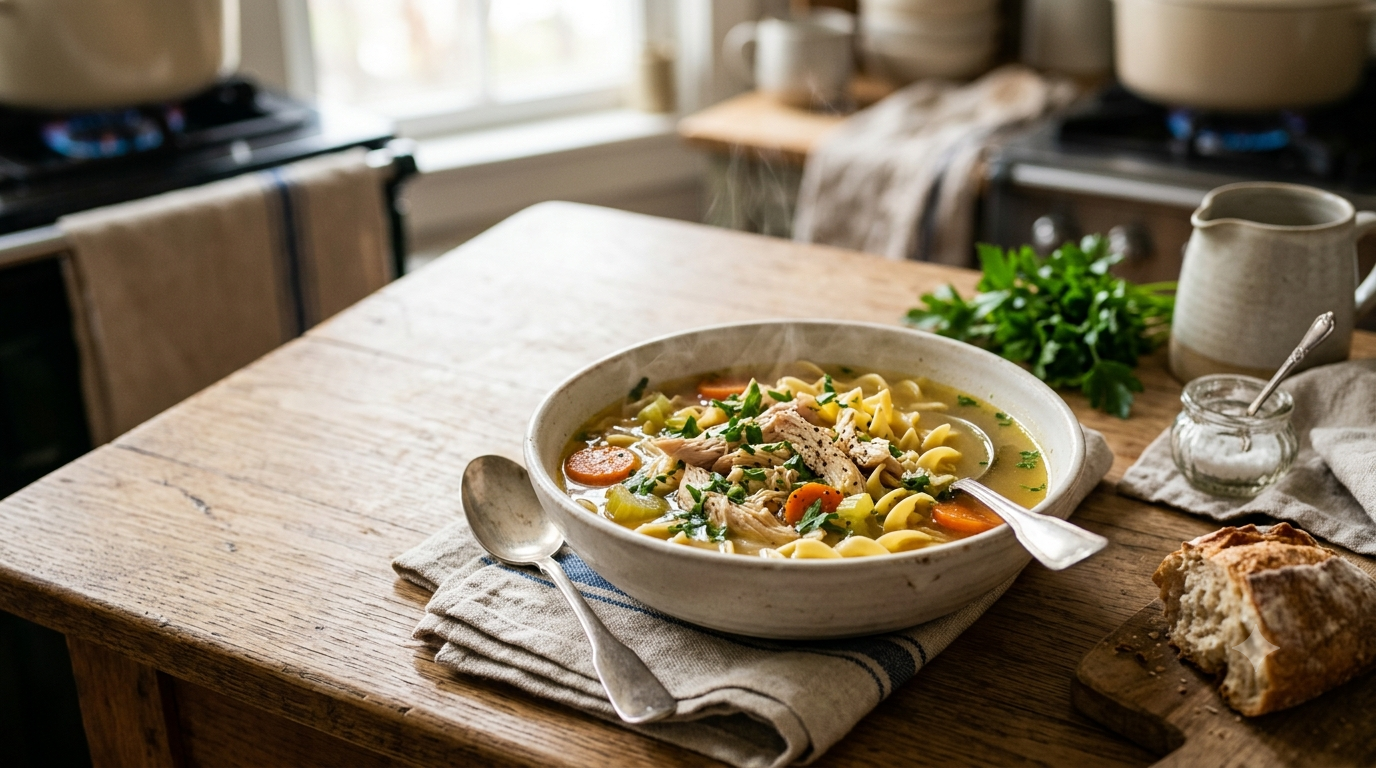
Introduction
A truly delicious Chicken Noodle Soup is all about balance. Every ingredient has an important role, from the vegetables that create the aromatic foundation to the chicken that adds heartiness and the noodles that make the soup satisfying.
The broth brings everything together. It should be flavorful enough to stand on its own while still allowing the chicken, vegetables, and herbs to shine. A good soup should not taste like one ingredient has completely taken over. Instead, every spoonful should offer a combination of savory broth, tender chicken, soft noodles, and vegetables.
This balance is one of the reasons homemade Chicken Noodle Soup can taste so much better than a basic packaged version. When you prepare it yourself, you can control the ingredients, seasoning, texture, and overall richness.
Essential Ingredients for Chicken Noodle Soup
Before starting the recipe, it helps to understand what each ingredient contributes to the finished soup.
Chicken
Chicken is the main protein and one of the most important ingredients. Boneless chicken breasts are convenient and easy to shred, while chicken thighs can provide a richer and more tender texture.
The chicken should be cooked until tender and fully cooked through. Once ready, it can be shredded into smaller pieces or chopped into bite-sized chunks.
Carrots
Carrots add natural sweetness, color, and texture. They become tender as they cook and help balance the savory flavors of the broth.
For an attractive presentation, slice the carrots evenly. You can use rounds, half-moons, or small diced pieces depending on the look you prefer.
Celery
Celery provides a fresh and slightly earthy flavor. It is a classic ingredient in many chicken soup recipes and works particularly well with carrots and onions.
Cut the celery into small, even pieces so that it cooks at a similar rate to the other vegetables.
Onion
Onion creates an important flavor base. Cooking it gently before adding the liquid allows it to soften and become aromatic.
Yellow or white onions can work well, although you can use the variety you prefer.
Garlic
Garlic adds a warm savory note. A small amount can make the broth more flavorful without overpowering the other ingredients.
Freshly minced garlic is particularly useful because it releases its aroma as it cooks.
Broth
The broth is the foundation of the soup. Chicken broth or chicken stock can both be used.
If using a store-bought broth, pay attention to its salt level because some varieties are already heavily seasoned. This allows you to adjust the additional salt more carefully.
Noodles
Egg noodles are a traditional choice, but many other varieties can be used. Choose a noodle that holds its shape well and complements the texture of the soup.
Herbs and Seasonings
Simple herbs can make a major difference. Thyme, parsley, bay leaves, and black pepper are common choices.
You do not need to use every herb at once. A few well-selected seasonings can create a clean and balanced flavor.
Preparing the Ingredients Before Cooking
Good preparation makes the cooking process easier and more organized.
Start by washing and preparing the vegetables. Peel the carrots and cut them into evenly sized pieces. Wash the celery thoroughly and chop it. Peel the onion and dice it into small pieces.
Prepare the garlic by removing the outer skin and finely chopping or mincing it.
If you are using chicken breasts, trim away any unwanted parts and cut the chicken into manageable pieces if necessary. If using pre-cooked chicken, shred or chop it and keep it ready for later.
Measure your broth, noodles, herbs, and seasonings before starting. Having everything prepared means you can focus on cooking rather than searching for ingredients halfway through the process.
Creating a Flavorful Vegetable Base
One of the most important steps is gently cooking the vegetables before adding the broth.
Heat a large soup pot and add a little cooking oil or another suitable cooking fat. Add the onions, carrots, and celery and cook them gently until the onions begin to soften.
This step helps develop the flavor of the soup. Instead of tasting like raw vegetables floating in broth, the vegetables become part of a deeper and more aromatic flavor base.
Add the garlic toward the end of this stage so that it becomes fragrant without burning.
Avoid cooking the garlic for too long over high heat. Burnt garlic can create an unpleasant bitter taste that may affect the entire soup.
Cooking the Chicken Properly
Once the vegetable base is ready, add the chicken and broth according to your chosen method.
The chicken should cook gently rather than being subjected to an aggressive boil. A gentle simmer allows the chicken to become tender while giving the broth time to develop flavor.
Cooking time depends on the size and type of chicken pieces you use. Larger pieces generally require more time than smaller pieces.
Always make sure the chicken reaches a safe internal temperature before serving. If you are unsure, use a food thermometer to check the thickest part of the chicken.
Once the chicken is cooked, carefully remove it from the pot if necessary. Allow it to cool enough to handle, then shred or chop it.
Return the prepared chicken to the soup later in the cooking process so it remains tender.
When to Add the Noodles
Timing the noodles correctly is essential.
If noodles are added too early, they can become overly soft and absorb a large amount of broth. If they are added too late, they may remain undercooked.
Follow the cooking time recommended for the specific noodles you are using, but begin checking them before they become completely soft.
The ideal noodles should be tender while still maintaining enough structure to provide a pleasant bite.
Remember that noodles can continue absorbing liquid even after the soup is removed from the heat. This is especially important if you are preparing the soup in advance.
How to Keep the Broth Delicious
A great broth should be flavorful but not overwhelming.
Start with a good-quality chicken broth and gradually adjust the seasoning. Add salt carefully, especially if the broth already contains salt.
Black pepper can provide mild warmth, while herbs add fragrance and complexity.
If the broth needs more freshness, chopped parsley can help. A small amount of lemon juice may also brighten the flavor, although it is optional and should be added gradually.
Taste the soup near the end of cooking. This final tasting step is important because the flavors can change as the ingredients cook together.
How to Avoid Common Mistakes
There are several simple mistakes that can affect Chicken Noodle Soup.
One common mistake is overcooking the noodles. They can become mushy and make the soup feel overly thick.
Another mistake is adding too much salt at the beginning. Since broth can reduce slightly during cooking, seasoning should be adjusted gradually.
Cooking the soup at an extremely high temperature can also affect the texture of the chicken. A gentle simmer is usually more suitable for tender chicken.
Another issue is cutting vegetables into very different sizes. Small pieces may become soft while large pieces remain firm. Keeping the pieces reasonably consistent helps everything cook evenly.
How to Make a Richer Soup
If you prefer a richer Chicken Noodle Soup, there are several ways to increase its depth of flavor.
Using a flavorful homemade or high-quality chicken broth can provide a stronger foundation.
You can also include additional aromatic vegetables such as garlic and herbs. Slowly cooking the vegetables before adding the liquid helps develop more flavor.
For a heartier version, add extra chicken or vegetables. You can also use slightly more noodles if you want the soup to feel more substantial.
The key is to increase richness without making the soup unnecessarily heavy.
How to Make a Lighter Version
Chicken Noodle Soup can also be kept light and simple.
Use a lean chicken cut, plenty of vegetables, and a clear broth. Choose a reasonable amount of noodles and avoid adding unnecessary heavy ingredients.
Fresh herbs can provide plenty of flavor without making the soup feel rich.
A lighter version can be especially enjoyable when you want a warm meal that does not feel overly filling.
Adding Extra Vegetables
One of the easiest ways to customize Chicken Noodle Soup is by adding additional vegetables.
Peas
Peas provide a little sweetness and a beautiful green color.
Corn
Corn adds sweetness and texture and works well with chicken.
Spinach
Fresh spinach can be added toward the end because it cooks quickly.
Mushrooms
Mushrooms can contribute a savory, earthy flavor and make the soup feel heartier.
Potatoes
Small diced potatoes can make the soup more substantial, although they require additional cooking time.
Adding vegetables is also an easy way to create different versions of the same basic soup while keeping the classic flavor profile.
Fresh Herbs for the Finishing Touch
Fresh herbs can transform the final presentation and flavor.
Parsley is one of the easiest choices because its fresh flavor works beautifully with chicken and vegetables. Add chopped parsley near the end or sprinkle it over individual servings.
Thyme can be used during cooking to infuse the broth with a warm herbal aroma.
Bay leaves can also contribute subtle depth, but remember to remove whole bay leaves before serving.
Making Chicken Noodle Soup for the Family
When preparing soup for several people, use a large enough pot so the ingredients have room to cook evenly.
You can increase the ingredients proportionally, but avoid filling the pot completely to the top. Leave enough space for stirring and simmering.
For family meals, consider serving the soup with bread or crackers on the side. Keep additional herbs and seasonings available so everyone can customize their bowl.
The soup can become a comforting centerpiece for a simple dinner without requiring multiple complicated dishes.
A Classic Recipe That Can Be Made Your Own
The best thing about Chicken Noodle Soup is that there is no single way to make it. The classic combination provides a foundation, but you can adjust it to suit your preferences.
You might prefer extra chicken, more vegetables, fewer noodles, stronger herbs, or a lighter broth. All of these adjustments can create a slightly different version while maintaining the familiar character of the dish.
Once you understand the purpose of each ingredient and the basic cooking process, creating your own favorite version becomes easy.
The Secret to a Truly Flavorful Chicken Noodle Soup
A memorable Chicken Noodle Soup is not simply a combination of chicken, noodles, vegetables, and broth. The best version comes from the way these ingredients are prepared and combined. Small details such as cooking the vegetables properly, choosing the right chicken, seasoning gradually, and adding noodles at the right time can make a noticeable difference.
The goal is to create a broth that tastes rich and balanced, chicken that remains tender, vegetables that are cooked but not mushy, and noodles that have the perfect texture. When these elements come together, every spoonful becomes flavorful and satisfying.
Choosing the Best Chicken for Your Soup
The chicken you choose can influence both the flavor and texture of the finished soup. Boneless chicken breasts are convenient, easy to prepare, and simple to shred. They are a good choice when you want a lighter soup with clean chicken flavor.
Chicken thighs are another excellent option. They tend to remain tender during cooking and can give the soup a richer taste. If you enjoy darker meat, thighs can be an especially delicious choice.
Bone-in chicken can also be used when you want a deeper broth. As the chicken cooks, the bones contribute additional flavor to the liquid. After cooking, the chicken can be removed from the bones, shredded, and returned to the soup.
Whichever chicken you choose, the most important thing is proper cooking. The chicken should be completely cooked before it is served, while avoiding unnecessary overcooking that can make it dry.
Preparing Chicken for Maximum Flavor
Before cooking, prepare the chicken carefully. Remove any unwanted pieces and cut very large pieces into more manageable portions if needed.
If you are using raw chicken, you can cook it directly in the broth. This is a convenient method because the chicken contributes flavor to the liquid as it cooks.
Another approach is to lightly brown the chicken before adding the broth. Browning can create additional savory flavor and give the soup a slightly deeper character.
After the chicken is cooked, allow it to rest briefly before shredding or chopping. Cutting it into bite-sized pieces makes it easier to distribute evenly throughout the soup.
The finished pieces should be small enough to fit comfortably on a spoon alongside the noodles and vegetables.
Building the Perfect Vegetable Base
The vegetable base is one of the most important foundations of a classic Chicken Noodle Soup.
Start with onions, carrots, and celery. These three ingredients create a traditional combination often used as the foundation for chicken soup.
Gently cooking the vegetables before adding the broth allows their flavors to develop. The onions become soft and fragrant, while the carrots and celery begin to release their natural aromas.
Avoid rushing this step. Cooking the vegetables gently for a few minutes can create a much more developed flavor than simply adding raw vegetables directly to the broth.
Garlic can be added toward the end of the vegetable-cooking stage. Because garlic cooks quickly, adding it too early can cause it to brown too much.
How to Cut the Vegetables
The way you cut your vegetables affects both cooking time and presentation.
Carrots can be sliced into thin rounds, half-moons, or small cubes. Celery can be cut into small pieces, while onions can be finely diced.
Try to keep the pieces relatively similar in size. This helps them cook more evenly.
If you want a rustic-looking soup, slightly larger vegetable pieces can create a hearty appearance. For a more refined soup, smaller and more uniform pieces may look better.
The important thing is consistency. Vegetables that are cut too differently may finish cooking at different times.
Selecting a Good Broth
The broth forms the foundation of Chicken Noodle Soup, so choosing a flavorful one is important.
Chicken stock can provide a rich and savory base. Chicken broth is also an excellent option and is often lighter in flavor.
If using packaged broth, check the seasoning level before adding additional salt. Some varieties contain considerable amounts of sodium.
A low-sodium broth gives you more control over the final seasoning because you can gradually add salt according to taste.
Homemade chicken stock can also be used when available. It can provide a particularly rich and comforting flavor.
The Importance of Gentle Simmering
Once the broth and ingredients are in the pot, avoid cooking the soup at an aggressive boil for the entire cooking process.
A gentle simmer is usually better. It allows the chicken to cook gradually and gives the vegetables time to become tender while the flavors blend together.
A very vigorous boil can cause the chicken to become tougher and may cause delicate noodles to break apart.
Keep an eye on the pot and adjust the heat when necessary. The soup should remain hot and gently bubbling rather than violently boiling.
Adding Herbs and Seasonings
Herbs and seasonings can transform a simple broth into a flavorful soup.
Thyme is a classic choice because it adds a warm herbal aroma that pairs beautifully with chicken.
Parsley provides a fresh finishing flavor. It can be added near the end of cooking or sprinkled over individual bowls.
Bay leaves can contribute subtle depth to the broth. If using them, remember to remove them before serving.
Black pepper adds gentle warmth and enhances the savory ingredients.
Season gradually throughout the cooking process rather than adding a large amount of salt at once. Taste the soup near the end and make the final adjustments.
When Should You Add the Noodles?
Adding noodles at the right time is essential for achieving the best texture.
Different noodles require different cooking times, so always consider the instructions for the specific type you are using.
Generally, noodles should be added after the broth and vegetables have developed their flavor and the chicken is cooked or nearly cooked.
Allow the noodles to cook until tender but not excessively soft.
Remember that noodles continue absorbing liquid as they sit. If you expect leftovers, consider slightly undercooking them or cooking them separately.
This is especially useful if you plan to refrigerate the soup and reheat it later.
Preventing Mushy Noodles
Mushy noodles are one of the most common problems with homemade Chicken Noodle Soup.
The easiest way to prevent this is to avoid leaving the noodles in the hot broth for too long.
If you are serving the soup immediately, cook the noodles directly in the broth and serve once they reach the desired texture.
If you are making soup ahead of time, cook the noodles separately. Store them separately from the soup and combine them when serving.
This method keeps the noodles pleasantly firm and prevents them from absorbing excessive broth during storage.
Making the Broth More Aromatic
Aromatic ingredients help create a soup that smells as good as it tastes.
Onion, garlic, celery, carrots, thyme, parsley, and bay leaves can all contribute to the aroma.
Cooking the vegetables first is especially useful because heat releases their natural aromas.
Fresh herbs can also provide a brighter fragrance than dried herbs. However, dried herbs are convenient and can still produce excellent results.
The key is to avoid using too many strong seasonings at once. Chicken Noodle Soup is traditionally appreciated for its clean, balanced flavor.
How to Adjust the Consistency
The ideal consistency depends on personal preference.
If you prefer a brothier soup, use more broth and a moderate amount of noodles and vegetables.
For a heartier soup, increase the amount of chicken, vegetables, or noodles.
If the soup becomes too thick because the noodles absorb too much liquid, simply add additional broth. Warm the soup gently and taste again before adjusting the seasoning.
If the soup seems too thin for your preference, adding more cooked chicken or vegetables can make it more substantial.
Creating Layers of Flavor
One of the best cooking techniques for soup is developing flavor in stages.
Begin with the vegetables. Let them soften and become fragrant.
Add garlic and herbs at the appropriate time.
Then add the chicken and broth, allowing everything to simmer gently.
Finally, add the noodles and finish with fresh herbs and final seasoning.
This layered approach gives the soup more depth than simply adding every ingredient at the same time.
Fresh Ingredients vs. Convenience Ingredients
Fresh vegetables generally provide excellent texture and flavor, but convenience ingredients can also be useful.
Pre-cut vegetables can save preparation time on busy days. Pre-cooked chicken can also be used when you need to prepare soup quickly.
If using leftover cooked chicken, add it toward the end of cooking rather than simmering it for a long period. This helps prevent the chicken from becoming dry.
You can also use leftover roasted chicken to give the soup a slightly different flavor.
Making a Large Batch
Chicken Noodle Soup is well suited to batch cooking.
Prepare a larger quantity when you have time and divide it into portions for future meals.
However, remember that noodles continue absorbing broth after cooking. If you are storing the soup for several days, keeping noodles separate can help maintain a better texture.
Allow the soup to cool appropriately before storing it, and use suitable airtight containers.
When reheating, warm the soup gently and add additional broth if necessary.
Serving Suggestions
A warm bowl of Chicken Noodle Soup can be served on its own, but a few simple side dishes can make the meal even more enjoyable.
Crusty bread is a classic choice because it can be dipped into the flavorful broth.
Garlic toast can provide a stronger savory accompaniment.
Crackers are another simple option and add a pleasant crunch.
For a lighter meal, serve the soup with a fresh green salad.
You can also garnish each bowl with chopped parsley, a little black pepper, or a few fresh herbs.
How to Make Each Bowl Look Beautiful
Presentation may not change the flavor, but it can make the meal more inviting.
Use a deep bowl and ladle in enough broth to surround the chicken, vegetables, and noodles.
Try to distribute the ingredients evenly so every serving contains a little of everything.
Finish with fresh parsley or another suitable herb.
Serve the soup warm and immediately for the best texture.
A simple garnish and thoughtful presentation can turn an everyday homemade soup into a meal that looks restaurant-worthy while remaining easy to prepare.
Customizing the Soup for Your Family
Every family has different preferences, which makes Chicken Noodle Soup especially easy to customize.
If someone prefers extra vegetables, increase the carrots and celery.
If you want more protein, add additional chicken.
For noodle lovers, use a little more noodles while keeping enough broth to maintain the desired consistency.
You can also adjust the herbs and pepper to create a stronger or milder flavor.
The basic recipe provides a reliable foundation, while these small adjustments allow you to create a version that feels completely your own.
Final Thoughts on Creating the Perfect Bowl
The best Chicken Noodle Soup does not require complicated techniques. It depends on thoughtful preparation, good ingredients, balanced seasoning, and careful timing.
Choose flavorful chicken, prepare the vegetables evenly, build the broth gradually, cook the chicken until tender, and add the noodles at the right time.
Pay attention to texture as well as flavor. The vegetables should be tender without becoming completely mushy, the chicken should remain juicy and easy to bite, and the noodles should be cooked but not overly soft.
Once these simple principles become familiar, you can confidently prepare Chicken Noodle Soup whenever you want a warm and satisfying homemade meal.
Step-by-Step Guide to Making Homemade Chicken Noodle Soup
Making Chicken Noodle Soup at home is a rewarding experience because the process allows every ingredient to contribute its own flavor. Although the recipe is simple, following each stage carefully can help you create a soup with a delicious broth, tender chicken, perfectly cooked vegetables, and noodles with just the right texture.
The most important thing is not to rush the process. Allow the ingredients to cook properly and taste the broth along the way. This gives you more control over the final result.
Step 1: Prepare Everything Before Cooking
Before turning on the stove, prepare all your ingredients.
Wash the vegetables thoroughly and prepare them according to the recipe. Peel and slice the carrots, chop the celery, dice the onion, and mince the garlic.
Prepare the chicken as well. If you are using raw chicken, make sure it is ready to cook. If you are using cooked chicken, shred or chop it into bite-sized pieces.
Measure your broth, noodles, herbs, and seasonings.
Having everything prepared beforehand makes cooking easier and prevents you from having to stop halfway through the recipe.
Step 2: Cook the Aromatic Vegetables
Place a large soup pot over medium heat and add a small amount of cooking oil.
Add the chopped onion, carrots, and celery. Stir occasionally and allow them to cook gently.
The onion should become soft and fragrant, while the carrots and celery should begin to soften slightly.
This stage creates the flavor foundation for the soup. Do not rush it by using extremely high heat.
Once the vegetables have started to soften, add the minced garlic. Cook briefly until fragrant.
Be careful not to burn the garlic because burnt garlic can introduce a bitter flavor.
Step 3: Add the Chicken and Broth
Add the chicken to the pot along with the chicken broth.
Stir gently to combine the ingredients.
Bring the liquid to a gentle simmer. Once it begins simmering, reduce the heat if necessary.
The chicken should cook gradually in the flavorful broth.
As the chicken cooks, its flavor blends into the liquid, creating a more satisfying soup.
Step 4: Allow the Chicken to Become Tender
Continue simmering until the chicken is fully cooked and tender.
The exact cooking time will depend on the type and size of chicken pieces being used.
Avoid relying only on appearance when checking whether chicken is done. If possible, use a food thermometer to confirm that the chicken has reached a safe internal temperature.
Once cooked, carefully remove the chicken from the pot.
Allow it to rest briefly before shredding or chopping it.
Step 5: Shred or Chop the Chicken
When the chicken is cool enough to handle, use two forks to shred it into small pieces.
You can also chop it into bite-sized cubes if you prefer larger pieces.
Shredded chicken distributes nicely throughout the soup, allowing almost every spoonful to contain chicken.
If you prefer a chunkier soup, keep the pieces slightly larger.
Return the prepared chicken to the pot once the noodles are ready or nearly ready.
Step 6: Add the Noodles
Now it is time to add the noodles.
Choose your preferred variety, such as traditional egg noodles or another small pasta shape.
Add the noodles according to the cooking time recommended for your chosen variety.
Stir gently so the noodles do not stick together.
Keep the soup at a gentle simmer and check the noodles regularly.
The ideal noodles should be tender but should still have enough structure to hold their shape.
Step 7: Season the Soup
Once the main ingredients are cooked, taste the broth.
This is the perfect time to adjust the seasoning.
Add salt gradually if needed. Add black pepper for a little warmth and herbs for additional aroma.
If using fresh parsley, add it near the end so its fresh flavor remains noticeable.
Do not add large amounts of seasoning without tasting first. The broth, chicken, and vegetables may already provide plenty of flavor.
Step 8: Finish the Soup
Once the noodles have reached the desired texture and the chicken is warm throughout, turn off the heat.
Remove any bay leaves or other whole herbs used during cooking.
Taste the soup one final time.
If necessary, make small adjustments to salt, pepper, herbs, or broth.
Let the soup rest briefly before serving. This allows the flavors to settle together.
Understanding the Right Soup Texture
A perfect Chicken Noodle Soup should have a pleasant balance between broth and solid ingredients.
There should be enough broth to move easily around the chicken, vegetables, and noodles.
The soup should not be so thick that it resembles a noodle casserole, but it also should not contain so much liquid that the other ingredients become difficult to find.
If your noodles absorb a lot of broth, add more warm chicken broth before serving.
This simple adjustment can restore the consistency.
How to Get Tender Chicken Every Time
Tender chicken is one of the highlights of a good Chicken Noodle Soup.
Avoid cooking the chicken at an extremely high temperature for an extended period.
A gentle simmer generally provides better results.
The size of the chicken pieces also matters. Very large pieces take longer to cook, while smaller pieces cook more quickly.
Once the chicken is completely cooked, avoid leaving it simmering unnecessarily.
If you are using pre-cooked chicken, add it near the end simply to warm it through.
How to Keep Vegetables from Becoming Mushy
Vegetable texture can make a big difference.
Carrots and celery should become tender but still retain enough structure to provide a pleasant bite.
If you prefer firmer vegetables, cut them slightly larger or add them at different stages according to how quickly they cook.
For delicate vegetables such as spinach or peas, add them near the end.
This helps maintain their color, texture, and fresh flavor.
Adding Different Vegetables
Chicken Noodle Soup is flexible enough to accommodate many vegetables.
Green Peas
Peas add sweetness and a bright green color. They cook quickly, so they are best added toward the end.
Sweet Corn
Corn adds a pleasant sweetness and texture. It can be fresh, frozen, or another suitable form.
Spinach
Spinach cooks very quickly. Add it during the final minutes so it does not become overly soft.
Mushrooms
Mushrooms provide an earthy, savory flavor. Sautéing them briefly before adding them can deepen their flavor.
Potatoes
Potatoes can turn the soup into a more substantial meal. Cut them into small, even pieces so they cook evenly.
Using Different Types of Noodles
Egg noodles are traditional, but you can experiment with different varieties.
Small pasta shapes can create a fun texture and appearance.
Thin noodles cook quickly and work well when you want a lighter soup.
Whole-grain noodles can provide a heartier texture.
If using noodles that require a longer cooking time, consider cooking them separately and adding them to individual bowls.
This gives you better control over texture, particularly when serving the soup later.
How to Make the Soup Ahead of Time
Chicken Noodle Soup can be prepared ahead, but noodles require special attention.
The broth, chicken, and vegetables can be prepared in advance and refrigerated appropriately.
When you are ready to serve, reheat the soup gently and add freshly cooked noodles.
This method helps keep the noodles from becoming overly soft.
If you already cooked the noodles in the soup, you may need to add extra broth when reheating because the noodles will have absorbed some of the liquid.
Storing Leftover Chicken Noodle Soup
Leftover soup should be transferred into suitable airtight containers and refrigerated promptly.
Keeping the soup properly stored helps maintain its quality.
For the best texture, consider storing noodles separately whenever possible.
When reheating, warm only the amount you plan to eat.
Add a little extra broth if the soup has become thicker after refrigeration.
Always check leftovers before eating and follow safe food-storage practices.
Reheating the Soup
Reheat the soup gently on the stovetop or using another suitable method.
If the broth has thickened, add a small amount of additional chicken broth or water.
Stir occasionally and heat until the soup is thoroughly warmed.
Avoid overheating for an unnecessarily long period because this can affect the texture of the chicken and noodles.
Making a Cozy Dinner
Chicken Noodle Soup can easily become the centerpiece of a cozy dinner.
Serve it with warm bread, a simple salad, roasted vegetables, or crackers.
For a casual family meal, place bowls, spoons, garnishes, and bread on the table so everyone can serve themselves.
A simple soup can feel especially inviting when served warm in attractive bowls with fresh herbs sprinkled on top.
Easy Ways to Add More Flavor
If you want to experiment with the flavor, consider adding small amounts of ingredients rather than changing the entire recipe.
Fresh parsley can add brightness.
Thyme can provide herbal depth.
A little black pepper can create warmth.
Garlic can strengthen the savory character.
A small amount of lemon juice can brighten the finished broth.
The key is moderation. Chicken Noodle Soup is known for its comforting, balanced flavor, so additional ingredients should complement rather than overpower the classic combination.
A Soup for Every Season
Although Chicken Noodle Soup is especially comforting during cooler weather, it can be enjoyed throughout the year.
In colder months, a warm bowl can create a cozy feeling at dinner.
During warmer months, a lighter version with extra vegetables and a clear broth can still be enjoyable.
You can adjust the amount of noodles and vegetables according to the season and your preference.
Why Homemade Soup Is Worth the Effort
Preparing Chicken Noodle Soup at home gives you complete control over the ingredients.
You can choose the chicken you like, select fresh vegetables, control the amount of salt, and adjust the consistency.
You can also make enough for several servings, making homemade soup a practical choice for family meals.
Most importantly, homemade cooking allows you to create food that matches your personal taste.
Once you master the basic method, Chicken Noodle Soup becomes an easy recipe you can return to whenever you want something warm, comforting, and satisfying.
Essential Tips for Making the Best Chicken Noodle Soup
Making a good Chicken Noodle Soup is fairly simple, but a few thoughtful techniques can take the final result from ordinary to truly delicious. The secret is paying attention to the small details: the quality of the broth, the way the vegetables are prepared, the cooking temperature, the timing of the noodles, and the final seasoning.
A soup should feel balanced from the first spoonful to the last. The broth should be flavorful without being too salty, the chicken should be tender, the vegetables should retain some texture, and the noodles should be soft without becoming mushy.
1. Start With a Flavorful Broth
The broth is the foundation of the entire soup, so it deserves special attention.
A flavorful chicken broth can immediately give the soup a delicious base. If you are using store-bought broth, choose one with a flavor you enjoy and check its sodium level before adding additional salt.
If you have homemade chicken stock available, it can provide an especially rich and comforting flavor.
You can also improve a basic broth by simmering it with aromatic ingredients such as onion, celery, garlic, carrots, thyme, and bay leaves.
2. Do Not Rush the Vegetables
Cooking the vegetables gently before adding the broth is an important step.
Allow the onions, carrots, and celery to soften gradually. This helps release their natural flavors and creates a more aromatic foundation.
Cooking over extremely high heat can cause the vegetables or garlic to brown too quickly. Medium or medium-low heat is usually more appropriate for this stage.
The goal is to soften and develop flavor rather than heavily brown the vegetables.
3. Season Gradually
Seasoning gradually gives you more control.
Start with a moderate amount of seasoning, allow the soup to cook, and taste it later.
The broth may already contain salt, and the chicken and vegetables will contribute additional flavor.
Near the end of cooking, taste the soup and adjust it carefully.
This approach helps prevent over-seasoning and gives you a better opportunity to create a balanced broth.
4. Use Fresh Herbs When Possible
Fresh herbs can provide a beautiful finishing touch.
Fresh parsley is especially useful because it adds a clean, fresh flavor and attractive color.
Thyme can be used during cooking to create a deeper herbal aroma.
If you use bay leaves, remember to remove them before serving.
Fresh herbs do not need to be used in large quantities. A small amount can make the soup feel brighter and more flavorful.
5. Cut Ingredients Into Similar Sizes
Consistent cutting helps ingredients cook evenly.
If some carrot pieces are extremely large while others are tiny, the smaller pieces may become soft long before the larger ones are ready.
Try to keep carrots, celery, and other vegetables reasonably uniform.
This also makes the finished soup look more attractive.
6. Avoid Overcooking the Chicken
Chicken should be fully cooked, but it does not need to remain in the pot for longer than necessary.
Once it reaches a safe internal temperature and becomes tender, remove it if appropriate and shred or chop it.
Returning shredded chicken toward the end can help preserve its texture.
If using leftover cooked chicken, simply warm it through rather than simmering it for a long period.
7. Cook Noodles Carefully
Noodles are one of the easiest ingredients to overcook.
Add them according to the cooking time of the variety you are using.
Check them before the recommended time has completely passed because cooking conditions can vary.
The noodles should be tender while still holding their shape.
If you plan to store leftovers, consider cooking the noodles separately.
8. Keep Extra Broth Available
It is useful to keep a little additional broth available when making Chicken Noodle Soup.
Noodles absorb liquid as they cook and continue absorbing it after the soup is finished.
If the soup becomes too thick, simply add additional warm broth.
Taste again after adding it because extra broth may dilute the seasoning.
9. Taste Before Serving
Never skip the final taste test.
Take a small spoonful and check the balance of salt, pepper, herbs, broth, and overall flavor.
If it tastes too mild, make small adjustments.
If it tastes too salty, adding more unsalted broth or additional vegetables can help balance the soup.
A final tasting step allows you to correct small issues before serving.
10. Give the Soup a Fresh Finish
A simple garnish can make the soup feel more polished.
Fresh parsley is an easy choice.
You can also add a small amount of freshly ground black pepper.
If desired, a tiny splash of lemon juice can brighten the broth. Add it gradually and taste as you go.
The goal is to enhance the existing flavor rather than change the classic character of the soup.
Common Chicken Noodle Soup Mistakes to Avoid
Adding Noodles Too Early
This is one of the most common problems. Noodles can become overly soft and absorb too much broth.
Add them at the appropriate stage and monitor their texture.
Using Too Much Salt
Adding too much salt at the beginning can make the final broth unpleasantly salty.
Season gradually and taste near the end.
Boiling the Soup Too Aggressively
A strong boil can affect the texture of chicken and delicate vegetables.
A gentle simmer is usually a better approach.
Cutting Vegetables Unevenly
Very different sizes can result in uneven cooking.
Try to keep pieces similar in size.
Ignoring the Broth
Because broth makes up such a large part of the dish, weak broth can result in a bland soup.
Use a flavorful broth and build additional flavor with vegetables, herbs, and careful seasoning.
How to Make a More Traditional Version
If you want a classic-style Chicken Noodle Soup, keep the ingredients simple.
Use chicken, carrots, celery, onion, garlic, chicken broth, noodles, and traditional herbs.
Avoid adding too many strong ingredients that might overpower the familiar chicken-and-broth flavor.
The beauty of a traditional version is its simplicity.
A few quality ingredients can create a delicious result when they are prepared properly.
How to Make a Heartier Version
For a more filling meal, increase the amount of chicken and vegetables.
You can also add additional noodles or include diced potatoes.
Serve the soup with hearty bread for an even more substantial dinner.
A heartier version is especially useful when you want the soup to function as the main course rather than a starter.
How to Make a Vegetable-Loaded Version
If you enjoy vegetables, Chicken Noodle Soup is an excellent base for adding more.
Increase the amount of carrots and celery or include peas, corn, spinach, mushrooms, or other suitable vegetables.
Be mindful of cooking times. Add firm vegetables earlier and delicate vegetables later.
This keeps the final soup colorful and prevents softer vegetables from becoming overly cooked.
How to Make a Simple Weeknight Version
For busy evenings, simplify the process.
Use pre-cut vegetables, store-bought broth, and leftover cooked chicken.
Cook the vegetables briefly, add the broth, add the chicken, and finish with noodles and seasonings.
This approach can significantly reduce preparation time while still producing a comforting homemade meal.
The result may not require hours of cooking, but careful seasoning and proper timing can still make it delicious.
How to Make the Soup More Aromatic
Aromatic ingredients can make the entire kitchen smell wonderful.
Onions, garlic, celery, carrots, thyme, and parsley all contribute to the aroma.
Cooking the vegetables before adding the broth allows their aromas to develop.
Fresh herbs added toward the end can provide a bright final fragrance.
Aromatic flavor is especially important because the smell of food influences how we experience the meal.
How to Create a Balanced Bowl
Every serving should contain a good mixture of ingredients.
Instead of filling bowls mostly with noodles or mostly with broth, try to distribute the chicken and vegetables evenly.
This ensures that every spoonful provides a combination of textures.
A balanced bowl also looks more appealing.
Garnish with a little fresh parsley and serve immediately while the soup is warm.
Pairing Chicken Noodle Soup With Bread
Bread is one of the easiest side dishes for Chicken Noodle Soup.
Crusty bread provides a pleasant contrast to the soft noodles and tender vegetables.
Toasted bread adds a little crunch.
Garlic bread can introduce an additional savory flavor.
For a simple family dinner, even a basic slice of warm bread can make the meal feel complete.
Making Soup for Guests
Chicken Noodle Soup can also be served when entertaining guests.
Prepare the broth and chicken ahead of time, then add the noodles closer to serving.
This helps maintain their texture.
Set out bowls, spoons, fresh herbs, and bread so guests can serve themselves.
A large pot of homemade soup creates a welcoming atmosphere without requiring complicated presentation.
Simple Garnish Ideas
A few garnishes can make each bowl look more inviting.
Try:
- Fresh chopped parsley
- A small sprinkle of black pepper
- Fresh thyme leaves
- A few thinly sliced green onions
- A light squeeze of lemon
Choose one or two rather than adding everything at once.
The garnish should complement the soup rather than overpower it.
Making Chicken Noodle Soup Your Signature Recipe
Once you understand the basic recipe, you can begin developing your own signature version.
Maybe you prefer extra carrots and celery.
Perhaps you enjoy a stronger garlic flavor.
You might prefer wide egg noodles instead of thin noodles.
You could also experiment with different herbs.
These small personal touches can turn a classic recipe into something your family associates with your kitchen.
Final Thoughts on Cooking With Confidence
The most important part of making Chicken Noodle Soup is understanding that cooking does not need to be complicated.
Use quality ingredients, build flavor gradually, pay attention to cooking times, and taste your soup before serving.
If something does not turn out perfectly the first time, you can easily adjust the next batch.
With practice, you will become more comfortable judging the texture of the vegetables, the tenderness of the chicken, the doneness of the noodles, and the seasoning of the broth.
That confidence is what turns a simple recipe into a reliable homemade favorite.
Chicken Noodle Soup Variations for Every Taste
One of the best things about Chicken Noodle Soup is how easy it is to customize. The classic combination of chicken, vegetables, noodles, and broth is already delicious, but you can make small changes to create completely different versions of the same comforting dish.
Whether you prefer a traditional soup, a vegetable-packed bowl, a richer broth, or a lighter variation, there are countless ways to make Chicken Noodle Soup your own.
Classic Homemade Chicken Noodle Soup
The classic version keeps the ingredient list simple and focuses on traditional flavors.
Tender chicken is combined with carrots, celery, onion, garlic, noodles, chicken broth, and herbs. The vegetables create the aromatic base, while the chicken adds richness and the noodles provide a satisfying texture.
This version is perfect when you want the familiar taste of a traditional homemade soup.
The simplicity is what makes it special. There are no complicated ingredients competing for attention, allowing the chicken and broth to remain the stars of the dish.
Creamy Chicken Noodle Soup
For a richer and creamier variation, you can transform the traditional broth into a creamy soup.
A creamy version can be made by incorporating milk, cream, or another suitable creamy ingredient near the end of cooking.
The creamy broth pairs beautifully with chicken, carrots, celery, and noodles.
Because creamy soups can become thicker as they cool, you may need to adjust the consistency with additional broth when reheating.
This version is especially appealing when you want something extra comforting and rich.
Chicken Vegetable Noodle Soup
If you love vegetables, increase the variety in your soup.
Along with carrots, celery, and onions, you can add peas, corn, spinach, mushrooms, or other vegetables.
Each vegetable contributes its own texture and flavor.
For the best results, add vegetables according to their cooking times. Firm vegetables should be added earlier, while delicate vegetables such as spinach should be added near the end.
The result is a colorful, hearty soup with plenty of texture.
Garlic Herb Chicken Noodle Soup
Garlic and herbs can create a more aromatic version of the classic recipe.
Use fresh garlic along with herbs such as thyme, parsley, or rosemary in moderation.
The garlic adds savory depth, while the herbs create a fragrant broth.
Fresh parsley can be added at the end for brightness.
This variation is ideal when you enjoy a stronger herbal flavor while still wanting to maintain the comforting character of Chicken Noodle Soup.
Lemon Chicken Noodle Soup
A small amount of lemon can brighten the flavor of the broth.
Add lemon juice gradually near the end of cooking and taste before adding more.
The acidity can balance the richness of the chicken and make the soup taste fresher.
Fresh parsley and a little black pepper work particularly well with this variation.
The lemon should complement the broth rather than dominate it.
Spicy Chicken Noodle Soup
If you enjoy a little heat, you can add mild chili flakes, fresh chili, or another suitable spicy ingredient.
Start with a small amount and adjust according to your preference.
The spice should add warmth without completely covering the flavor of the chicken and vegetables.
A little black pepper can also contribute gentle heat.
Chicken Noodle Soup With Mushrooms
Mushrooms add a savory, earthy quality to the soup.
Slice them evenly and cook them with the other vegetables or sauté them briefly before adding the broth.
Mushrooms pair particularly well with chicken and herbs.
This variation is a good choice when you want a more savory and substantial bowl.
Chicken Noodle Soup With Spinach
Spinach can be added during the final stage of cooking.
Because spinach cooks quickly, it does not need much time in the hot broth.
The leaves soften naturally and add a fresh green color to the soup.
This is an easy way to add another vegetable without significantly changing the basic recipe.
Chicken Noodle Soup With Corn
Sweet corn adds color, texture, and a naturally sweet flavor.
Fresh or frozen corn can be incorporated into the soup.
Corn pairs nicely with chicken and carrots because all three ingredients contribute a subtle sweetness.
For a colorful presentation, combine corn with carrots, celery, and fresh parsley.
Chicken Noodle Soup With Potatoes
Potatoes can make the soup more filling.
Cut them into small cubes so that they cook evenly.
Add them early enough to become tender, but avoid overcooking them to the point where they completely break apart.
Potatoes absorb some of the broth, so you may need to add additional liquid if the soup becomes too thick.
Chicken Noodle Soup With Homemade Noodles
If you enjoy making food from scratch, homemade noodles can take the soup to another level.
Fresh noodles have a different texture from packaged varieties and can make the soup feel especially homemade.
Because fresh noodles may cook quickly, monitor them carefully.
Add them closer to the end of the cooking process and remove the soup from the heat once they reach the desired texture.
Chicken Noodle Soup With Different Pasta Shapes
You do not have to use traditional noodles.
Small pasta shapes can create a fun and family-friendly variation.
Rotini, small shells, broken spaghetti, or other pasta shapes can all work depending on your preference.
Different shapes absorb broth differently, so adjust the cooking time and liquid as necessary.
Gluten-Free Chicken Noodle Soup
For a gluten-free version, choose noodles specifically labeled and suitable for a gluten-free diet.
Rice noodles or other appropriate alternatives can provide a delicious texture.
Be sure to check all packaged ingredients, including broth and seasonings, if gluten avoidance is important.
The remaining ingredients can stay similar to the classic version.
Low-Sodium Chicken Noodle Soup
If you want greater control over sodium, use a low-sodium broth and season the soup gradually.
Fresh herbs, garlic, onions, black pepper, and vegetables can add plenty of flavor without relying entirely on salt.
Taste the soup before adding additional seasoning.
A flavorful broth does not have to depend on heavy salting.
Extra-Chicken Version
For people who enjoy a protein-rich and hearty soup, simply increase the amount of chicken.
Shredded chicken distributes easily throughout the broth and ensures that every serving contains a satisfying amount.
This variation is especially useful when serving the soup as a main meal.
Noodle-Free Chicken Soup
If you want the flavor of Chicken Soup without noodles, simply leave them out and increase the amount of vegetables.
Carrots, celery, spinach, mushrooms, peas, and other vegetables can make the soup substantial without pasta.
You can also serve the broth and chicken with a side of bread.
Chicken Soup With Rice
Rice can be used instead of noodles.
Cooked rice can be added toward the end, while uncooked rice should be added early enough to cook properly in the broth.
Rice absorbs liquid, so keep additional broth available.
This creates a comforting alternative while maintaining the classic chicken-and-broth foundation.
Asian-Inspired Chicken Noodle Soup
You can create a different flavor profile by incorporating ingredients commonly used in Asian-style soups.
Depending on your preferences, ingredients such as ginger, green onions, garlic, sesame oil, or suitable noodles can provide a different aromatic character.
The chicken and broth remain at the center, but the seasonings create a completely new experience.
Keep the flavors balanced so that no single ingredient overwhelms the soup.
Herb-Forward Chicken Noodle Soup
If you love fresh herbs, increase the variety and amount carefully.
Parsley, thyme, dill, and green onions can provide different layers of freshness.
Add delicate herbs near the end of cooking to preserve their aroma.
This variation can taste especially fresh and vibrant.
Chicken Noodle Soup With Roasted Chicken
Leftover roasted chicken can give the soup a deeper and slightly different flavor.
Shred the cooked chicken and add it near the end of cooking.
Because the chicken is already cooked, it only needs to warm through.
This is also an excellent way to transform leftovers into a completely new meal.
Chicken Noodle Soup With Leftover Vegetables
Chicken Noodle Soup can be a practical way to use leftover vegetables.
Cooked carrots, peas, corn, spinach, or other suitable vegetables can be added during the final stage.
This reduces food waste and creates a convenient meal.
Make sure the vegetables are properly stored and still suitable for use before adding them to the soup.
How to Choose the Right Variation
Choose your variation based on the type of meal you want.
For a traditional family dinner, classic Chicken Noodle Soup is an excellent choice.
For something richer, try a creamy version.
For a vegetable-packed meal, increase the vegetables.
For a brighter flavor, add lemon and fresh herbs.
For a little heat, create a spicy variation.
For a completely different flavor direction, experiment with ginger, green onions, and other aromatic ingredients.
Creating Your Own Signature Combination
You can also combine several variations.
For example, chicken, mushrooms, spinach, garlic, thyme, and noodles can create a savory and aromatic soup.
Chicken, corn, carrots, peas, and noodles can create a colorful and slightly sweet version.
Chicken, lemon, parsley, and vegetables can create a fresh-tasting soup.
The possibilities are extensive because the basic recipe is so adaptable.
Tips for Experimenting With Flavors
When trying a new variation, change only a few things at a time.
This helps you understand how each ingredient affects the final soup.
Start with a small amount of a new seasoning, taste the broth, and gradually increase it if necessary.
Remember that herbs and spices can become stronger as they cook, so moderation is useful.
The goal is to create a variation that still feels balanced.
Why Variations Keep This Recipe Interesting
A classic recipe becomes even more useful when you can adapt it.
Instead of making exactly the same soup every time, you can change the vegetables, noodles, herbs, or broth.
This allows Chicken Noodle Soup to fit different meals, seasons, and preferences.
The basic method remains familiar while the final flavor can be completely different.
That flexibility is one of the reasons this soup deserves a permanent place in your recipe collection.
Final Thoughts on Chicken Noodle Soup Variations
Chicken Noodle Soup is not limited to one specific combination of ingredients. The traditional recipe provides a delicious starting point, but there is plenty of room for creativity.
You can make it creamy, spicy, vegetable-packed, lemony, herb-filled, noodle-free, rice-based, or inspired by other cuisines.
The most important thing is to maintain balance. Chicken, broth, vegetables, noodles, and seasonings should work together rather than compete.
Once you understand the basic technique, creating new versions becomes simple and enjoyable.
How to Serve Chicken Noodle Soup for the Perfect Meal
Serving Chicken Noodle Soup is just as important as preparing it. A warm bowl filled with tender chicken, colorful vegetables, soft noodles, and flavorful broth can become a complete and satisfying meal when paired with the right sides and presented thoughtfully.
Whether you are serving the soup for a casual family dinner, a weekend lunch, a cozy gathering, or a special homemade meal, a few simple serving ideas can make the experience even better.
The Best Way to Serve Chicken Noodle Soup
Chicken Noodle Soup is best served warm, shortly after the noodles have reached their ideal texture.
Use deep bowls that can comfortably hold both the broth and solid ingredients. Ladle the soup carefully, making sure each bowl receives a balanced amount of chicken, noodles, vegetables, and broth.
A simple garnish of freshly chopped parsley can add a beautiful finishing touch. A small sprinkle of black pepper can also enhance the appearance and flavor.
Serve the soup immediately while it is warm and aromatic.
Choosing the Right Bowl
The bowl you choose can make the soup look more inviting.
A deep ceramic bowl works particularly well because it holds plenty of broth while keeping the ingredients together.
For a casual meal, simple everyday bowls are perfectly suitable.
For guests, you can use attractive serving bowls and garnish each portion individually.
Avoid filling bowls too close to the top. Leaving a little space makes the soup easier to carry and eat.
How to Create a Beautiful Presentation
Presentation does not need to be complicated.
Start by making sure the soup contains a colorful mixture of ingredients. Bright carrots, green herbs, pale noodles, and tender chicken naturally create an attractive appearance.
After ladling the soup into bowls, add a small amount of fresh parsley.
You can also add a little freshly ground black pepper.
If you are serving a lemon variation, a thin lemon slice on the side can provide a simple decorative touch.
The goal is to make the soup look fresh and inviting without unnecessary decoration.
Best Bread to Serve With Chicken Noodle Soup
Bread is one of the most popular accompaniments for Chicken Noodle Soup.
Crusty Bread
A crusty loaf provides a satisfying contrast to the soft texture of the soup.
The bread can also be dipped into the flavorful broth.
Garlic Bread
Garlic bread adds an extra savory flavor and works particularly well with richer versions of the soup.
Dinner Rolls
Soft dinner rolls are a simple choice for family meals.
They can be served warm and are easy to enjoy alongside the soup.
Toasted Bread
Lightly toasted bread adds crunch and can make a simple bowl of soup feel more complete.
Serving Chicken Noodle Soup With Crackers
Crackers are another easy side option.
They add crunch and can be crumbled directly into the soup if desired.
Keep a small bowl of crackers on the table so everyone can add as many as they like.
This is particularly convenient for casual lunches and family dinners.
Adding a Fresh Salad
A simple fresh salad can provide a pleasant contrast to warm soup.
Use crisp lettuce, cucumber, tomatoes, carrots, or other vegetables you enjoy.
A light dressing works well because it does not compete with the flavor of the Chicken Noodle Soup.
The combination of warm soup and cool, crisp salad creates a balanced meal.
Serving Soup as a Starter
Chicken Noodle Soup does not always need to be the main course.
A smaller portion can be served as a starter before a larger meal.
In this case, use smaller bowls and slightly reduce the amount of noodles and chicken per serving.
A light garnish of fresh herbs can make the starter look elegant.
Serving Soup as a Main Course
For a main meal, make the soup heartier by including plenty of chicken, vegetables, and noodles.
Serve it with bread or another simple side dish.
A larger bowl provides a satisfying portion and can make the soup the centerpiece of dinner.
Family-Style Serving
For family meals, place the soup in a large serving pot or soup tureen.
Put bowls, spoons, garnishes, and bread on the table.
Everyone can serve themselves and customize their bowl.
You can provide additional black pepper, fresh herbs, or lemon wedges for those who want to adjust the flavor.
This relaxed serving style works especially well for casual dinners.
Serving Chicken Noodle Soup to Guests
When serving guests, preparation ahead of time can make the experience easier.
Prepare the broth, chicken, and vegetables in advance.
Cook the noodles close to serving time to maintain their texture.
Keep the soup warm and add the final herbs just before serving.
Use attractive bowls and garnish each portion individually.
A simple presentation can create a welcoming and homemade dining experience.
How to Keep Soup Warm Before Serving
If the soup is not being served immediately, keep it warm over low heat.
Avoid allowing it to boil continuously because prolonged high heat can affect the texture of the chicken and noodles.
If possible, keep the noodles separate until serving.
This is especially helpful when preparing soup for several people.
Serving Noodles Separately
For the best texture when serving a large group, consider cooking the noodles separately.
Place a portion of noodles into each bowl and ladle the hot chicken soup over them.
This prevents the noodles from sitting in the broth for too long.
It also allows you to control how many noodles each person receives.
This technique is particularly useful for meal preparation and entertaining.
Garnish Ideas for Chicken Noodle Soup
A garnish can make the finished bowl look more appealing.
Some simple choices include:
- Fresh parsley
- Fresh thyme
- Thinly sliced green onions
- A small amount of black pepper
- A light squeeze of lemon
- A few fresh herbs
Choose garnishes that match the flavor of your soup.
For a classic version, parsley is usually enough.
For a brighter version, lemon and herbs can work beautifully.
Making Individual Bowls Special
If you are serving your family, you can personalize each bowl.
One person might prefer extra chicken, while another might enjoy additional noodles or vegetables.
Keep garnishes and optional toppings on the table so everyone can adjust their serving.
This makes the meal interactive without requiring complicated preparation.
How Much Soup to Serve
The appropriate serving size depends on whether the soup is being served as a starter or main course.
For a starter, use a smaller portion.
For a main meal, serve a larger bowl with a good balance of chicken, vegetables, noodles, and broth.
If serving bread or salad alongside the soup, you may not need an extremely large portion.
The goal is to create a satisfying meal without making the bowl difficult to handle.
Best Drinks to Pair With Chicken Noodle Soup
A simple drink can complement the meal without overpowering the soup.
Water is always a suitable choice.
For a refreshing option, you can serve sparkling water with lemon.
Unsweetened iced tea or another light beverage can also work well.
Choose drinks with relatively mild flavors so that the taste of the soup remains the focus.
Making Chicken Noodle Soup Part of a Cozy Dinner
Chicken Noodle Soup naturally creates a comforting atmosphere.
Serve it with warm bread, simple side dishes, and a fresh garnish.
Use warm lighting and comfortable table settings if you are preparing a relaxed evening meal.
The soup itself does much of the work because its aroma and warmth make the meal feel inviting.
Serving During Colder Weather
Chicken Noodle Soup is particularly enjoyable during cool weather.
Serve it steaming warm with crusty bread or toasted rolls.
A hearty version with extra chicken and vegetables can create a satisfying cold-weather meal.
Fresh herbs added just before serving provide a bright contrast to the warm broth.
Serving During Warmer Weather
You can also enjoy a lighter version during warmer months.
Use a clear broth, plenty of vegetables, moderate noodles, and fresh herbs.
Serve a smaller portion alongside a crisp salad.
The result is lighter while still maintaining the comforting character of Chicken Noodle Soup.
How to Serve Leftover Soup
When serving leftovers, reheat only the amount you plan to eat.
If the noodles have absorbed much of the broth, add additional chicken broth.
Taste the soup again after reheating and adjust the seasoning if necessary.
Add fresh parsley just before serving to restore some of the original freshness.
Meal Prep Serving Tips
Chicken Noodle Soup can be convenient for meal preparation.
Prepare several individual portions and store them appropriately.
For the best noodle texture, keep cooked noodles separate from the broth whenever practical.
When you are ready to eat, combine the noodles with the reheated soup.
This method can help maintain a better texture throughout the week.
Simple Ways to Make the Meal Feel Special
You do not need an elaborate menu to make Chicken Noodle Soup feel special.
A few simple touches can make a difference:
Use fresh herbs. They brighten both the appearance and flavor.
Serve warm bread. It adds texture and makes the meal more filling.
Use attractive bowls. Presentation can make an everyday meal feel more inviting.
Add optional garnishes. Lemon, parsley, or black pepper can allow everyone to customize their bowl.
Serve immediately. Freshly served soup generally has the best noodle texture.
Perfect Pairings for Different Versions
Different variations can benefit from different side dishes.
A classic Chicken Noodle Soup pairs beautifully with crusty bread.
A creamy version can work well with a fresh green salad.
A spicy version can be balanced with a simple cooling side.
A vegetable-heavy soup may need only a small piece of bread to create a complete meal.
The important thing is to choose sides that complement rather than overpower the soup.
Final Serving Tips
Before bringing Chicken Noodle Soup to the table, check the temperature, consistency, and seasoning.
Make sure the chicken is distributed throughout the pot.
Check that the noodles have not become overly soft.
Add fresh herbs at the last moment.
Serve the soup in warm bowls whenever possible.
These small details can make a noticeable difference.
A beautifully served bowl of Chicken Noodle Soup does not need expensive ingredients or complicated decoration. The natural colors of the vegetables, the tender chicken, the noodles, and the golden broth already create an inviting presentation.
When served warm with a simple side, this classic soup can become a comforting meal that feels homemade, satisfying, and special.
Chicken Noodle Soup for Meal Prep and Busy Weekdays
Chicken Noodle Soup is an excellent recipe to include in a meal-preparation routine because one pot can provide several comforting meals. With a little planning, you can prepare the main soup components ahead of time and make serving much easier throughout the week.
The key to successful meal prep is paying attention to the noodles. Since noodles continue absorbing broth after cooking, storing them separately can help preserve their texture.
How to Prepare Chicken Noodle Soup Ahead of Time
When preparing the soup in advance, begin by cooking the chicken, vegetables, broth, and seasonings together.
Allow the flavors to develop while the soup simmers gently.
Instead of adding the noodles immediately, consider cooking them separately. Once the noodles are cooked, drain them and allow them to cool appropriately.
Store the soup and noodles separately in suitable airtight containers.
When you are ready to eat, reheat the soup and add the noodles just before serving.
This simple method can make a significant difference in texture.
Why Separating the Noodles Helps
Noodles naturally absorb liquid.
If they remain in the broth for several hours or days, they can absorb so much liquid that the soup becomes thick and the noodles become overly soft.
By storing them separately, you maintain better control over the texture.
This method is especially useful if you are preparing several servings at once.
You can add only the amount of noodles you need to each serving, keeping the remaining soup and noodles separate.
Preparing Chicken in Advance
Chicken can also be prepared ahead of time.
Cook it until tender, allow it to cool appropriately, and shred or chop it into bite-sized pieces.
Keep the cooked chicken stored properly until you are ready to use it.
If you already have leftover roasted chicken, it can also be used.
This can significantly reduce preparation time when making a quick batch of soup.
Preparing the Vegetables Ahead
Carrots, celery, onions, and other vegetables can be prepared in advance.
Wash and cut them into the desired sizes and keep them stored appropriately until cooking.
Prepping vegetables ahead means you can begin cooking immediately when you are ready.
If using delicate vegetables such as spinach, wait until closer to cooking time to prepare them.
Freezing Chicken Noodle Soup
Chicken Noodle Soup can be frozen, but noodles require special attention.
For better results, freeze the broth, chicken, and vegetables without noodles whenever possible.
Cook fresh noodles when you are ready to serve the thawed soup.
This helps avoid the soft, mushy texture that can occur when noodles are frozen and reheated in broth.
Allow the soup to cool appropriately before transferring it to freezer-safe containers.
Leave suitable space in the container because liquid can expand when frozen.
How to Thaw Frozen Soup
When you are ready to use frozen Chicken Noodle Soup, thaw it safely.
You can transfer it to the refrigerator ahead of time or use an appropriate reheating method according to your storage setup.
Once thawed, reheat the soup gently.
Add freshly cooked noodles toward the end.
Taste the broth after reheating and adjust the seasoning if needed.
Reheating Without Losing Flavor
Reheating Chicken Noodle Soup should be done gently.
Place the desired amount in a saucepan and warm it over moderate heat.
If the broth has become concentrated, add a little additional broth or water.
Taste before serving.
If the soup needs more flavor after dilution, adjust the seasoning gradually.
Fresh parsley added after reheating can make the soup taste brighter.
How to Pack Chicken Noodle Soup for Lunch
For lunch preparation, use leak-resistant containers designed for liquids.
Keep the soup and noodles separate if possible.
Place the noodles in one container and the soup in another.
When it is time to eat, combine them and warm them according to the available method.
If you do not have a way to heat the soup, you can still prepare it in advance, but it is generally best enjoyed warm.
Making Individual Portions
Dividing soup into individual portions makes meal prep more convenient.
Instead of storing one large container, separate the soup into serving-sized containers.
This allows you to reheat only what you need.
It also makes portion planning easier.
If storing noodles separately, divide them into individual portions as well.
Using Leftover Chicken
Chicken Noodle Soup is a wonderful way to use leftover cooked chicken.
Roasted chicken, baked chicken, or another suitable leftover chicken can be shredded and added to the broth.
Because the chicken is already cooked, add it toward the end.
This prevents it from becoming dry.
Leftover chicken can give the soup a slightly different flavor depending on how the original chicken was seasoned.
Using Leftover Vegetables
Cooked vegetables can also be incorporated into the soup.
Leftover peas, carrots, corn, spinach, or other suitable vegetables can be added near the end of cooking.
This can reduce food waste and create a convenient new meal.
Make sure the leftovers have been stored properly before using them.
Making a Large Batch for Family Meals
If you have a large family, making a big pot can save time.
Increase the ingredients appropriately while keeping the pot large enough to allow the soup to simmer comfortably.
You may want to keep noodles separate if you expect the soup to last for several meals.
This allows each serving to have freshly prepared noodles.
Busy Weeknight Strategy
On busy weekdays, preparation is often more important than complicated cooking.
Prepare vegetables earlier in the day or the night before.
Keep cooked chicken ready.
Use prepared broth.
When dinner time arrives, combine the ingredients and cook the soup.
Adding noodles at the end keeps the process simple while maintaining better texture.
Quick Chicken Noodle Soup With Leftovers
A quick version can be made using leftover chicken, prepared broth, and pre-cut vegetables.
Heat the broth with the vegetables until tender.
Add the cooked chicken.
Cook the noodles separately or add them according to their cooking time.
Finish with herbs and seasoning.
This approach can produce a satisfying homemade meal without starting every ingredient from scratch.
Budget-Friendly Chicken Noodle Soup
Chicken Noodle Soup can also be a practical budget-friendly meal.
You do not need expensive cuts of chicken or specialty ingredients.
Simple vegetables, noodles, and broth can create a satisfying dish.
Using leftover chicken or vegetables can reduce the cost even further.
Making a large batch can also provide multiple servings from one cooking session.
How to Stretch the Soup for More Servings
If you need more servings, add additional vegetables and broth.
Carrots, celery, peas, and corn can increase the volume while adding flavor and texture.
You can also add a reasonable amount of noodles.
However, maintain enough broth so the soup does not become overly thick.
Taste the soup after adding extra ingredients and adjust the seasoning carefully.
Making the Soup Kid-Friendly
Chicken Noodle Soup is naturally adaptable for family meals.
For younger eaters, use smaller chicken pieces and noodles that are easy to manage.
Keep the seasoning mild if desired.
You can also allow family members to choose their preferred garnishes.
A simple bowl with noodles, chicken, and carrots may be especially appealing.
Making the Soup for a Crowd
When preparing Chicken Noodle Soup for many people, consider cooking the noodles separately.
Prepare a large batch of broth, chicken, and vegetables.
Keep the soup warm and cook the noodles separately.
When serving, place noodles into bowls and ladle the hot soup over them.
This approach makes it easier to control portions and helps prevent the noodles from becoming overcooked.
Planning a Chicken Noodle Soup Dinner
A complete dinner does not need to be complicated.
Serve Chicken Noodle Soup with:
- Warm crusty bread
- A simple green salad
- Crackers
- Toasted bread
- Fresh herbs
- Lemon wedges if appropriate
Choose one or two sides rather than preparing too many dishes.
The soup should remain the main focus.
How to Keep the Soup Fresh-Tasting
Fresh herbs can help refresh the soup after storage.
Add parsley shortly before serving rather than storing it in the soup for several days.
You can also add a small amount of fresh black pepper.
If the broth has become concentrated, add a little additional liquid and adjust the seasoning.
These simple finishing touches can make reheated soup taste much closer to freshly prepared soup.
Meal Prep Mistakes to Avoid
One of the biggest mistakes is storing noodles in the broth for too long.
Another is reheating the entire batch repeatedly.
Instead, reheat only the amount you plan to eat.
Do not add fresh herbs too early during reheating because their bright flavor can become muted.
Finally, do not forget to check the soup’s consistency. Stored noodles and vegetables can absorb liquid and change the texture.
Making Chicken Noodle Soup Part of Your Weekly Routine
Once you become comfortable with the basic method, Chicken Noodle Soup can become a dependable meal-prep recipe.
You can prepare a batch at the beginning of the week, store the components appropriately, and enjoy convenient homemade meals.
The recipe can also change from week to week.
One batch can feature classic vegetables.
Another can include mushrooms and spinach.
Another can use leftover roasted chicken.
This keeps the basic meal interesting without requiring a completely new recipe every time.
Final Thoughts on Meal Prep
Chicken Noodle Soup is more than a comforting dinner. It can also be a practical homemade meal for busy schedules.
By preparing the chicken and vegetables ahead, choosing convenient ingredients, and keeping noodles separate when necessary, you can make the process much easier.
The result is a warm, flavorful soup that can be enjoyed whenever you need a simple and satisfying meal.
Chicken Noodle Soup Tips, Tricks, and Expert Cooking Secrets
Making a delicious Chicken Noodle Soup becomes much easier once you understand a few simple cooking principles. The recipe itself may use everyday ingredients, but the way those ingredients are handled can make a noticeable difference in the final flavor, texture, and appearance.
From choosing the right pot to understanding how seasoning changes during cooking, these practical tips can help you create a more consistent and flavorful soup every time.
Use a Large, Heavy Pot
A large soup pot gives your ingredients enough space to cook evenly.
Choose a pot that is deep enough to hold the broth, chicken, vegetables, and noodles without becoming too crowded.
A heavy-bottomed pot can also help distribute heat more evenly and reduce the chance of ingredients sticking or burning.
Avoid filling the pot completely because you need enough room for stirring and simmering.
Build Flavor Before Adding the Liquid
One of the easiest ways to improve Chicken Noodle Soup is to develop flavor before adding the broth.
Gently cook the onions, carrots, and celery first.
Allow the onions to soften and become fragrant.
Add garlic toward the end of this stage.
Only after the vegetables have developed their aroma should you add the broth.
This creates a deeper flavor than simply adding raw vegetables to cold broth.
Do Not Overcrowd the Pot
When too many ingredients are packed into a small pot, they may not cook evenly.
Vegetables can release water and become steamed rather than gently cooked.
Chicken may also take longer to cook properly.
A little extra space allows the broth to circulate around the ingredients.
Use the Right Amount of Broth
The amount of broth affects the final consistency.
Too little broth can make the soup overly thick, especially after noodles absorb liquid.
Too much broth can make the soup feel diluted.
Start with a reasonable amount and keep extra broth available for adjustments.
If the soup becomes thicker while cooking or storing, additional broth can restore the desired consistency.
Season in Stages
Instead of adding all the salt and seasonings at once, season gradually.
The broth may become more concentrated as it simmers.
Chicken and vegetables also release their own flavors.
Taste the soup during cooking and make small adjustments.
The final seasoning should happen near the end, when you can judge the overall flavor accurately.
Use Freshly Ground Black Pepper
Freshly ground black pepper can provide a more noticeable aroma and flavor than pepper that has been sitting for a long time.
Add it according to your preference.
For a classic soup, a small amount is usually enough.
For a slightly more robust version, you can add additional pepper toward the end.
Do Not Let Herbs Overpower the Soup
Herbs should support the chicken and broth rather than completely dominate them.
Thyme, parsley, and bay leaves are classic choices.
If you are experimenting with stronger herbs, start with a small quantity.
Taste the soup before adding more.
A balanced herb flavor allows the soup to remain recognizable as Chicken Noodle Soup.
Use Fresh Garlic Carefully
Garlic can provide wonderful depth, but it should not be burned.
Add minced garlic after the onions, carrots, and celery have softened.
Cook it briefly until fragrant.
Then move quickly to the next stage.
Overcooked garlic can become bitter and may negatively affect the broth.
How to Get Beautiful Golden Broth
The color of the broth depends on the ingredients and cooking method.
Chicken stock can naturally create a golden appearance.
Carrots also contribute color.
If you lightly brown some ingredients before adding the broth, you may develop a deeper color and flavor.
Avoid adding excessive ingredients solely for color. Flavor should remain the priority.
Remove Excess Foam When Necessary
When cooking raw chicken in broth, some foam may appear on the surface.
If desired, gently skim it away with a spoon.
Removing excess foam can make the broth look cleaner.
It is not always necessary for flavor, but it can improve presentation.
Do Not Stir the Soup Too Aggressively
Gentle stirring is usually enough.
Excessive stirring can break delicate noodles and soften vegetables too much.
Stir occasionally to prevent sticking and help distribute the ingredients.
When the noodles are nearly cooked, stir carefully.
Give Every Ingredient the Right Cooking Time
Not every ingredient needs the same amount of time.
Carrots generally need longer than spinach.
Potatoes need longer than peas.
Raw chicken needs more time than already cooked chicken.
Noodles have their own cooking requirements.
Understanding these differences allows you to add ingredients at the right moment.
Add Delicate Ingredients Last
Fresh parsley, spinach, green onions, and other delicate ingredients usually need very little cooking.
Add them near the end.
This preserves their color, freshness, and texture.
Long cooking can cause delicate herbs and greens to lose their bright character.
How to Avoid Cloudy or Heavy Broth
A gentle simmer can help maintain a cleaner broth.
Very aggressive boiling can break down ingredients and create a less clear appearance.
Avoid excessive stirring.
If you want a particularly clear soup, carefully skim the surface when necessary.
The most important thing is maintaining a gentle cooking process.
How to Fix Bland Chicken Noodle Soup
If your soup tastes bland, do not immediately add a large amount of salt.
First taste the broth carefully.
Consider whether it needs more herbs, pepper, garlic, or a small amount of acidity.
You can add additional chicken broth if the flavor is too concentrated, but remember that this may also dilute the seasoning.
Make small changes and taste after each adjustment.
How to Fix Overly Salty Soup
If the soup becomes too salty, one useful approach is to dilute it with additional unsalted broth or water.
You can also increase the amount of unsalted vegetables or chicken if appropriate.
Avoid adding more salty ingredients.
After making adjustments, taste the soup again.
How to Fix Soup That Is Too Thick
Noodles are often responsible for thickening Chicken Noodle Soup because they absorb broth.
The simplest solution is to add additional warm broth.
Add it gradually and stir gently.
Taste the soup after adjusting the liquid because the additional broth may change the seasoning.
How to Fix Soup That Is Too Thin
If the soup feels too thin, add more cooked chicken or vegetables.
You can also add a reasonable amount of noodles.
Remember that noodles absorb liquid, so the soup may naturally become thicker as it rests.
Avoid adding excessive thickening ingredients if you want to preserve the traditional clear-broth character.
How to Make the Chicken More Tender
Cooking chicken gently is one of the most important factors.
Avoid a rapid boil.
Allow the chicken to cook gradually until it reaches a safe internal temperature.
If using shredded cooked chicken, add it near the end.
This prevents unnecessary cooking and helps preserve tenderness.
How to Get Evenly Cooked Noodles
Choose noodles of a similar size and shape.
Add them to the simmering broth at the appropriate time.
Stir gently during the first few minutes to prevent sticking.
Check them regularly instead of waiting until the very end.
Remove the soup from heat once the noodles reach the desired tenderness.
How to Make the Soup More Filling
To make Chicken Noodle Soup more substantial, increase the chicken and vegetables.
You can also add potatoes, rice, or additional noodles.
Serve it with bread for a complete meal.
However, keep the broth-to-solid ratio balanced so the soup remains enjoyable.
How to Make a Lighter Bowl
For a lighter version, use plenty of vegetables, moderate noodles, lean chicken, and a clear broth.
Fresh herbs can add flavor without making the soup heavy.
A simple salad can be served alongside it.
How to Make the Soup More Flavorful Without Overcomplicating It
You do not need dozens of ingredients.
Focus on a few high-impact basics:
Good chicken broth
Fresh vegetables
Properly cooked chicken
Aromatic herbs
Fresh garlic
Balanced seasoning
These elements are enough to create a flavorful homemade soup.
The Importance of Tasting Throughout Cooking
Professional cooks taste their food repeatedly because flavor changes during cooking.
Chicken releases flavor.
Vegetables soften and become sweeter.
Broth can reduce.
Herbs release aroma.
Noodles absorb liquid.
For these reasons, a soup can taste different at the beginning and end of cooking.
Taste at several stages and adjust gradually.
How to Make the Soup Look Homemade and Inviting
A beautiful bowl does not require complicated decoration.
Use colorful vegetables.
Keep chicken pieces reasonably uniform.
Avoid overcooking the noodles.
Finish with fresh herbs.
Serve in a clean, deep bowl.
The natural combination of golden broth, vegetables, chicken, and noodles creates a warm and inviting appearance.
Using Leftover Broth Creatively
If you have leftover Chicken Noodle Soup broth without many solids, do not waste it.
It can be used as a base for another soup, rice dish, or noodle meal.
You can add fresh vegetables and cooked chicken to create another batch.
This is an easy way to make the most of your ingredients.
Turning Chicken Noodle Soup Into a Complete Meal
A bowl of soup can be enough on its own, but adding a simple side can make dinner feel more complete.
Try serving it with warm bread, a green salad, roasted vegetables, or crackers.
Keep the sides simple because the soup already contains several components.
Cooking With Confidence
The more often you make Chicken Noodle Soup, the easier it becomes to judge the right consistency and seasoning.
You will learn how long your preferred noodles take to cook.
You will discover how much chicken your family likes.
You will know whether you prefer extra carrots, more herbs, or a stronger broth.
Eventually, you will be able to make adjustments without needing to follow the recipe exactly.
That is one of the greatest advantages of learning a classic recipe thoroughly.
Final Expert Tips
For the best results, remember these key points:
Build the vegetable base first.
Use a flavorful broth.
Cook chicken gently.
Season gradually.
Add noodles at the right time.
Use fresh herbs near the end.
Taste before serving.
Keep additional broth available.
Store noodles separately when preparing the soup ahead.
Serve the soup warm for the best experience.
These simple techniques can help you make Chicken Noodle Soup that is flavorful, balanced, and consistently delicious.
A Reliable Recipe for Any Home Cook
Chicken Noodle Soup is a recipe that rewards patience and attention to detail without requiring complicated cooking skills.
Once you understand the role of each ingredient, you can easily adapt the recipe to suit your kitchen.
The broth can be richer or lighter.
The vegetables can be changed.
The noodles can be replaced.
The chicken can be adjusted.
The herbs can be customized.
Yet the comforting heart of the recipe remains the same.
That combination of flexibility and simplicity makes Chicken Noodle Soup a recipe worth making again and again.
Frequently Asked Questions About Chicken Noodle Soup
Chicken Noodle Soup is a simple recipe, but many home cooks have questions about ingredients, cooking methods, storage, noodles, chicken, and ways to customize the soup. Understanding these common questions can make the recipe easier to prepare and help you get better results every time.
Can I Use Cooked Chicken Instead of Raw Chicken?
Yes, cooked chicken can be used to make Chicken Noodle Soup.
This is especially convenient when you have leftover roasted, baked, or grilled chicken. Simply shred or chop the cooked chicken into bite-sized pieces and add it toward the end of cooking.
Because the chicken is already cooked, it does not need to simmer for a long time. Adding it too early can make it dry.
Using leftover chicken is also a practical way to create a completely new meal from ingredients you already have.
Can I Use Chicken Breast or Chicken Thighs?
Both chicken breasts and chicken thighs work well.
Chicken breast provides a leaner texture and is easy to shred.
Chicken thighs tend to be more tender and can contribute a richer flavor.
The choice depends on your personal preference.
You can even combine both if you enjoy different textures.
What Vegetables Are Best for Chicken Noodle Soup?
Carrots, celery, and onions are classic choices.
They create a traditional flavor base and work beautifully with chicken and broth.
You can also add peas, corn, spinach, mushrooms, potatoes, or other vegetables.
The best vegetables are those that you enjoy and that can withstand the cooking process.
Can I Add More Vegetables?
Absolutely.
Chicken Noodle Soup is very flexible.
Adding extra vegetables can make the soup more colorful and substantial.
However, avoid adding so many vegetables that there is not enough broth to surround them.
Maintain a comfortable balance between liquid and solid ingredients.
What Type of Noodles Should I Use?
Egg noodles are a classic option.
They have a soft, comforting texture and cook relatively quickly.
You can also use small pasta shapes, broken spaghetti, rice noodles, or other suitable noodles.
The cooking time will depend on the variety, so monitor them carefully.
Why Do My Noodles Become Mushy?
Noodles become mushy when they are cooked for too long or remain in hot broth for an extended period.
To prevent this, cook them only until tender.
If you are preparing the soup ahead of time, store noodles separately.
When serving, combine the noodles with the hot soup.
Can I Cook Noodles Separately?
Yes, and this can be an excellent option.
Cooking noodles separately gives you greater control over their texture.
It is especially helpful if you plan to store leftovers or prepare soup for several people.
Place cooked noodles in individual bowls and pour the hot soup over them when serving.
Can I Make Chicken Noodle Soup Without Noodles?
Yes.
If you prefer a noodle-free soup, simply leave them out and increase the vegetables or chicken.
You can also add rice or potatoes if you want a more substantial meal.
The flavorful chicken broth remains the foundation of the dish.
Can I Use Rice Instead of Noodles?
Yes.
Rice makes an excellent alternative to noodles.
You can add cooked rice near the end or cook suitable uncooked rice in the broth according to its cooking requirements.
Remember that rice absorbs liquid, so you may need additional broth.
Can I Make Chicken Noodle Soup Creamy?
Yes.
A creamy version can be created by adding a suitable creamy ingredient such as milk or cream.
Add it toward the end and heat gently.
Avoid excessive boiling after adding dairy because it may affect the texture.
A creamy Chicken Noodle Soup is richer than the classic clear-broth version.
Can I Make It Spicy?
Yes.
You can add a small amount of chili flakes, fresh chili, or another preferred spicy ingredient.
Start with a little and increase gradually.
The spice should complement the chicken and broth rather than completely hide their flavors.
Can I Add Lemon Juice?
A small amount of lemon juice can brighten the broth.
Add it gradually near the end and taste after each addition.
Lemon can be especially good with fresh parsley, black pepper, and vegetables.
Can I Add Garlic?
Yes.
Garlic adds a savory depth that works very well with chicken soup.
Freshly minced garlic can be added after the vegetables have softened.
Cook it briefly until fragrant and avoid burning it.
Which Herbs Work Best?
Thyme and parsley are excellent choices.
Bay leaves can add subtle depth while cooking.
Dill, green onions, or other fresh herbs can also be used depending on the variation.
The key is balance. Too many strong herbs can overpower the delicate broth.
Can I Make Chicken Noodle Soup in Advance?
Yes.
You can prepare the broth, chicken, and vegetables ahead of time.
For the best noodle texture, cook and store the noodles separately.
When you are ready to serve, reheat the soup and add the noodles.
This method is especially useful for busy weekdays.
How Should I Store Leftover Soup?
Store leftover Chicken Noodle Soup in suitable airtight containers and refrigerate it appropriately.
If possible, keep noodles separate from the broth.
This helps maintain their texture.
When reheating, warm only the amount you plan to eat.
Can Chicken Noodle Soup Be Frozen?
Yes, but noodles are best handled separately.
Freeze the broth, chicken, and vegetables without noodles whenever practical.
Prepare fresh noodles when you are ready to serve the thawed soup.
This helps prevent mushy noodles.
How Do I Reheat Chicken Noodle Soup?
Reheat the soup gently over moderate heat.
If the soup has become thick, add a little additional broth.
Taste it again after reheating and adjust the seasoning if necessary.
If noodles were stored separately, add them toward the end.
Why Did My Soup Become Too Thick?
The most common reason is that noodles absorbed too much broth.
This can happen during cooking or storage.
Simply add additional broth gradually until you reach the desired consistency.
Taste the soup again afterward.
How Can I Fix Soup That Tastes Bland?
Start by tasting the broth carefully.
You may need a little more salt, pepper, herbs, garlic, or another flavor-enhancing ingredient.
Make changes gradually.
Avoid adding a large amount of salt immediately because the flavor can become too strong.
How Can I Fix Soup That Is Too Salty?
Add additional unsalted broth or water to dilute the saltiness.
You can also increase the amount of unsalted chicken or vegetables if appropriate.
After making adjustments, taste the soup again.
Can I Use Store-Bought Chicken Broth?
Yes.
Store-bought broth is convenient and can produce excellent results.
If possible, choose a broth with a flavor you enjoy and check its salt content.
Low-sodium broth gives you greater control over the final seasoning.
Can I Use Homemade Chicken Stock?
Yes.
Homemade chicken stock can provide a rich, deep flavor.
It can be especially useful when you have chicken bones or leftover chicken parts suitable for making stock.
The stock can be prepared ahead and used as the base for Chicken Noodle Soup.
How Do I Make the Soup More Flavorful?
Focus on building flavor gradually.
Cook the vegetables before adding broth.
Use flavorful chicken.
Add garlic and herbs.
Season gradually.
Taste the broth near the end.
These simple steps can create a much more satisfying soup without requiring complicated ingredients.
Can I Add Mushrooms?
Yes.
Mushrooms provide an earthy, savory flavor.
Slice them evenly and add them with the vegetables or cook them separately before adding them to the broth.
They work especially well with thyme and garlic.
Can I Add Spinach?
Yes.
Spinach cooks quickly, so add it during the final minutes.
It will soften naturally in the hot broth.
This creates a colorful and fresh variation.
Can I Add Corn or Peas?
Yes.
Both corn and peas work very well.
Corn contributes sweetness, while peas add a fresh flavor and bright color.
Frozen versions can be convenient and usually require little preparation.
Can I Add Potatoes?
Yes.
Potatoes can make the soup more filling.
Cut them into small, evenly sized pieces and add them early enough to become tender.
Because potatoes absorb liquid, check the consistency and add additional broth if necessary.
Can I Use Leftover Vegetables?
Yes, as long as they have been stored safely and are still suitable for eating.
Leftover cooked carrots, peas, corn, spinach, and other vegetables can be added toward the end.
This is an excellent way to reduce food waste.
Is Chicken Noodle Soup Good for Meal Prep?
It can be very convenient for meal preparation.
Prepare a larger batch and divide it into individual portions.
Keep noodles separate whenever possible.
This allows you to enjoy a warm homemade meal without cooking from scratch every day.
How Long Should I Cook the Noodles?
The cooking time depends on the noodle variety.
Always follow the package directions as a starting point, but check the noodles before the full cooking time is complete.
They should be tender but not mushy.
Should I Boil Chicken Noodle Soup?
A gentle simmer is generally preferable to a very aggressive boil.
Gentle cooking can help preserve the texture of the chicken and vegetables.
It also gives the ingredients time to develop flavor together.
What Should I Serve With Chicken Noodle Soup?
Popular options include:
- Crusty bread
- Garlic bread
- Dinner rolls
- Crackers
- Toasted bread
- Fresh green salad
- Roasted vegetables
Choose one or two simple sides depending on how hearty you want the meal to be.
Can Children Enjoy Chicken Noodle Soup?
Chicken Noodle Soup can be adapted for family meals.
For younger children, use appropriately sized chicken pieces and noodles that are easy to manage.
Keep seasonings mild if preferred.
Always consider age-appropriate serving and food-safety practices.
Can I Make a Gluten-Free Version?
Yes.
Choose noodles that are specifically suitable for a gluten-free diet and check packaged ingredients such as broth and seasonings when necessary.
The chicken and vegetables can remain similar to the classic recipe.
Can I Make a Lighter Version?
Yes.
Use lean chicken, plenty of vegetables, moderate noodles, and a clear broth.
Fresh herbs can add flavor without making the soup feel heavy.
A simple salad can also be served alongside it.
What Makes Chicken Noodle Soup So Comforting?
The combination of warm broth, tender chicken, soft noodles, and vegetables creates a familiar and satisfying meal.
The aroma of simmering chicken and herbs can also make the cooking experience feel especially inviting.
Its simplicity is part of its appeal.
There is something comforting about enjoying a homemade bowl filled with familiar ingredients.
Can I Customize the Seasoning?
Absolutely.
You can adjust the salt, pepper, garlic, herbs, and other seasonings according to your preferences.
Make changes gradually and taste as you go.
This is the best way to develop a version that suits your household.
Final FAQ Tips
The most important things to remember are simple:
Use a flavorful broth.
Cook the chicken until tender and fully cooked.
Add noodles at the correct time.
Season gradually.
Taste before serving.
Store noodles separately when possible.
Adjust the broth if the soup becomes too thick.
These simple principles can help you prepare a delicious and reliable Chicken Noodle Soup every time.
A Classic Recipe Worth Keeping
Chicken Noodle Soup remains a favorite because it is adaptable, comforting, and easy to make.
Whether you prefer the traditional version or enjoy experimenting with vegetables, herbs, noodles, and different flavors, the basic recipe gives you endless possibilities.
With the right ingredients and a little attention to timing, you can create a homemade bowl that is warm, flavorful, and satisfying.
Final Guide to Making the Perfect Homemade Chicken Noodle Soup
Chicken Noodle Soup is one of those timeless homemade recipes that can fit beautifully into almost any meal. It is simple enough for a busy weekday, comforting enough for a cozy evening, and flexible enough to adapt to different ingredients and preferences.
By now, you have learned how to build a flavorful broth, prepare tender chicken, cook vegetables properly, choose the right noodles, adjust seasoning, store leftovers, and customize the recipe in many different ways.
The final step is bringing all of those techniques together.
The Secret to a Truly Delicious Chicken Noodle Soup
There is no single secret ingredient that makes Chicken Noodle Soup perfect.
Instead, the flavor comes from several small details working together.
Start with a flavorful broth.
Build an aromatic base with onion, carrots, celery, and garlic.
Cook the chicken gently.
Use herbs carefully.
Add the noodles at the correct time.
Taste the soup before serving.
Each step may seem simple, but together they create a much more satisfying result.
Choose Quality Ingredients
You do not need expensive ingredients to make a delicious soup.
Fresh vegetables, good-quality chicken, flavorful broth, and noodles are enough to create an excellent meal.
Choose vegetables that are fresh and firm.
Use chicken that you enjoy eating.
Select noodles with a texture you like.
If using packaged broth, choose one with a flavor you enjoy.
Good ingredients make the cooking process easier because they already bring natural flavor to the dish.
Prepare Everything Before You Start
One of the easiest ways to make cooking less stressful is to prepare all ingredients before turning on the stove.
Wash and chop the vegetables.
Prepare the chicken.
Measure the broth.
Gather the noodles.
Keep your herbs and seasonings nearby.
Once everything is ready, you can focus completely on the cooking process.
This is especially helpful when making soup for the first time.
Build the Flavor Foundation
Begin by gently cooking the vegetables.
Onion, carrots, and celery create the classic flavor base.
Allow them to soften before adding garlic.
The vegetables should become fragrant and tender without being burned.
This foundation gives the broth more depth.
It also creates a wonderful aroma throughout the kitchen.
Add the Broth Carefully
Once the vegetables have developed their flavor, add the chicken broth.
Stir gently to combine everything.
Bring the liquid to a gentle simmer rather than immediately using an aggressive boil.
A gentle cooking process gives the ingredients time to release their flavors.
Cook the Chicken Properly
Chicken is one of the most important ingredients, so pay attention to its cooking time.
If using raw chicken, cook it thoroughly and confirm that it has reached a safe internal temperature.
Once cooked, shred or chop it into comfortable bite-sized pieces.
If using pre-cooked chicken, add it toward the end so it does not become dry.
The final chicken should be tender and easy to eat.
Keep the Vegetables Tender
The vegetables should be cooked enough to become tender but should still retain some texture.
Carrots and celery are especially important because they provide a pleasant bite.
Avoid cooking them for so long that they completely fall apart.
For delicate vegetables such as spinach and peas, add them later.
This keeps their color and texture fresher.
Add Noodles at the Right Moment
Noodles require careful timing.
Add them according to their cooking requirements and check them regularly.
The perfect noodle should be tender but should still hold its shape.
If you are preparing the soup for later, cooking the noodles separately is often the better option.
This prevents them from absorbing too much broth.
Taste the Broth Before Serving
This is one of the most important steps.
Taste a spoonful of broth and consider the balance.
Does it need more salt?
More black pepper?
A little additional herb flavor?
Perhaps a small amount of lemon?
Make adjustments gradually.
Do not add a large amount of seasoning at once.
Small changes can have a big effect.
Use Fresh Garnishes
Fresh herbs can make a finished bowl look and taste brighter.
Chopped parsley is one of the easiest options.
You can also use green onions, fresh thyme, or a little black pepper.
For a lemon variation, serve a lemon wedge alongside the bowl.
A simple garnish can make homemade soup feel restaurant-worthy without making the recipe complicated.
Create the Perfect Bowl
When serving, try to distribute the ingredients evenly.
Each bowl should contain a good combination of chicken, noodles, vegetables, and broth.
Avoid serving one person mostly broth while another receives most of the noodles.
A balanced bowl looks better and provides a better eating experience.
Make It Your Own
The best part of homemade Chicken Noodle Soup is that you can change it.
If your family loves carrots, add more.
If you enjoy mushrooms, include them.
If you prefer extra chicken, increase the amount.
If you like fresh herbs, experiment with different combinations.
If you want something spicy, add a little heat.
The basic recipe is simply a starting point.
A Great Recipe for Leftovers
Chicken Noodle Soup is also useful for reducing food waste.
Leftover cooked chicken can become the protein for your next batch.
Extra vegetables can be incorporated into the broth.
Leftover herbs can be used as garnishes.
Even leftover broth can become the foundation for another meal.
With a little creativity, ingredients that might otherwise be forgotten can become part of a comforting homemade soup.
Making It Ahead for Busy Days
If you know you will have a busy schedule, prepare the soup components in advance.
Cook the chicken.
Prepare the vegetables.
Make the broth.
Store everything properly.
Then finish the soup when needed.
Keeping the noodles separate is especially helpful.
This approach allows you to enjoy homemade Chicken Noodle Soup without spending a lot of time cooking on a busy day.
Serving It for Family Dinner
For a simple family dinner, serve the soup with warm bread or crackers.
Place fresh herbs, black pepper, or lemon wedges on the table for optional garnishes.
Everyone can customize their bowl according to their preference.
You do not need complicated side dishes.
The soup itself already contains chicken, vegetables, noodles, and flavorful broth.
Serving It for Guests
When serving guests, focus on timing.
Prepare the broth and chicken ahead of time.
Cook noodles close to serving.
Keep the soup warm.
Add fresh herbs immediately before serving.
Use attractive bowls and simple garnishes.
These small details can make a casual homemade meal feel thoughtful and welcoming.
The Best Texture for Chicken Noodle Soup
Texture is just as important as flavor.
The chicken should be tender.
The vegetables should be cooked but not completely mushy.
The noodles should be soft but not falling apart.
The broth should be flavorful and fluid.
When these textures come together, every spoonful becomes enjoyable.
What to Do If Something Goes Wrong
Even experienced cooks sometimes need to adjust a soup.
If it is too thick, add more broth.
If it is too thin, increase the amount of chicken or vegetables.
If it tastes bland, adjust the seasoning gradually.
If it is too salty, dilute it with unsalted broth or water.
If the noodles are too soft, consider preparing fresh noodles separately for the next serving.
Cooking is a process, and small adjustments are completely normal.
Why This Recipe Is Perfect for Home Cooks
Chicken Noodle Soup does not require advanced cooking skills.
The ingredients are familiar.
The cooking method is straightforward.
The recipe can be adjusted easily.
It can be made in large batches.
It can also be adapted to use ingredients already available in your kitchen.
That combination makes it an excellent recipe for both beginners and experienced home cooks.
A Recipe for Every Season
Although many people associate Chicken Noodle Soup with cold weather, it can be enjoyed throughout the year.
In winter, make a rich and hearty version.
In spring, add fresh herbs and vegetables.
In summer, create a lighter broth with plenty of fresh vegetables.
In autumn, add hearty vegetables and warm herbs.
The recipe can change with the seasons while remaining recognizable and comforting.
Simple Ways to Make Every Batch Better
Each time you prepare Chicken Noodle Soup, pay attention to what you enjoyed and what you would change.
Maybe the noodles needed to be added later.
Perhaps you wanted more carrots.
Maybe the broth needed additional herbs.
These observations help you improve your next batch.
After making the recipe several times, you will naturally develop your own preferred method.
The Comfort of Homemade Food
There is something special about preparing a pot of soup from simple ingredients.
The aroma fills the kitchen.
The broth slowly develops flavor.
The vegetables become tender.
The chicken becomes part of the rich, comforting mixture.
Finally, everything comes together in one warm bowl.
That is what makes Chicken Noodle Soup more than just another recipe.
It is a simple homemade meal that can create a feeling of warmth and comfort.
Final Thoughts
Chicken Noodle Soup is a classic for a reason.
It combines simple ingredients in a way that is satisfying, versatile, and easy to customize.
Once you understand the basic method, you can confidently adjust the recipe to suit your family, your schedule, and the ingredients available in your kitchen.
Remember the most important principles:
Build flavor gradually.
Use a flavorful broth.
Cook chicken carefully.
Keep vegetables tender.
Add noodles at the right time.
Season gradually.
Taste before serving.
Use fresh herbs for a bright finish.
Store noodles separately when preparing the soup ahead.
Make the recipe your own.
Whether you prepare a traditional bowl with carrots and celery, create a creamy variation, add extra vegetables, or experiment with different noodles and herbs, Chicken Noodle Soup can easily become one of those recipes you return to again and again.
A warm bowl, a simple garnish, and a piece of fresh bread are sometimes all you need for a comforting homemade meal.